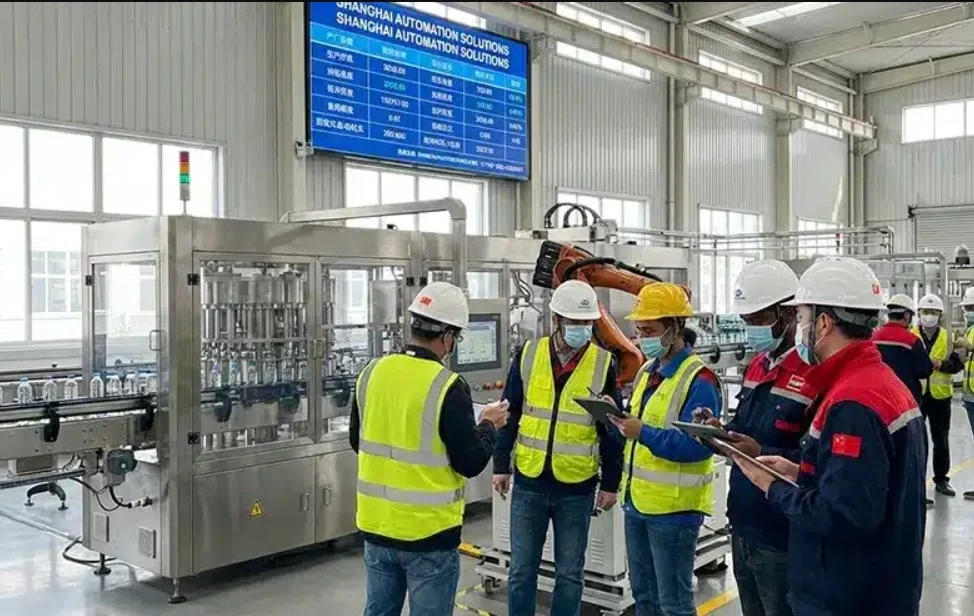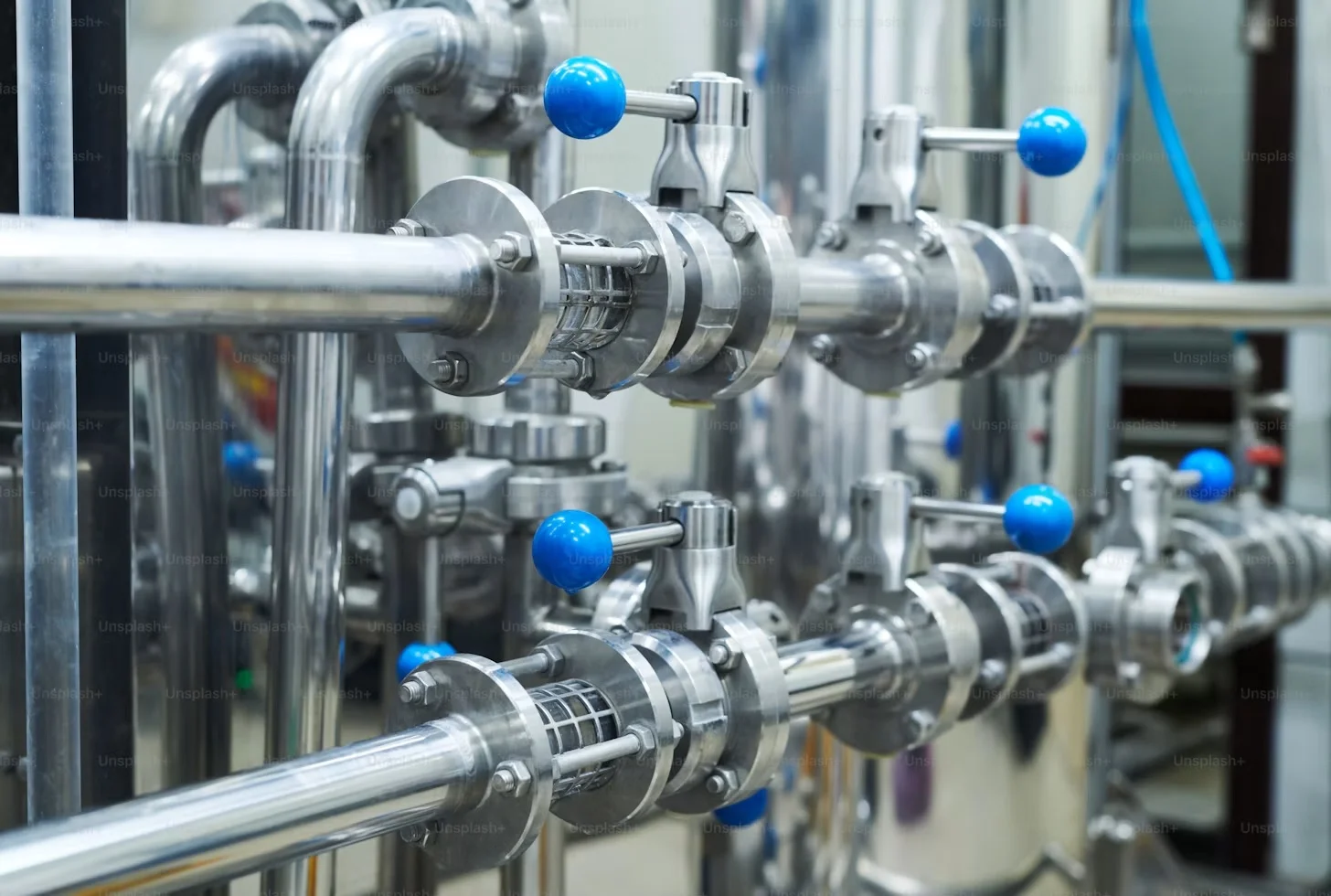


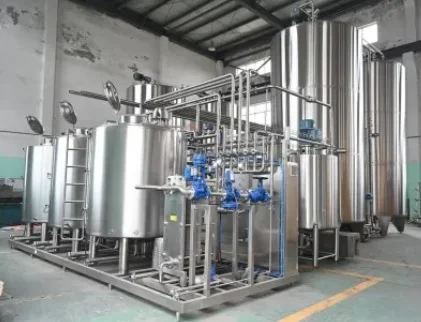
Cleaning-in-Place (CIP) is an indispensable core system for modern food and beverage production. It enables automatic, thorough cleaning and sterilization of pipelines, filling machines, tanks and processing equipment without dismantling any parts. For tea drinks, energy drinks, juice and other functional beverages with easy-residue, easy-oxidation and bacteria-prone characteristics, a professional CIP system directly determines product safety, taste consistency and qualified shelf life. As a professional turnkey beverage line manufacturer, we integrate customized CIP system design, precise matching, scientific layout and standardized installation into every production line project, solving common cleaning pain points of traditional beverage equipment.
What Is a Beverage-Grade CIP Cleaning System?
CIP (Cleaning-in-Place) is an automated circulating cleaning system that uses high-temperature water, alkaline liquid, acid liquid and sterile water to circulate and flush equipment interiors. Different from manual cleaning, it avoids secondary pollution, dead-corner residue and inconsistent cleaning standards. It covers the full-process cleaning of material tanks, conveying pipelines, filling hosts, sterilization equipment and auxiliary pipelines, fully complying with food GMP hygiene specifications.
Core Challenges of Traditional Cleaning & Ordinary CIP Systems
1. Incomplete cleaning with dead corners Unreasonable pipeline design and mismatched flushing pressure lead to residual tea stains, sugar stains and functional additive deposits, causing bacterial growth and batch product deterioration.
2. Poor system matching Most universal CIP systems cannot adapt to high-viscosity and foamy beverage materials, resulting in insufficient cleaning strength or long cleaning cycles that affect production efficiency.
3. Manual operation errors Non-intelligent traditional CIP equipment relies on manual parameter adjustment, leading to unstable cleaning temperature, concentration and time, and inconsistent sanitation standards.
4. Waste of water and energy Unoptimized circulating structure causes excessive water consumption, power consumption and chemical agent waste, increasing long-term operating costs for factories.
Our Advantages in CIP System Design, Configuration & Installation
1. Customized CIP Configuration for Different Beverage Processes We do not adopt one-size-fits-all standard CIP units. According to customers’ production types (tea, energy drink, juice, carbonated drink) and line capacity, we configure independent single-stage or two-stage CIP circulating systems. For tea and energy drinks prone to organic residue, we optimize alkaline cleaning circulation frequency and flushing pressure; for high-viscosity juice materials, we enhance flow velocity and pipeline scour strength to ensure zero residue cleaning effect.
2. Integrated Pipeline & Dead-Corner-Free Design Our core design advantage lies in synchronous optimization of the whole-line process and CIP system. During the early factory layout and equipment piping design stage, we adopt arc transition, short-distance conveying and rational branch valve layout. The entire pipeline eliminates cleaning dead corners, avoiding material accumulation and cross-contamination. All sanitary interfaces and valve fittings are self-produced and perfectly matched with filling and processing equipment, far more professional than post-installed universal CIP systems.
3. Intelligent Automatic Circulating Cleaning Control Equipped with independent PLC intelligent control system, our CIP device supports automatic temperature control, liquid concentration monitoring, timed circulation and automatic liquid replenishment. Multiple cleaning procedures (pre-flushing, alkali washing, acid washing, sterile water final flushing) can be preset according to production formulas. The system runs automatically with one key, realizing standardized and unmanned cleaning, effectively avoiding manual operation errors.
4. Energy-Saving Circulating Structure & Low Operation Cost We adopt optimized closed circulating recovery design. Cleaning liquid can be recycled after filtration and purification, greatly reducing water, electricity and detergent consumption. The precise temperature heating system avoids ineffective heat loss. While ensuring cleaning and sterilization standards, it effectively reduces long-term factory operating costs.
5. Professional On-Site Installation & Whole-Line Debugging As a full-line turnkey manufacturer, we realize synchronous design, installation and commissioning of CIP system and production line. We provide early-stage CAD pipeline layout planning, standard sanitary piping construction and whole-line linkage debugging. Our engineers verify the flushing effect, circulation speed and sterilization standards on site to ensure the CIP system perfectly matches the production rhythm. We also provide professional operational training for daily cleaning, parameter adjustment and equipment maintenance.
6. Full-Cycle After-Sales Guarantee We provide 12-month full equipment warranty and lifelong technical support for the CIP system. Remote fault diagnosis, parameter optimization guidance and original accessory supply ensure the long-term stable and efficient operation of the cleaning system, helping customers maintain consistent product hygiene quality.
Summary
The CIP system is not a simple auxiliary device, but a key guarantee for beverage product safety and stable mass production. Excellent cleaning effect depends on professional customized configuration, dead-corner-free pipeline design and precise whole-line matching. With mature process design capability, standardized installation and commissioning system, we provide integrated CIP cleaning solutions for various beverage production lines, helping customers achieve hygienic, efficient, energy-saving and standardized production.
Winnie Lau
Engineer, PengXiang
⚠ Bio to be added — 2–3 sentences suggested: years in the industry, process specialities, representative projects. A named engineer is a far stronger E-E-A-T signal than "Engineering Team", and it is one of the things AI search uses to judge how authoritative the content is.