Get a Quote
Water Treatment System
Equipment Category

Water Treatment System

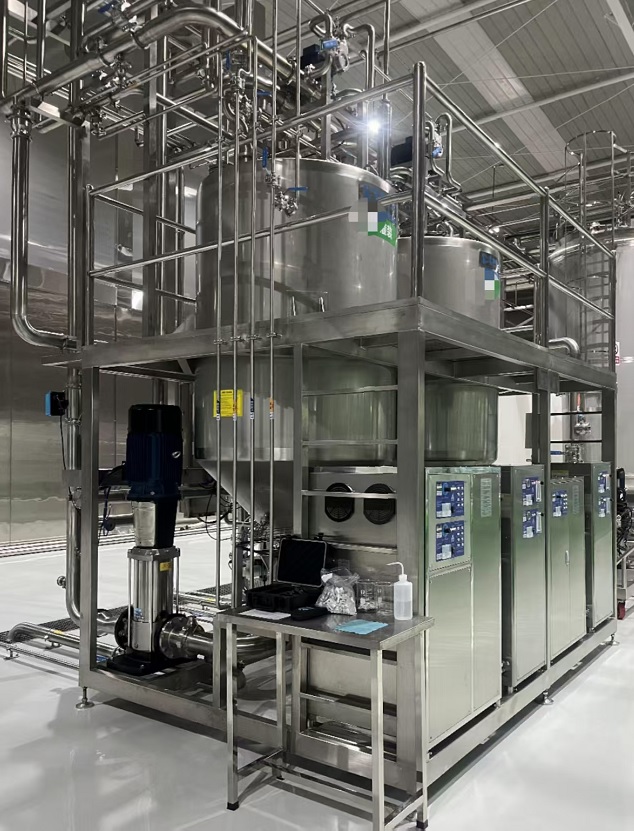
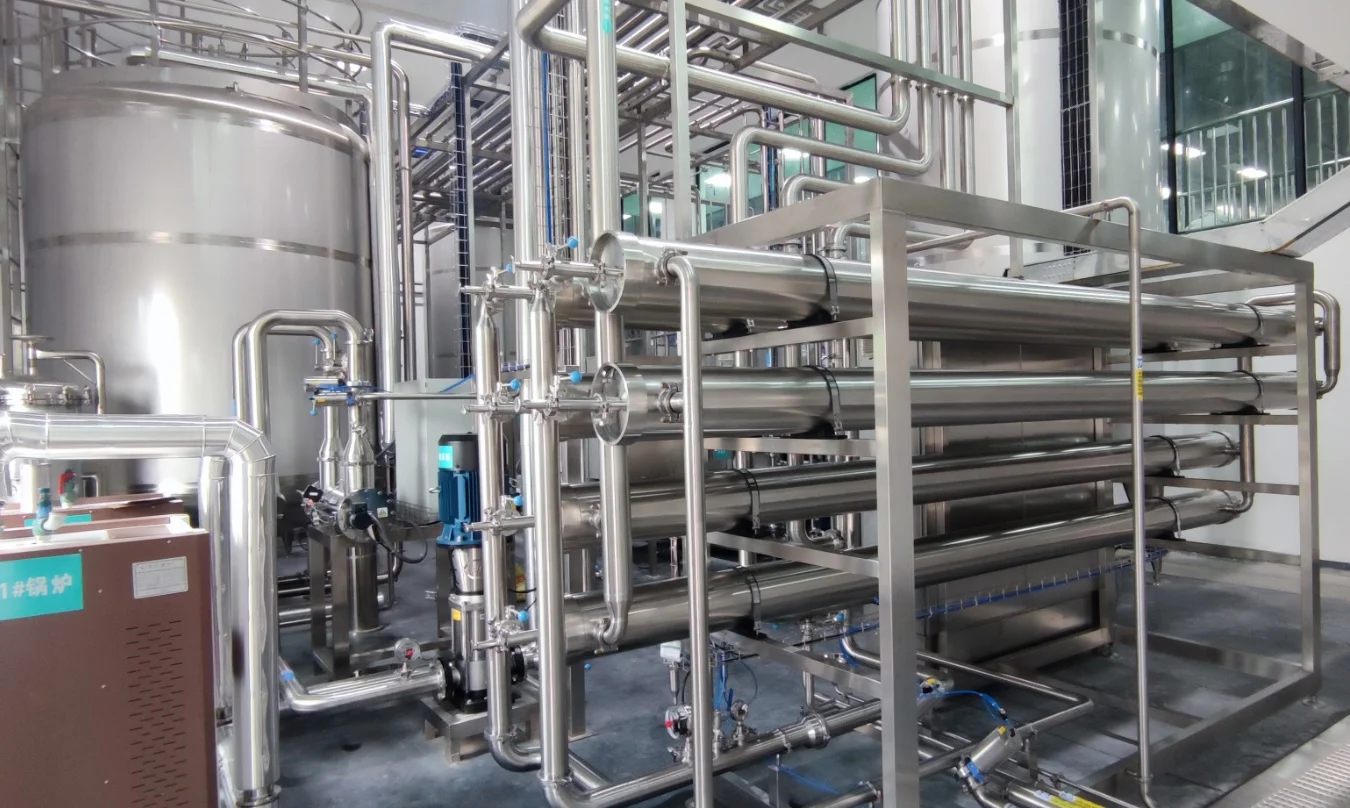
Filtration, membrane separation, disinfection, softening, storage and clean-in-place. Sized from your laboratory water analysis and matched to filler consumption with headroom for CIP.

Where Water Treatment Sits in Your Line

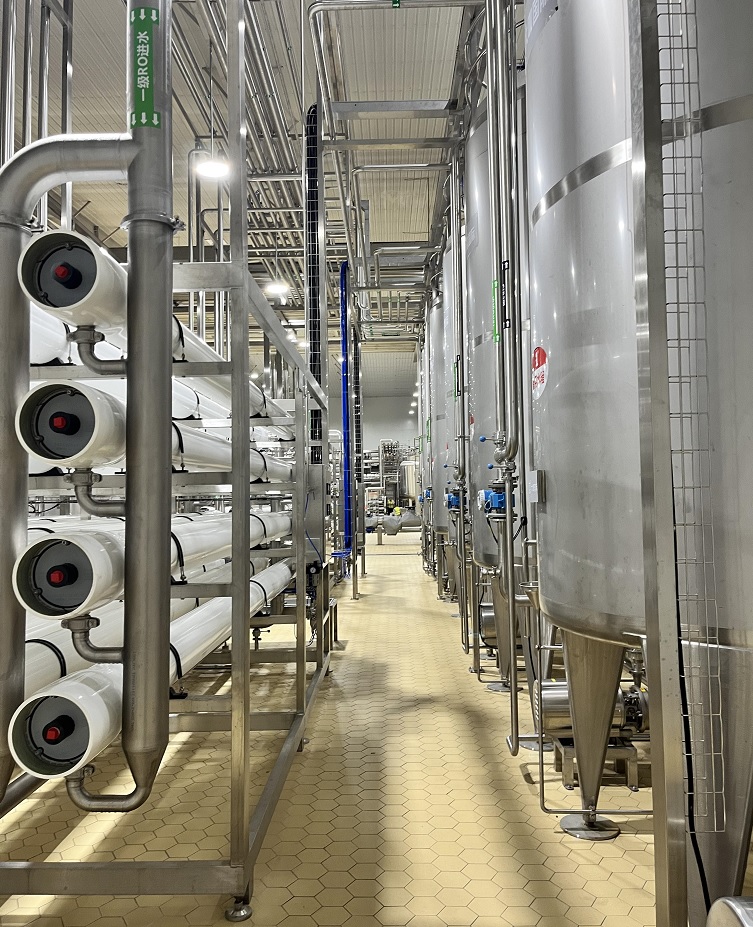
Water treatment is the first stage of every beverage line and the one that constrains everything downstream. Undersized treatment limits filler output; the wrong process gives water that fails product standards no matter how good the filler is. We size this section from a laboratory analysis of your actual source water, then match its hourly capacity to the filler with headroom for CIP and peak demand.

All Water Treatment System Machines

15 machines
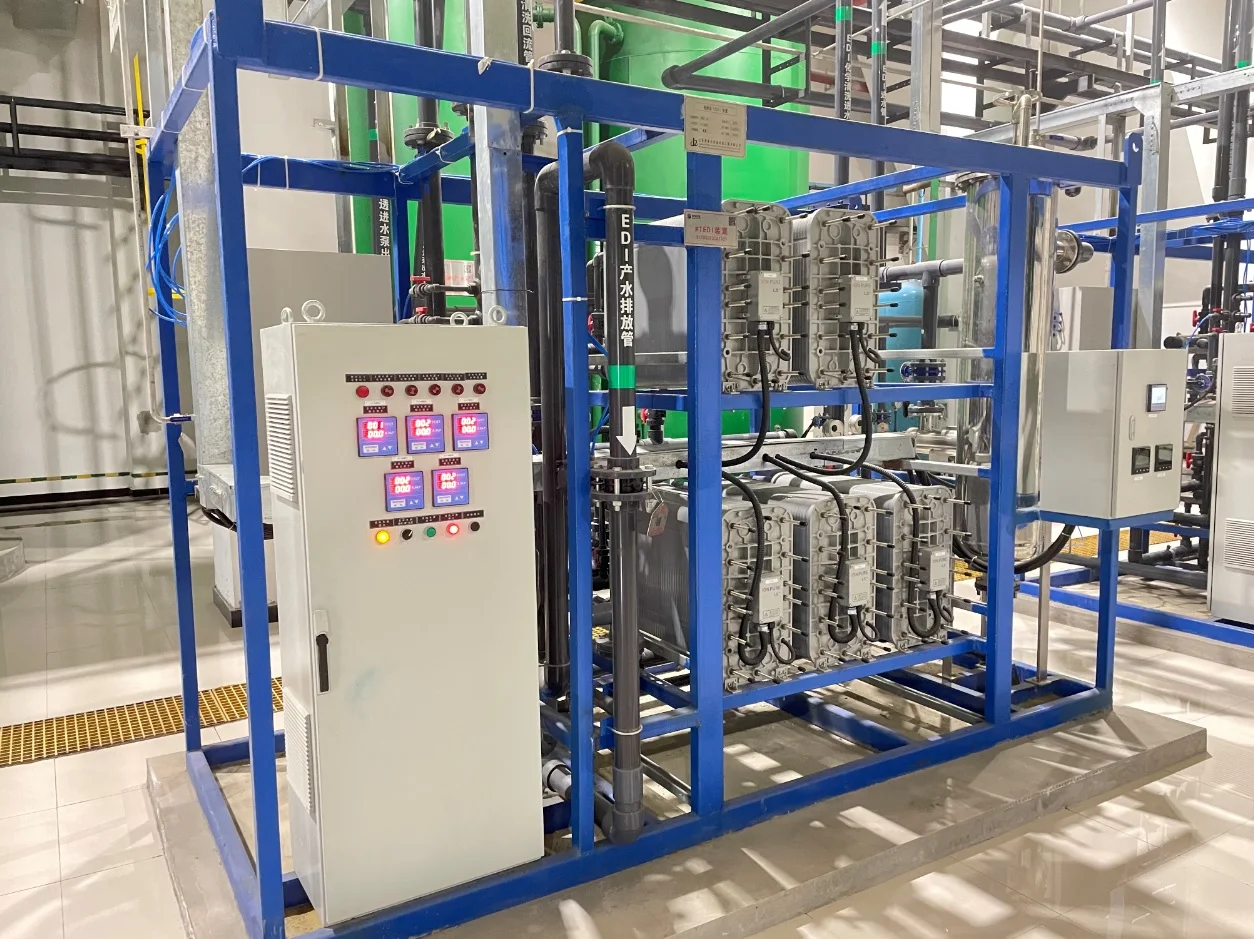
EDI System

EDI System

Electrodeionization(EDI) is usually considered as a water treatment technology that utilizes an electrode to ionize water molecules and separate dissolved ions (impurities) from water. The main difference from other water purification technologies is that it i...

No disassemblyAcid / alkali / hot waterHeat exchanger heating
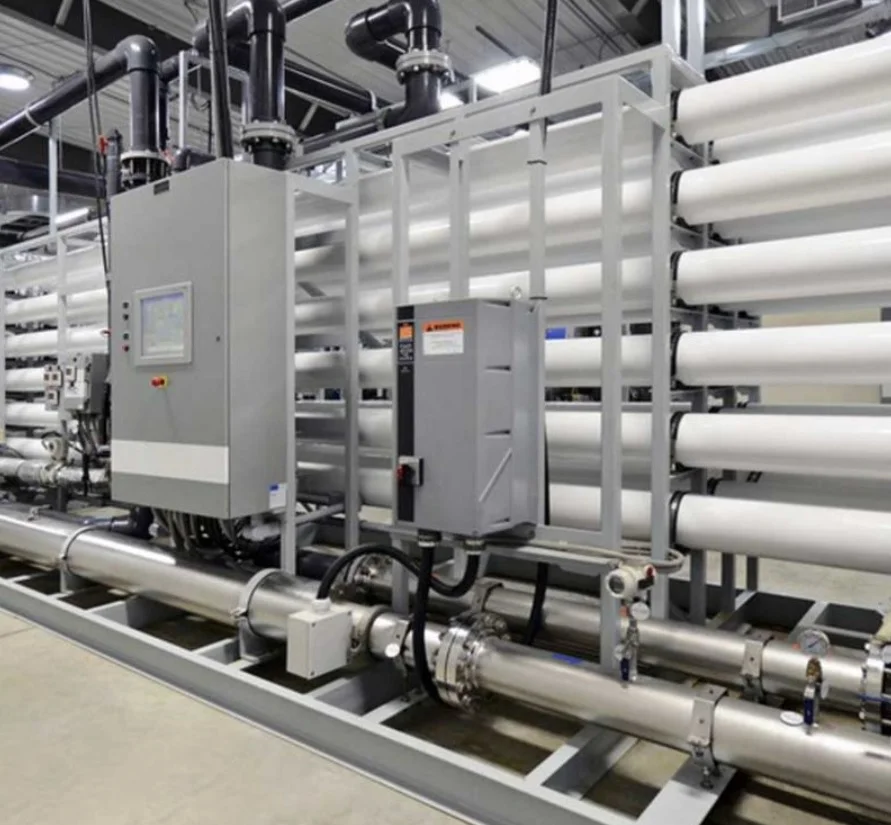
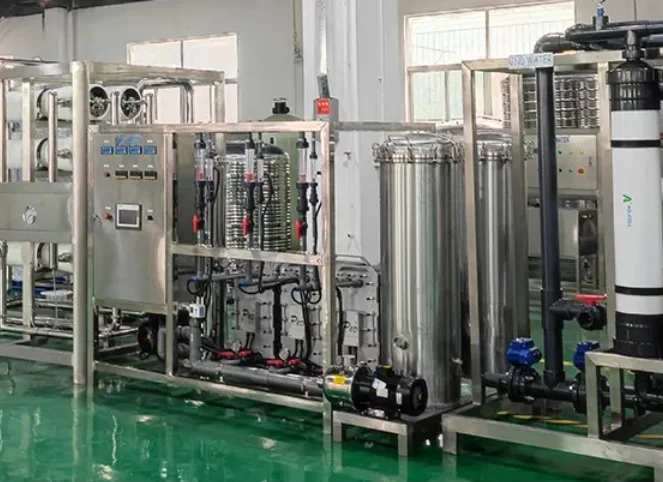
RO Water Treatment System

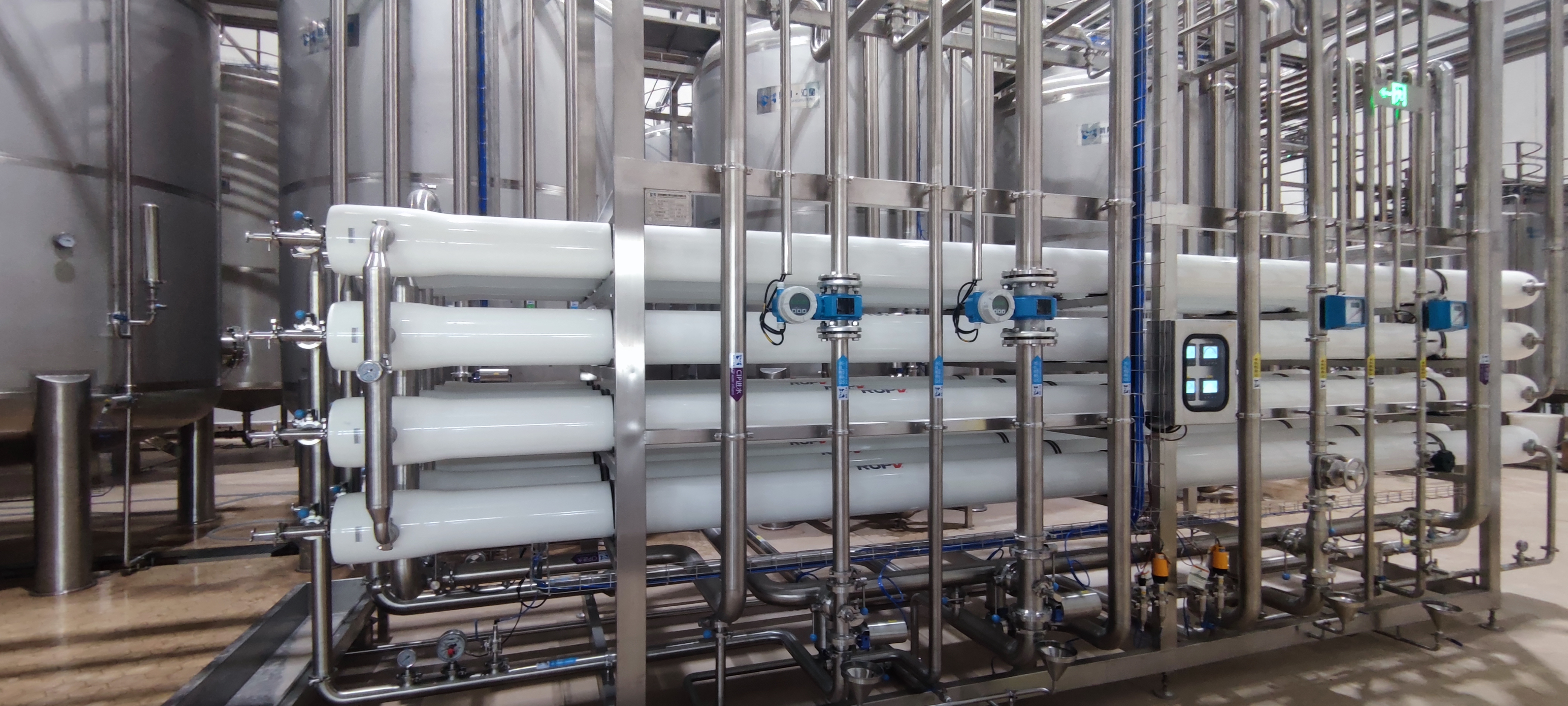
RO Water Treatment System

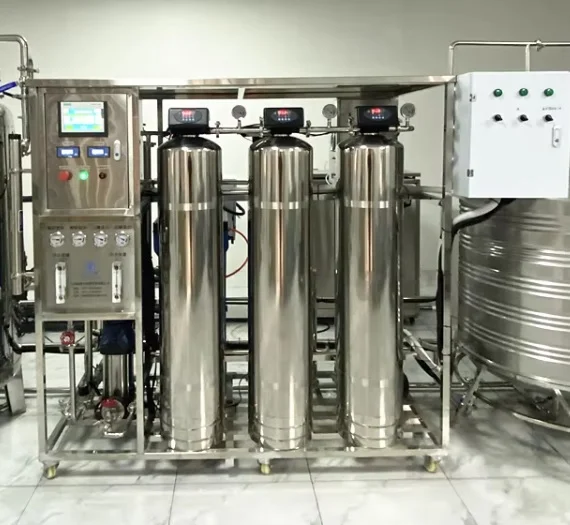
Pressure-driven membrane separation for beverage plants. When system pressure exceeds the osmotic pressure of the feed water, water molecules pass through the membrane while ions, organic matter, bacteria and viruses are retained and flushed to drain. Configur...

No disassemblyAcid / alkali / hot waterHeat exchanger heating
CIP System

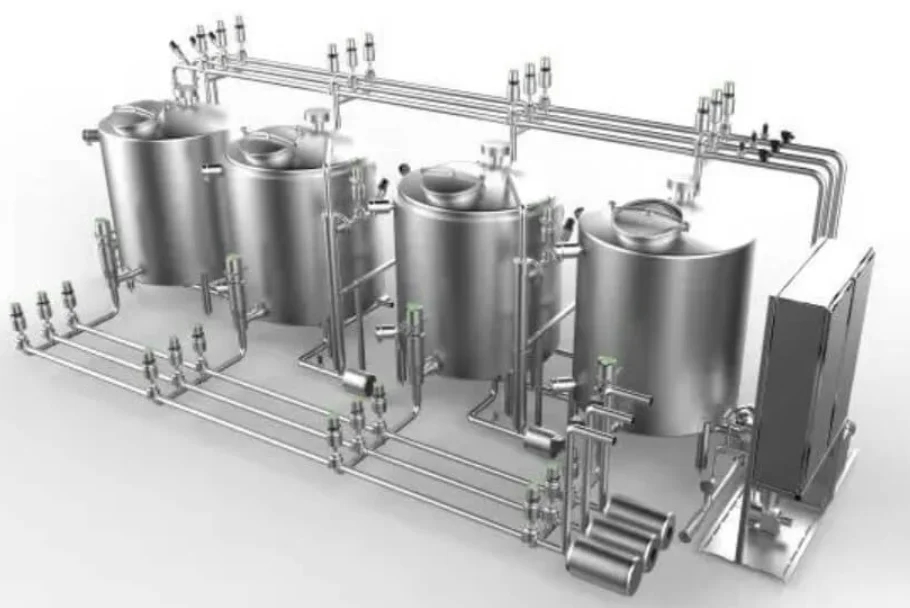
CIP System

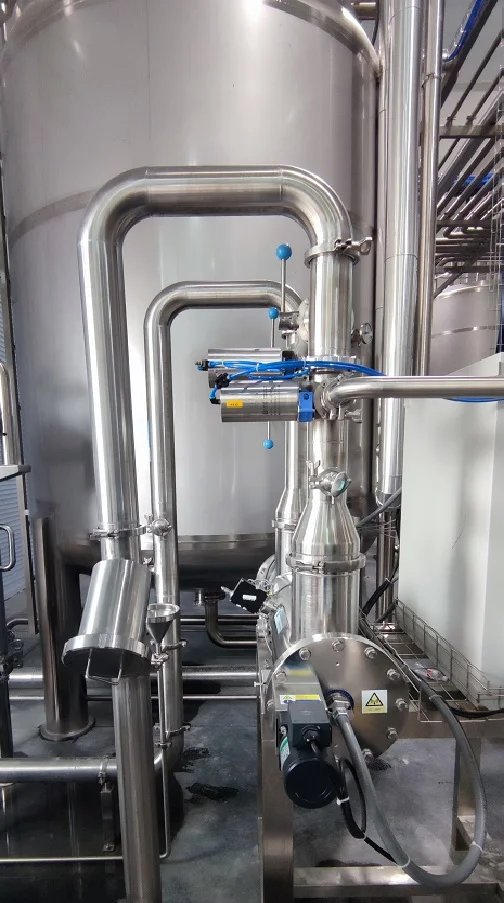
Cleans and sterilizes tanks, pipework and equipment in circulation without disassembly. A heat exchanger heats the cleaning solution to process temperature, and acid, alkali and heat act together as the pump flushes the circuit at high pressure.

No disassemblyAcid / alkali / hot waterHeat exchanger heating
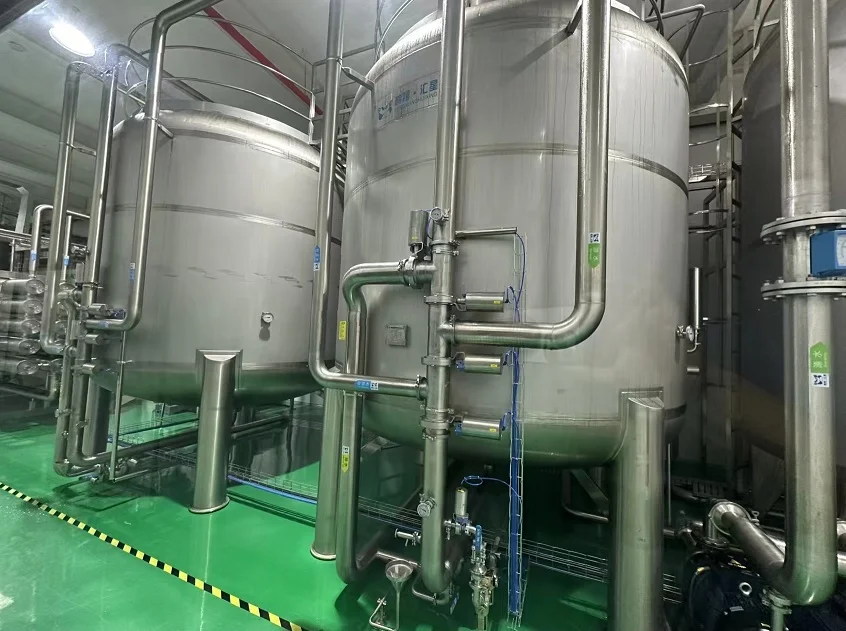
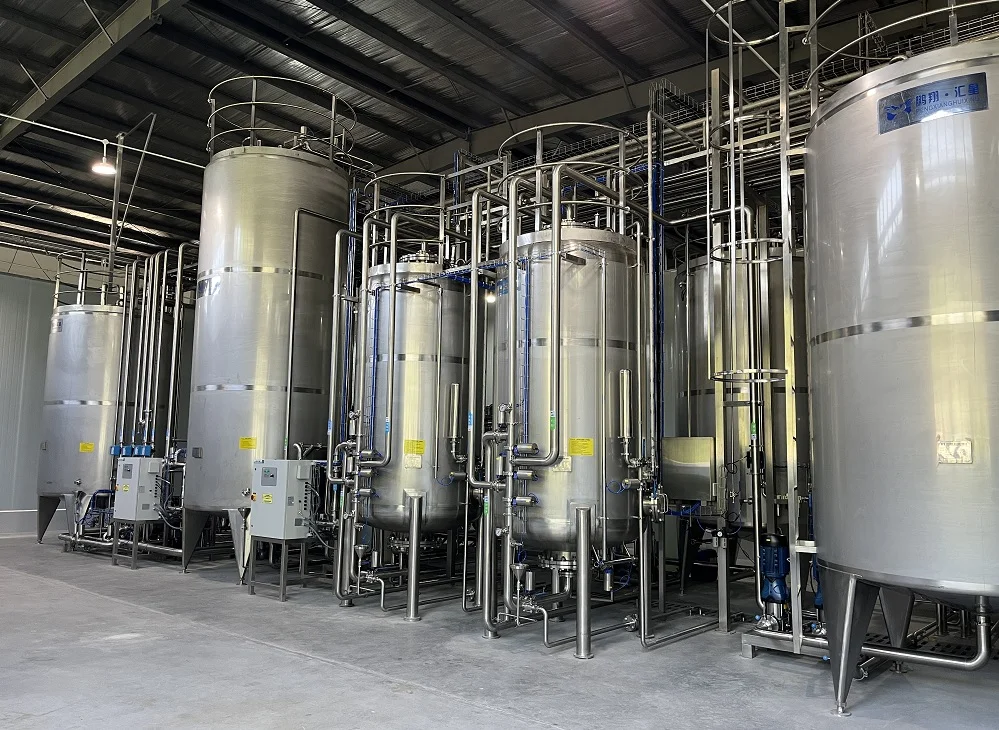
Stainless Steel Clean Water Tank

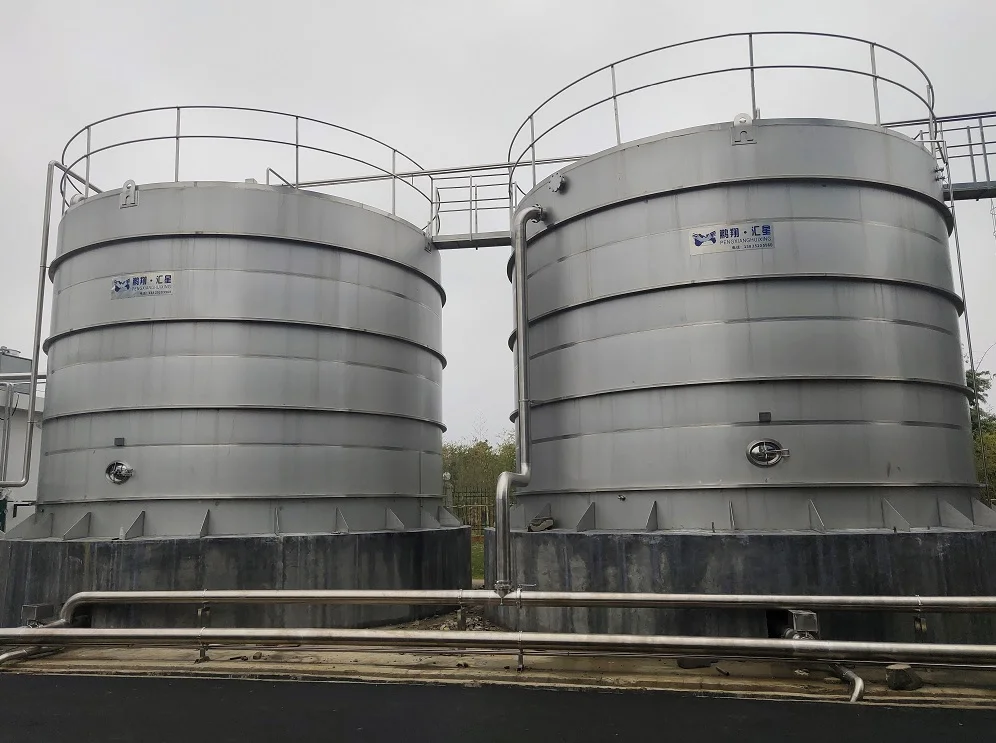
Stainless Steel Clean Water Tank

Built to ASME BPE biotech equipment standards and food container standard QB/T2681-2004. Specialist polishing keeps surface roughness below Ra 0.8 μm. Available in 304 or 316L, upright or horizontal, and designed to the customer's actual requirement. Our Stain...

0.5 T – 20 TSUS304 / SUS316LRa < 0.8 μmUpright or horizontal
Ozone Generator (Bromate Control System)

Ozone Generator (Bromate Control System)

A strong oxidant and disinfectant that reacts quickly, leaves no persistent residue and causes no secondary pollution. Performance is best between pH 5.6 and 9.8 at water temperatures of 0–27°C. Ozone is generated from air or oxygen by high-frequency disc

pH 5.6–9.80–27°CAir or oxygen feedBromate control
UV Disinfection Device

UV Disinfection Device

Chemical-free microbial control for drinking water, purified water, beverage process water and pharmaceutical water, as well as circulating and reclaimed water systems. Adds no taste, odour or by-products.

Chemical-freeNo by-productsInline installation
Ion Exchange System

Ion Exchange System

Anion and cation resins replace one or more ions in the water to reduce hardness and achieve desalination, used where source hardness would otherwise scale downstream membranes and heat exchangers.

SofteningDesalinationAnion / cation resin
Water Treatment System Equipment and Accessories

Membrane Module & Micro Filter Cartridge

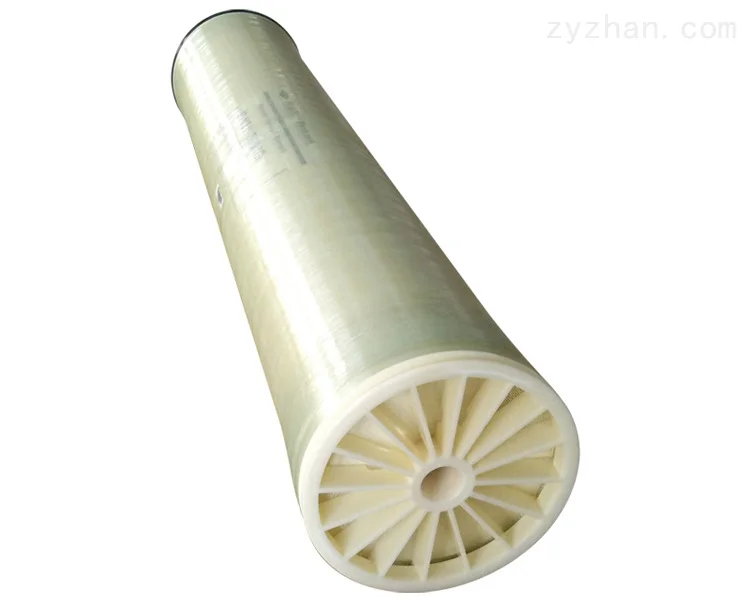
Membrane Module The membrane module imported from the US: Premium qualities, longer life span Quality product water, high water flux The module is the key part of instruments for brackish water treating, ultra-pure water, drinking purifies water, food

Integrated skidPressure-drivenConfigurable stages
Nanofiltration System

Nanofiltration system

Nanofiltration System Nanofiltration is a relatively recent membrane filtration process used most often with low total dissolved solids water such as surface water and fresh groundwater, with the purpose of softening (polyvalent cation removal) and removal of ...

Selective separationSofteningPartial mineral retention
Spiral‑wound Ultrafiltration Equipment

Spiral‑wound Ultrafiltration Equipment

A purely physical separation process needing no additional pretreatment. The rolled membrane structure is solid and leak-resistant, with PES membranes offering high chemical stability and broad CIP tolerance for full performance recovery after cleaning.

MWCO 10000PES membraneBroad CIP tolerance
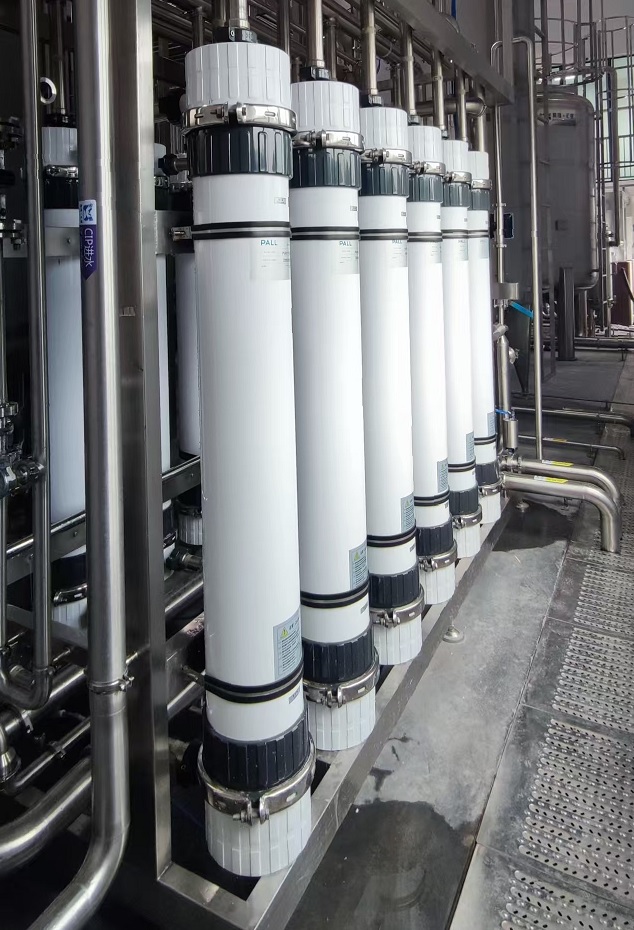
Hollow Fibre Ultrafiltration Equipment

Hollow Fibre Ultrafiltration Equipment

Ultrafiltration can intercepts macromolecules and impurities between 0.002 and 0.1 micron. Small molecules and dissolved inorganic salts pass through, while colloids, proteins, microorganisms and macromolecular organics are retained.

0.002–0.1 μmOperating pressure 1–7 barRetains minerals
Reverse Osmosis System

Industrial RO Water Treatment System

Pressure-driven membrane separation for beverage plants. Water molecules pass through the membrane while ions, organic matter, bacteria and viruses are retained and flushed to drain. Configured from your raw-water analysis rather than a fixed model.

Membrane separationSingle or double passSUS304 / SUS316PLC control option
Precision Filter (Micron Filter)

Precision Filter (Security Filter)

The cylinder shell are generally made of stainless steel, inside we use PP melt-blowing, wire burning, folding, titanium filter, activated carbon filters and other tubular filter as a filter elements, and depends on the different filter media and design proces...

PretreatmentStainless steel shellCartridge selectable
Sand Filter and Carbon Filter

Sand Filter and Activated Carbon Filter

These two types of filter adopt different types of filtering media (Quartz Sand, Manganese, Magnetite, Anthracite and Activated Carbon) to treat raw water to effectively purify and remove suspended solid pollutants, residual CL-, impurities, and organics

PretreatmentChlorine removalProtects RO membranes
Multi-Media Filter

Multi-Media Filter

Layered quartz sand and manganese sand media intercept colloids, suspended solids and other impurities using the pores between filter beds. Low investment cost, simple operation and easy maintenance make it the standard first stage.

PretreatmentSS / carbon steel / FRPIron & manganese removal
Selection Guide

How to Specify a Water Treatment Train

Water treatment is not a shopping list. Each stage exists to protect the next one, and the sequence is decided by what is actually in your source water.

Start from the laboratory analysis

Turbidity, hardness, total dissolved solids, iron, manganese, chloride and microbiological counts each pull the design in a different direction. A recent analysis of the actual source — not a regional average — is the single document that makes an accurate proposal possible.

Match the product standard, not the maximum spec

Purified water needs reverse osmosis. Natural mineral water must retain its dissolved minerals, so ultrafiltration is used instead and RO would actually put the product out of standard. Buying the "strongest" process can be the wrong process.

Size for filler capacity plus headroom

Treated-water output must exceed the filler's hourly consumption, with margin for CIP cycles, membrane flushing and peak demand. Sizing treatment exactly to filler speed means the line runs dry during cleaning.

Protect the membranes

Multi-media and activated carbon filtration and precision cartridges exist to keep suspended solids and residual chlorine away from RO and UF membranes. Skipping pretreatment to save capital cost shortens membrane life and raises operating cost permanently.

Choose disinfection by product and market

UV is chemical-free and leaves nothing behind. Ozone gives residual protection in the tank and bottle but requires bromate control where the source contains bromide. Many plants use both at different points in the circuit.

Specify contact materials early

SUS304 covers most beverage applications. SUS316L is specified where chloride content, hygiene standard or an export market's process requirement calls for it. Changing material after fabrication starts is expensive.

Process Comparison

Which Separation Process Fits Your Source?

Indicative comparison. Final process selection follows laboratory analysis of your source water.
Process Removes Retains minerals Typical use Pretreatment needed
Reverse osmosis Dissolved salts, organics, bacteria, viruses No Purified bottled water, process water Yes — carbon + precision filtration
Ultrafiltration Colloids, proteins, microorganisms, macromolecules Yes Natural mineral and spring water Light — media filtration
Nanofiltration Multivalent cations, DBPs, organic compounds Partly Softening surface and groundwater Yes
Ion exchange Hardness ions, dissolved salts No Softening ahead of membranes or boilers Light
Category FAQ

Water Treatment System Questions

Specific to this equipment category. Line-level questions are answered on the solution pages.

Ask Our Engineers
What information do you need to size a water treatment system?

A recent raw-water analysis, the treated-water quality you need to reach, hourly capacity, daily operating hours, target recovery rate, destination country and the utilities available on site. Without the analysis, any proposal is an estimate.

Can the treatment system connect to an existing filling line?

Yes. The system is engineered with treated-water storage, distribution pipework, disinfection and controls so it can be tied into existing beverage processing or filling equipment, provided capacity and connection points are confirmed first.

Is SUS304 or SUS316L used for contact parts?

Either. Material is selected according to water chemistry, hygiene requirement, process standard and project budget. SUS304 covers most beverage applications; SUS316L is specified where chloride content or the market's process standard requires it.

Do I need both UV and ozone?

Many plants use both at different points. UV is typically installed inline before filling for chemical-free control, while ozone provides residual protection in the storage tank and finished bottle. Where the source contains bromide, ozone dosing must be managed for bromate control.

How much treated-water capacity should I install?

More than the filler consumes. Allowance is needed for CIP cycles, membrane flushing, product changeover and peak demand, so treatment is normally sized above nominal filler consumption rather than matched exactly to it.

Need Specifications or Pricing?

Tell us the equipment, capacity and application. Our engineers will return specifications and a budgetary quotation.

Request a Quotation WhatsApp an Engineer
YouTube