

CIP System
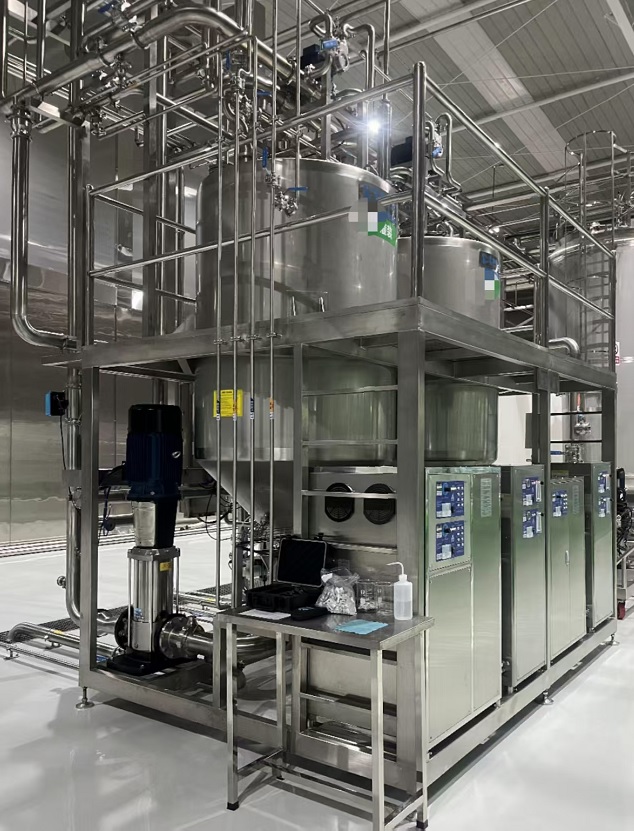
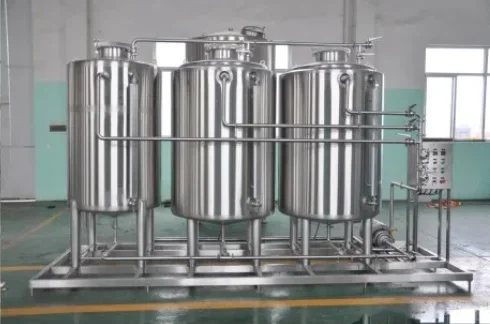
This is a high‑performance stainless‑steel sanitary solution complying with ASME codes, designed for small‑to‑medium‑scale food, beverage and pharmaceutical production lines. This automated system delivers precise cleaning for pipelines, tanks and processing equipment while minimizing consumption of water, energy and chemicals
Product Characteristics
| Material & Compliance | SUS316L stainless steel construction (Ra<0.8μm finish) meets FDA/3-A/CE standards for food contact surfaces. ASME BPVC Section VIII certification ensures pressure safety (up to 6 bar). |
|---|---|
| Smart Automation | Programmable PLC/HMI controls cycle parameters (time, temperature, concentration) with real-time monitoring of TDS (total dissolved solids) and flow rates |
| Energy Efficiency | Heat recovery module reduces steam usage by 30%, coupled with variable-frequency pumps to optimize water/chemical consumption |
| Multi-Function CIP/SIP | Supports acid/alkaline cleaning, hot water sanitization (85°C+), and steam sterilization (optional SIP mode) |
| Compact Design | Space-saving single-vessel configuration (1000L capacity) ideal for limited facility footprints |
Scope of Supply
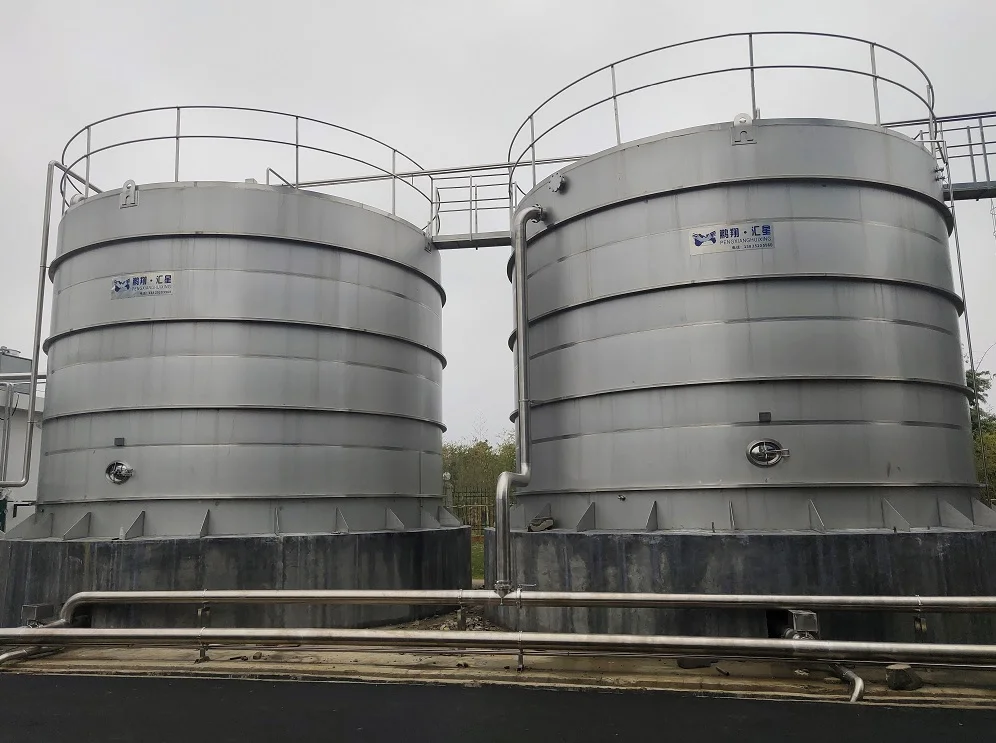
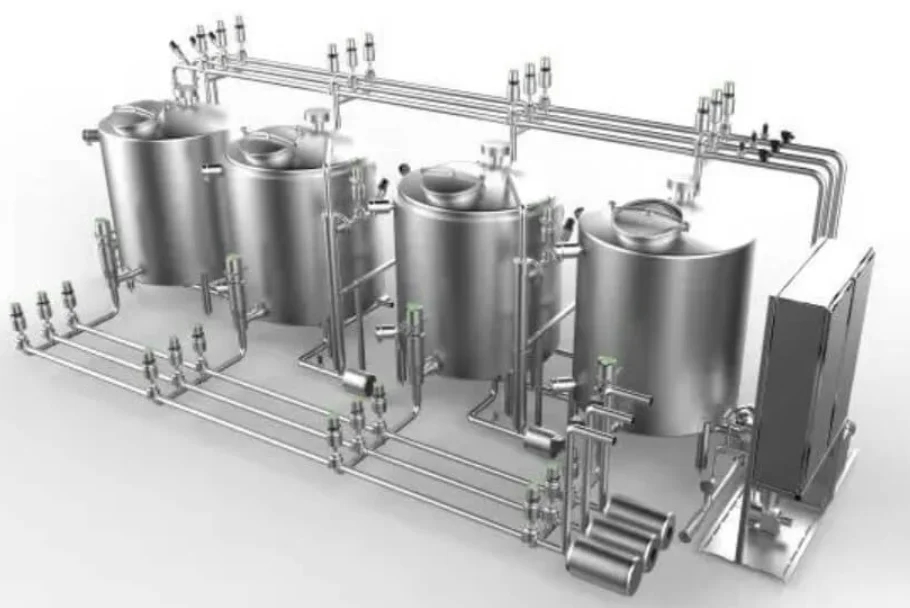
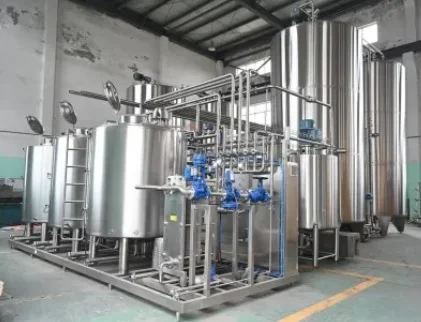
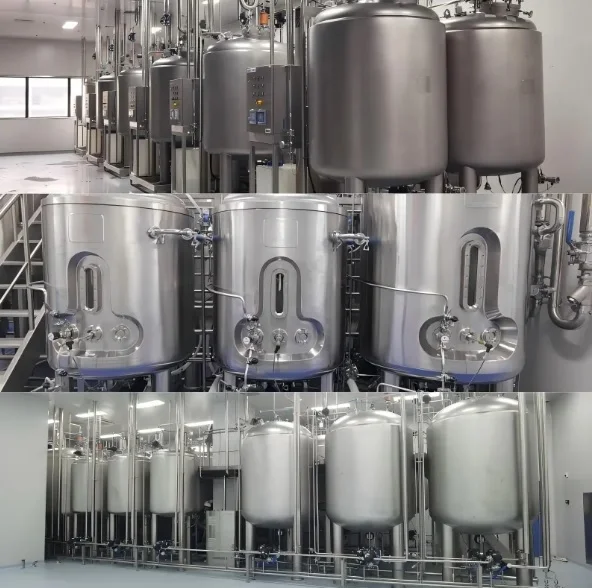
- 1. CIP Tanks- Acid tank, alkali tank and rinse water tank (3-tank configuration as standard; 1/2 tank available upon request) - Tank body: SUS316L wetted part; frame & support: SUS304 - Tank accessories: manhole, sight glass, liquid level transmitter, overflow port, drain port, vent port, anti-rotating baffle
- 2. CIP Circulation Pumps- Centrifugal circulation pump for cleaning solution - Wetted material: SUS316L - Motor, mechanical seal, base and coupling guard
- 3. Piping, Valves & Fittings- Process pipeline: SUS316L - Pneumatic diaphragm / ball valves, manual valves, check valves, filters, elbows, tees, reducers, gaskets and pipe supports - Valve control accessories: solenoid valve, air filter regulator
- 4. Heating Unit- Electric heater or steam heat exchanger (as per client selection) - Temperature sensor, thermal resistance / PT100, over-temperature protection device
- 5. Online Measuring & Instrumentation- Online conductivity meter (for cleaning concentration monitoring) - Temperature transmitter - Pressure gauge / pressure transmitter - Flow meter - Local instrument panel
- 6. Control System- PLC + Touch screen HMI - Control cabinet (SUS304 cabinet) - Power components, relay, circuit breaker, cable, cable tray & wiring - Pre-programmed cleaning recipes: pre-rinse → alkali circulation → intermediate rinse → acid circulation → final rinse - Interlock protection: low liquid level, over-temperature, pump overload
- 7. Skid Base & Accessories- SUS304 integrated skid base - Lifting lugs for loading & unloading
- 8. Factory Test & Documentation- Factory assembly inspection and cold running test - Test report, P&ID drawing, general arrangement drawing, operation & maintenance manual - Material certificate for stainless steel, CE / ISO documents (if required)
Frequently Asked Questions
What is CIP System?
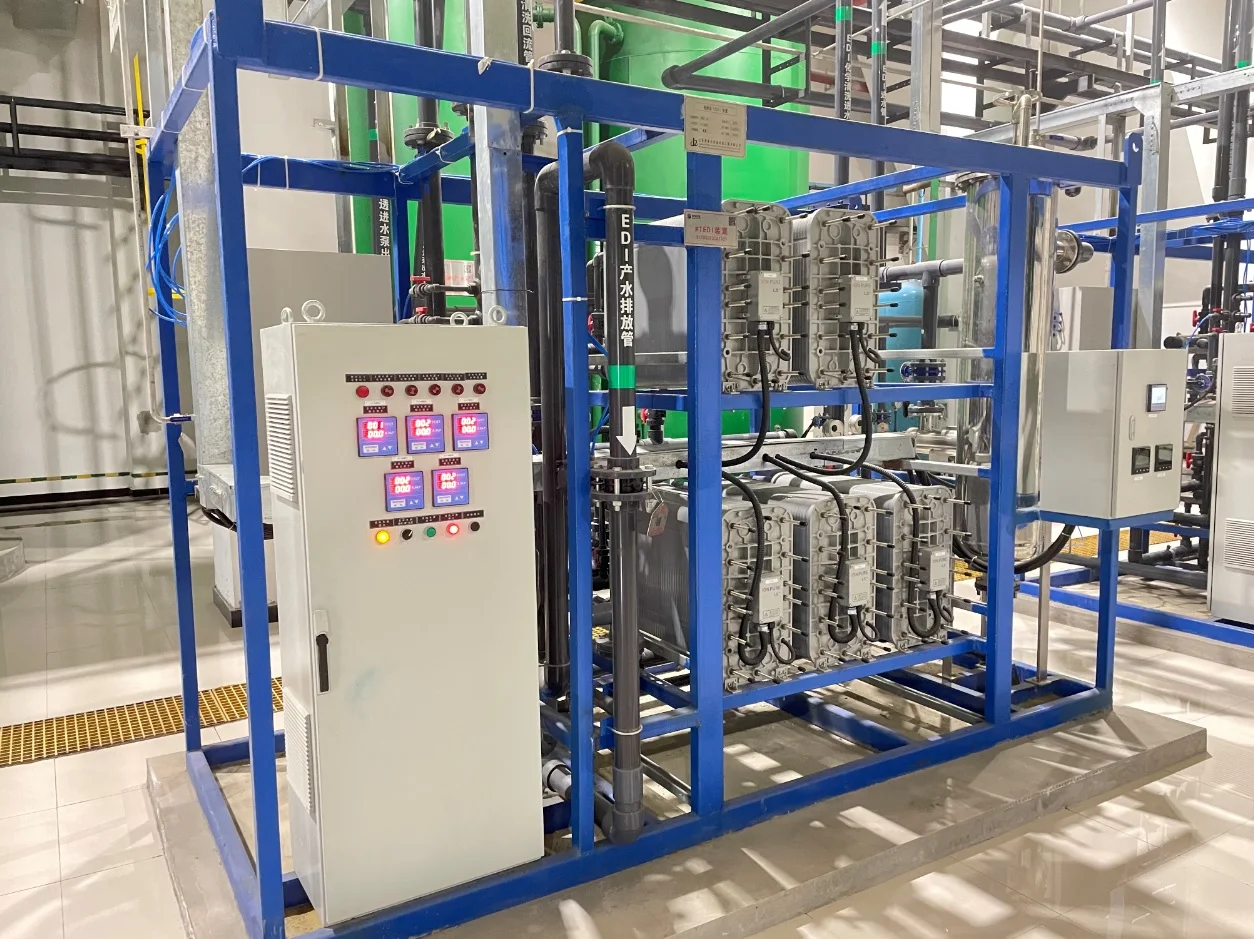
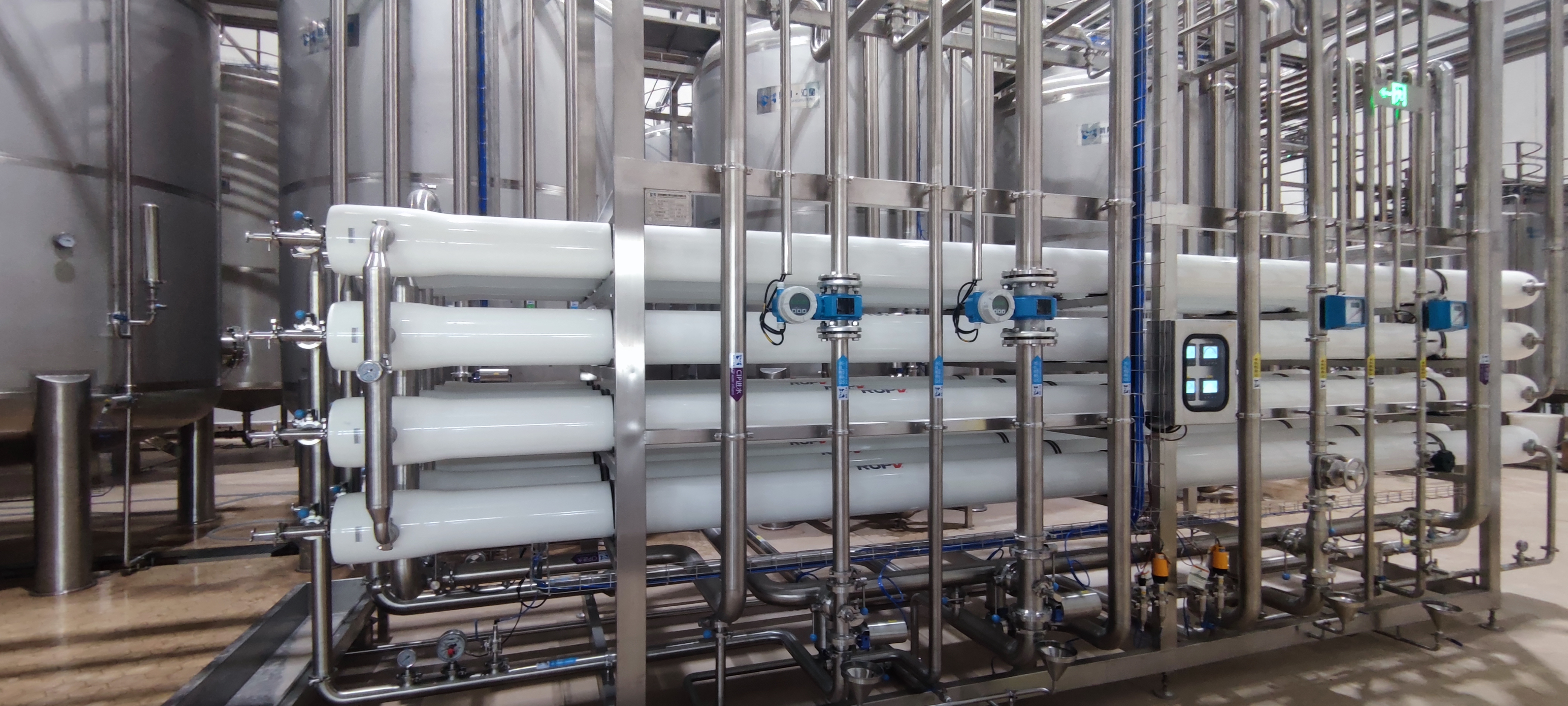
CIP (Clean-in-Place) system is an automatic on-site cleaning unit. It cleans pipelines, tanks, RO/EDI membranes, filling machines and process circuits without dismantling equipment
What equipment can CIP clean?
It is widely used for RO membrane, EDI stack, water storage tanks, pipelines, heat exchangers, and beverage / water filling monoblock machines
What are standard tank configurations for CIP system?
- 1-tank: simple rinse & cleaning for small loop - 2-tank: alkali tank + rinse tank - 3-tank: alkali tank, acid tank, rinse water tank (most popular for water treatment line)
What cleaning chemicals are commonly used?
Sodium hydroxide (NaOH) for alkaline cleaning to remove organic fouling; nitric acid or citric acid for acid cleaning to remove inorganic scaling.
What is the typical cleaning temperature range?
Alkaline cleaning: 60~80℃; Acid cleaning: 40~60℃. Temperature can be customized according to cleaned equipment material.
What heating options are available?
Electric heating or steam heating. Steam heating is more cost-effective for large capacity systems.
What material for wetted parts of CIP system?
Wetted parts: SUS316L stainless steel (recommended for acid & alkali). Machine frame: SUS304 stainless steel.
What is the function of conductivity sensor?
Online conductivity meter monitors chemical concentration in cleaning solution, to judge cleaning effect and automatic discharge/chemical replenishment.
Can CIP run automatically?
Yes. PLC + touch screen automatic control supports preset cleaning recipes: pre-rinse → alkali circulation → intermediate rinse → acid circulation → final rinse. Manual control version is available for small CIP skid.
How many cleaning circuits can one CIP system serve?
One CIP station can serve multiple cleaning loops by manual valve switching or automatic pneumatic valve switching.
What is the power supply requirement?
Standard: 380V / 3Ph /50Hz. We can adjust electrical components to match local voltage and frequency
What routine maintenance is required?
1. Inspect pump, valves and seals regularly. 2. Calibrate conductivity & temperature sensors periodically. 3. Check tank corrosion and pipeline leakage. 4. Replace seals and gaskets when aging.
What certificates can you provide?
CE, ISO9001, stainless steel material certificates. We also supply CO, commercial invoice and packing list for customs clearance.
What is the warranty period?
12 months warranty from shipment date (consumables such as gaskets, seals, sensors excluded). Lifetime technical support.
Send Your Requirements
- Which equipment will be cleaned by this CIP unit? — □ RO system □ EDI system □ Water tank □ Pipeline □ Filling machine □ Others: ________________ Number of cleaning circuits: ____ sets
- Required CIP flow rate — Circulation flow rate for each cleaning loop: ____ m³/h
- CIP Tank Volume — Required tank capacity: ____ m³ □ Single tank □ 2-tank (alkali + acid) □ 3-tank (alkali, acid, rinse water)
- Cleaning Medium & Concentration — - Alkali solution: □ NaOH, target concentration: ____ % - Acid solution: □ HNO₃ / Citric acid, target concentration: ____ %
- Cleaning temperature requirement — Max heating temperature: ____ ℃ Heating method: □ Steam heating □ Electric heating
- Working pressure requirement — CIP supply working pressure: ____ MPa
- Material requirement for wetted parts — Product contact parts: □ SUS304 □ SUS316L Frame: □ SUS304
- Power supply on site — __ V / __ Phase / __ Hz
- Control system requirement — □ PLC + Touch screen automatic control (auto timing, auto dosing, temperature control) □ Semi-automatic / Manual control □ Online conductivity monitor: □ Yes □ No □ Online temperature sensor: □ Yes □ No □ Flow & pressure interlock protection: □ Yes □ No
- Discharge requirement — Waste liquid discharge condition / limit: __________
- Site installation condition — Workshop available space: L____m × W____m Max allowable equipment height: ____ m
- Commercial & document requirement — Destination country: ________ Required certificates: □ CE □ ISO9001 □ Material Certificate Trade term: □ EXW □ FOB □ CIF □ CFR
Related Equipment