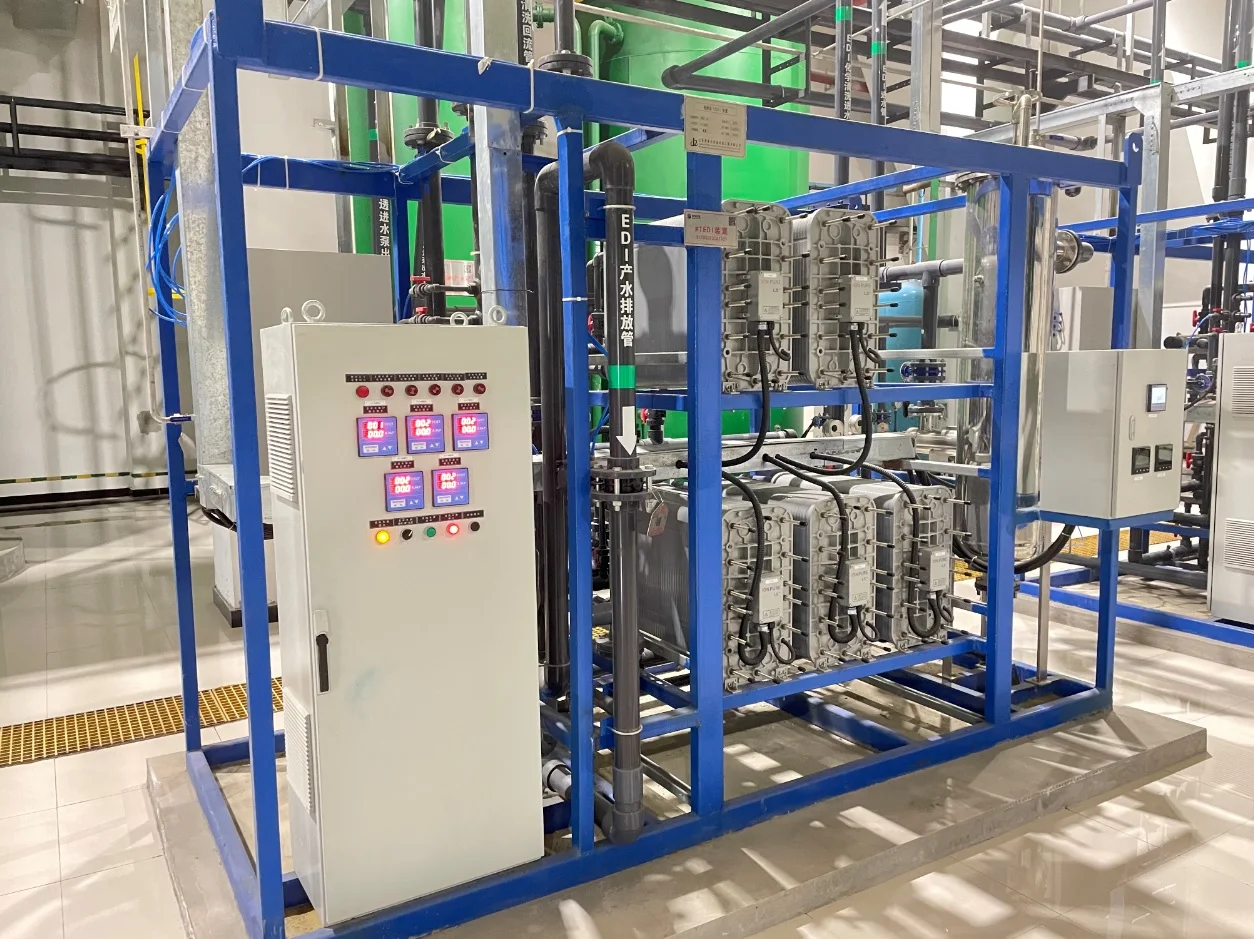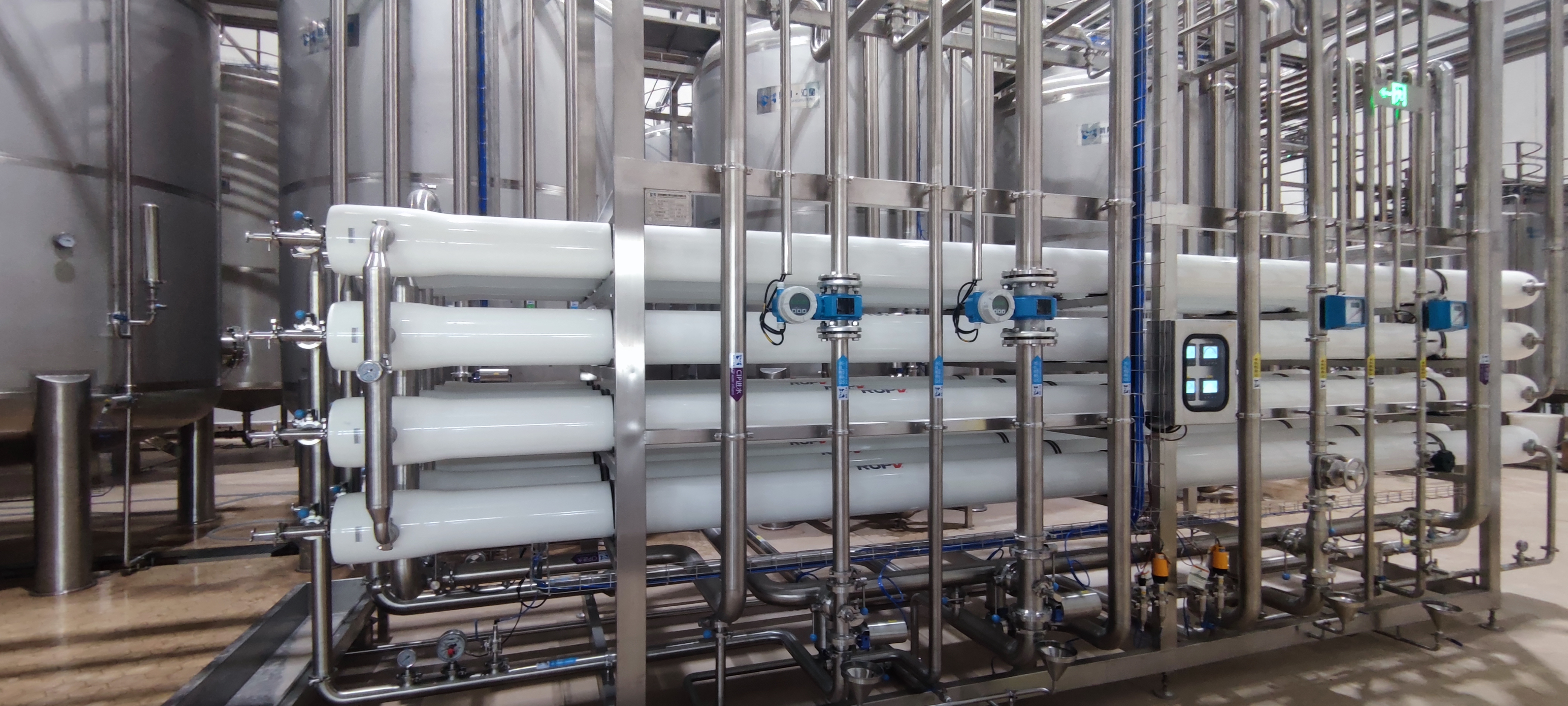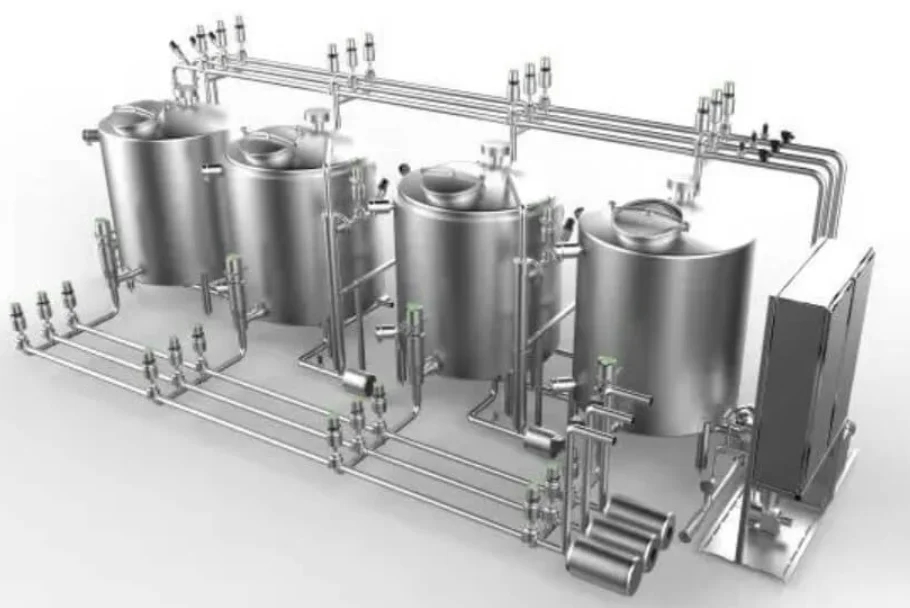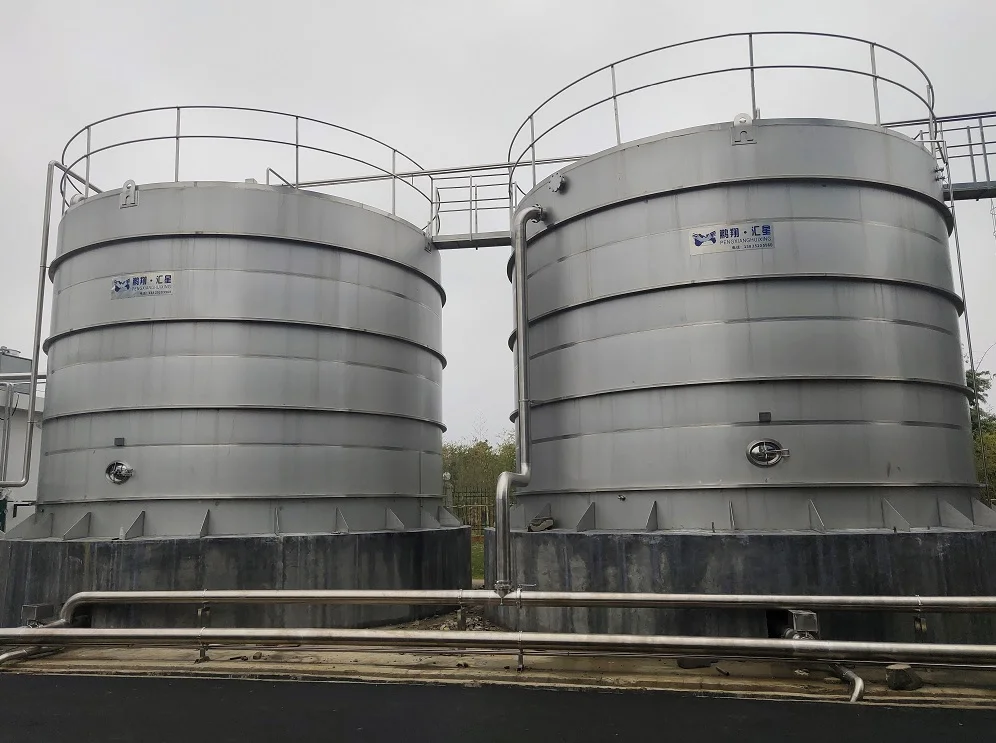


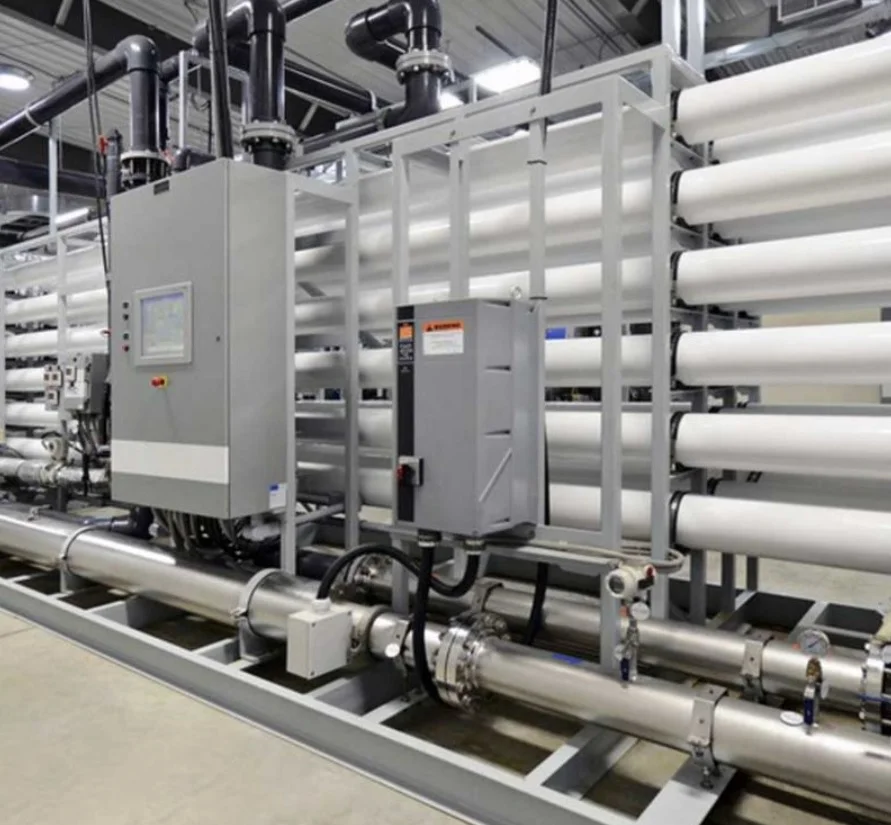
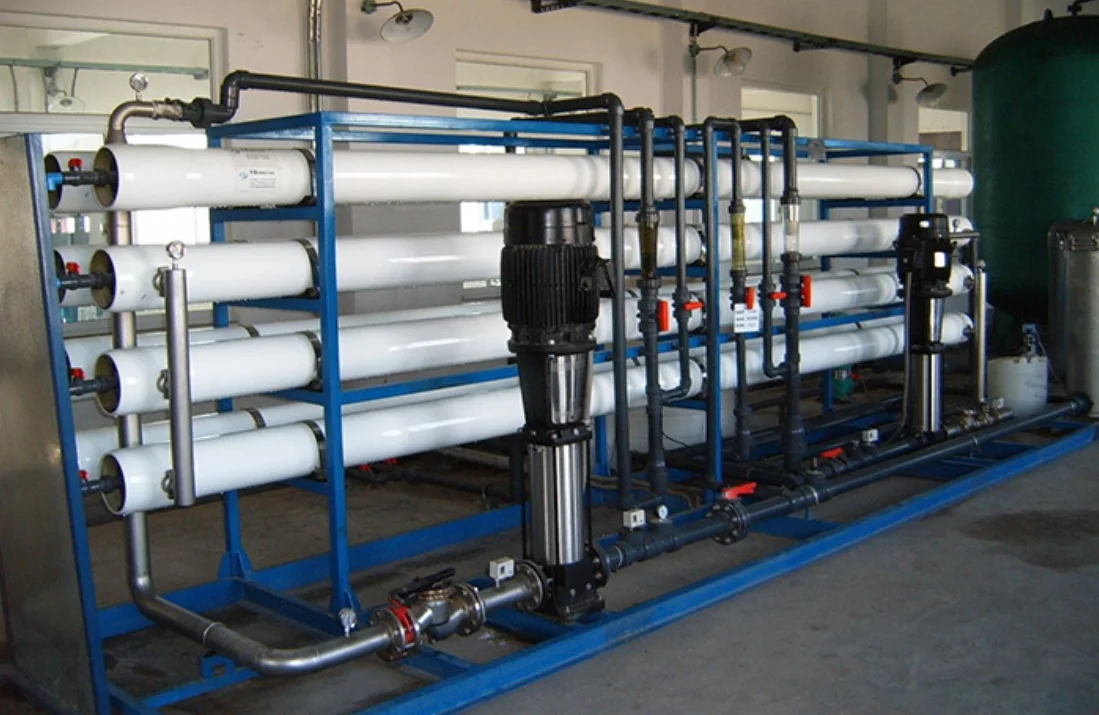
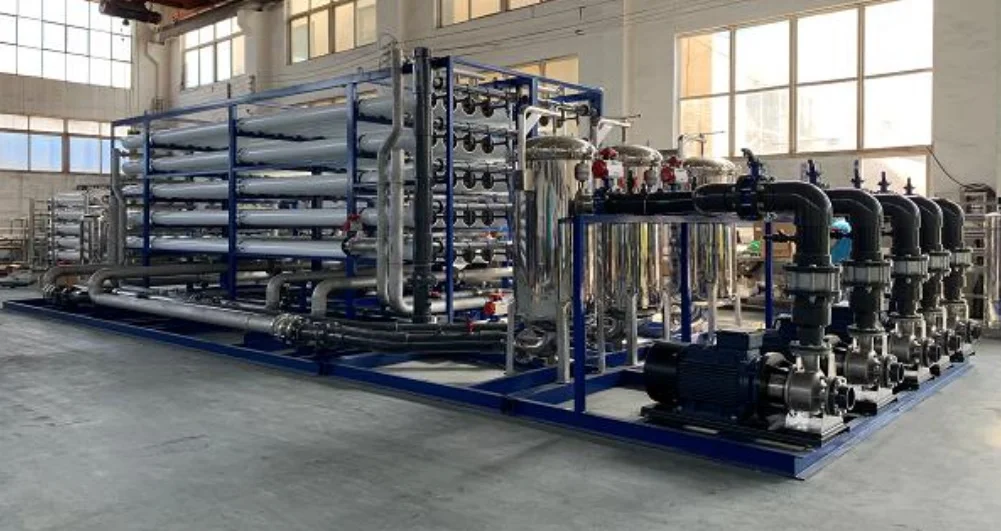
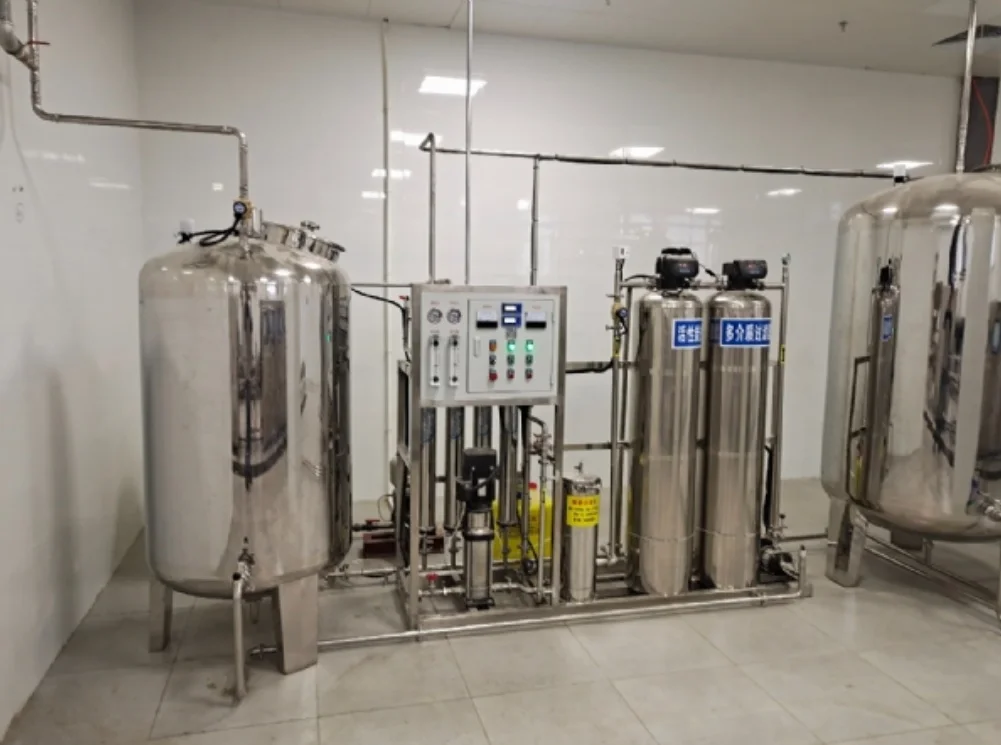
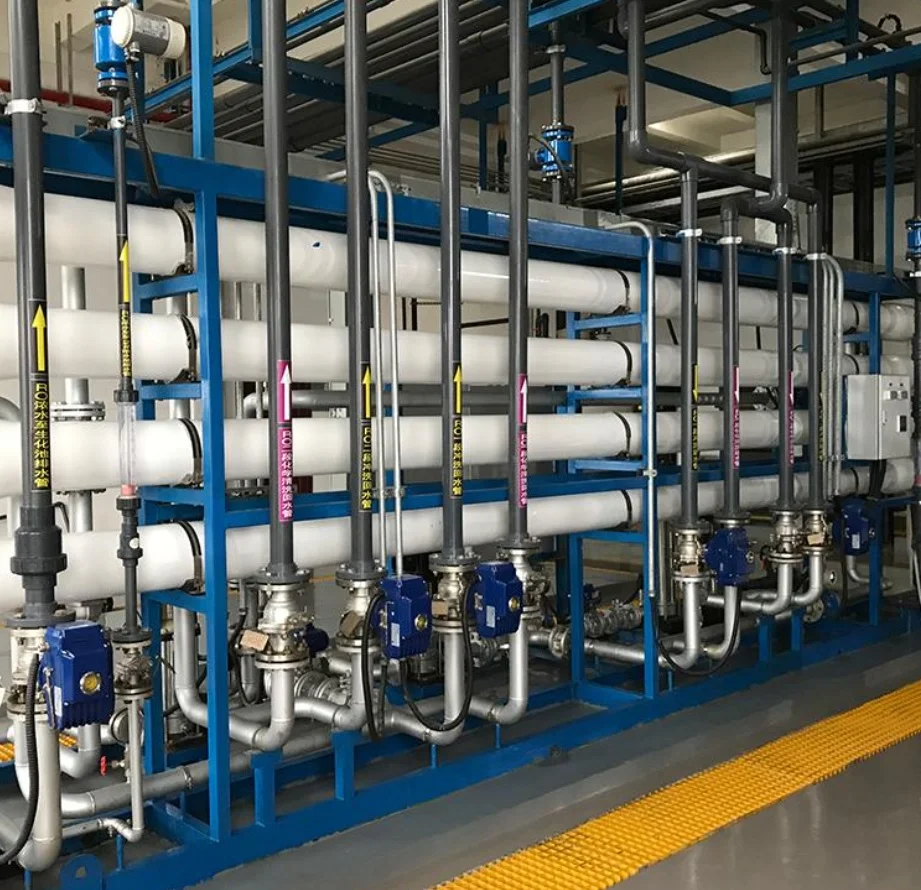
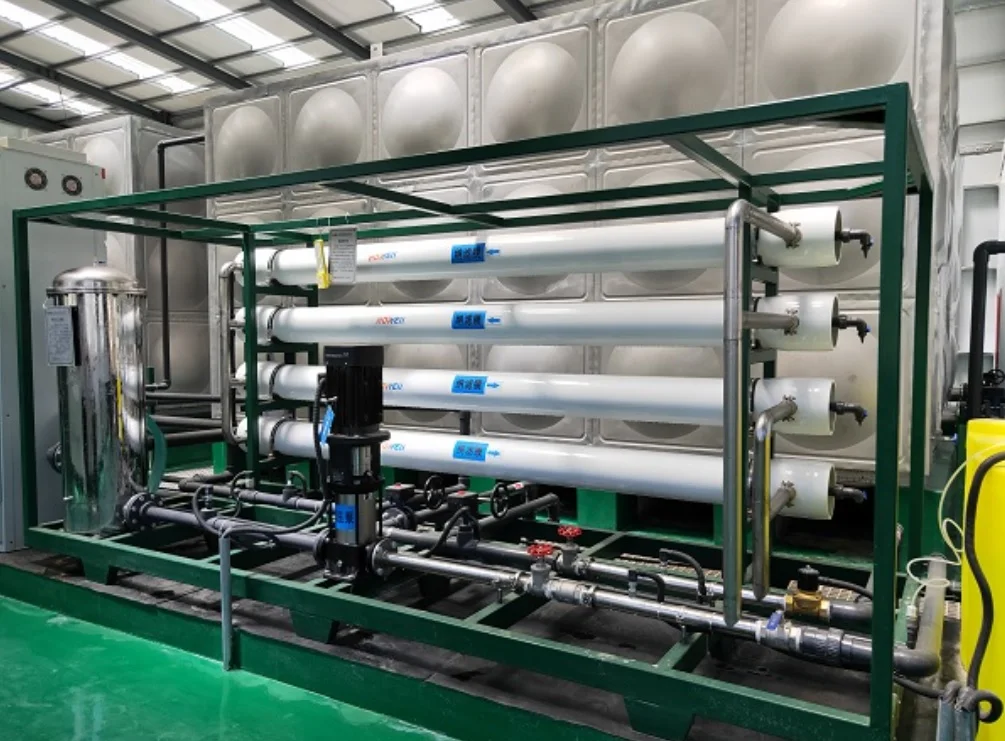
Nanofiltration system
Benefits of Membrane Filtration
1.Separate and Purify Active Components
It performs molecular‑size‑based sieving to separate target active substances such as alkaloids, flavonoids and polysaccharides from impurities including proteins and pigments. For ginseng extraction, ultrafiltration membranes help produce ginsenosides with higher purity.
2. Remove Microorganisms
Microfiltration membranes effectively eliminate bacteria, yeasts and molds to guarantee product safety and quality. This is especially critical for health‑care and pharmaceutical products derived from plant extracts.
3. Concentrate Active Ingredients
Under pressure, reverse osmosis membranes allow solvent to pass through reversely to concentrate extracts. It cuts down material volume and operating costs, and simplifies storage and transportation.
4. Preserve Bioactivity of Ingredients
Compared with traditional processing methods, membrane filtration works under mild conditions (ambient temperature, low pressure). It prevents damage to active substances and retains their bioactivity, ideal for extracting enzymes and heat‑sensitive compounds.
5. Improve Product Stability
Impurities and microorganisms are removed to reduce undesirable chemical reactions during storage, hence extending product shelf life.
6. Clarification & Decolorization
Microfiltration or ultrafiltration removes suspended particles. Special membrane materials can adsorb or trap pigments, greatly improving product appearance.
Application Fields
- ✓Drinking Water & Groundwater Treatment
- ✓Bottled Water & Beverage Plants
- ✓Hotels, Resorts & Commercial Complexes
- ✓Industrial Water Pretreatment
- ✓Food & Dairy Processing Factories
- ✓Textile & Printing Industry
- ✓Municipal & Wastewater Reuse Projects
- ✓Hospitals & Public Institutions
Scope of supply
- Membrane assembly- Nanofiltration membrane elements - Pressure vessels /membrane housings - Membrane rack and connecting fittings
- Pumps- Feed high-pressure pump - Booster pump - CIP circulation pump
- Pre-treatment & security filtration- Security filter /cartridge filter - Spare filter cartridges
- Chemical dosing system- Antiscalant dosing tank & metering pump - pH adjustment dosing unit (acid/alkali) - Biocide dosing system
- Piping, valves & instruments- Wetted piping (PVC / SS304 / SS316L) - Manual and pneumatic control valves - Pressure gauges, pressure transmitters, flow meters - Online conductivity meter, TDS meter, pH meter
- Control & electrical system- Control cabinet, PLC & HMI touch screen - Sensors, alarm and interlock functions - Cables and wiring inside skid
- Skid frame- Carbon steel /stainless steel skid with anti-corrosion coating
- Accessories, spare parts & documents- Gaskets, O-rings, spare filter cartridges - Operation & maintenance manual, layout drawing, wiring diagram - Material certificates, CE certificate
Frequently Asked Questions
What is nanofiltration (NF), and what is its separation characteristic?
Nanofiltration is a pressure-driven membrane process between UF and RO. It can remove multi-valent ions (hardness, sulfate), organic matter, color and TOC, while partially allowing monovalent salts (sodium chloride) to pass through.
What is the typical operating pressure of NF system?
0.6–1.6 MPa, lower than RO.
What pre-treatment is required before NF?
UF is the preferred pre-treatment. Raw water turbidity should be controlled below 1 NTU. Security filter (5μm) is mandatory before NF membrane to prevent particle damage to membrane elements.
Can NF remove all dissolved salts?
No. NF has high rejection for divalent ions (Ca²⁺, Mg²⁺, SO₄²⁻), but low rejection for monovalent ions such as NaCl. It is widely used for water softening, color removal and partial desalination, not for full desalination.
What are common fouling problems for NF membrane?
Organic fouling, microbial fouling, inorganic scaling (calcium carbonate, calcium sulfate). Antiscalant dosing and periodic CIP cleaning are essential.
What is NF membrane service life?
3–5 years under stable inlet water quality, proper chemical dosing and regular CIP. Poor pre-treatment or improper cleaning will shorten service life
What are main application fields of nanofiltration system?
Groundwater / surface water softening, color & TOC removal, wastewater reuse, food & beverage concentration, pharmaceutical separation, partial desalination
Does the NF skid support automatic operation?
Yes. Standard skid includes auto run, auto flush, chemical dosing, alarm and interlock protection. Manual operation is mainly for inspection and CIP maintenance.
What is the difference between NF and RO?
NF: lower pressure, removes hardness, color and organics; partial salt rejection. RO: higher pressure, removes nearly all dissolved salts and ions, for full desalination.
Send Your Requirements
- Raw water flow & raw water quality report — TDS, hardness, pH, turbidity, COD, color etc.
- Target permeate quality —
- Recovery rate requirement —
- Power supply —
- Wetted material preference —
- Delivery term —
- Destination port —
- After-sales requirement —
Related Equipment