


In today’s beverage industry, efficiency, hygiene, and consistency are no longer optional—they are essential. As consumer demand for bottled drinks continues to grow, manufacturers are under constant pressure to scale production while maintaining strict quality standards. This is where automatic water filling machines play a central role.
From purified drinking water to flavored beverages, these machines are widely used across different production scenarios. Their ability to streamline operations, reduce contamination risks, and improve output has made them a core component in modern beverage factories.
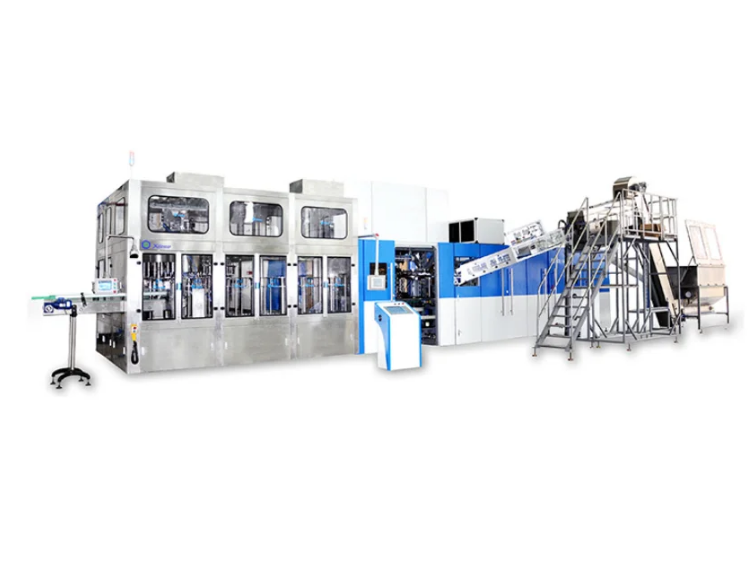
What Is an Automatic Water Filling Machine?
An automatic water filling machine is an integrated system designed to fill liquid products into containers with minimal human intervention. Most advanced systems combine multiple processes—such as rinsing, filling, and capping—into a single unit. These machines are typically used in PET bottle production lines and are capable of handling large volumes with consistent precision.
Modern filling machines are equipped with sensors, PLC control systems, and automated cleaning functions, ensuring both operational efficiency and product safety.
Key Applications in the Beverage Industry
1. Bottled Drinking Water Production
The most common application is in the production of bottled drinking water. Whether it’s purified water, mineral water, or spring water, automatic filling machines ensure that each bottle is filled accurately and sealed hygienically.
In high-capacity plants, these machines are integrated into complete production lines that include water treatment systems, bottle blowing equipment, and labeling units. This allows manufacturers to achieve continuous, high-speed production with minimal downtime.
provide a reliable foundation for consistent output and product quality.
2. Carbonated Beverage Filling
Automatic filling machines are also widely used in carbonated drink production. Unlike still water, carbonated beverages require specialized filling techniques to maintain carbonation levels and prevent foaming during the process.
These machines are designed with pressure-controlled filling valves and sealed environments to ensure that carbon dioxide remains dissolved in the liquid. This is crucial for products like soda, sparkling water, and flavored fizzy drinks.
3. Juice and Functional Beverage Processing
Juices, teas, and functional drinks often contain pulp, vitamins, or other additives. Automatic filling machines used in this segment are engineered to handle varying viscosities and particulate content.
They are typically paired with pre-treatment systems such as pasteurization and sterilization units to ensure food safety. The integration of these systems allows manufacturers to maintain both nutritional value and shelf stability.
4. Large-Volume Water (Gallon Bottles)
Another important application is in the filling of large containers, such as 3-gallon and 5-gallon water bottles. These are commonly used in offices, homes, and commercial spaces.
Automatic gallon filling lines include additional processes such as bottle washing, sterilization, and inspection. Because these bottles are often reused, maintaining cleanliness is especially critical. Automated cleaning systems ensure that each container meets hygiene standards before filling.
5. Customized and Specialty Beverage Production
As consumer preferences diversify, many manufacturers are producing niche beverages—such as flavored water, electrolyte drinks, and herbal infusions. Automatic filling machines can be customized to handle these products, offering flexibility in bottle size, filling volume, and production speed.
This adaptability allows producers to quickly respond to market trends without significant changes to their production infrastructure.
Integration into Smart Manufacturing Systems
One of the biggest advantages of modern filling machines is their compatibility with smart factory concepts. Companies like Pengxiang Huixing have focused on integrating intelligent systems into beverage production.
Their solutions go beyond standalone machines. They provide complete production ecosystems that include:
-
Water treatment systems
-
Beverage pre-processing units
-
PET bottle blowing equipment
-
Filling and capping lines
-
Labeling and packaging systems
-
Conveying and logistics integration
By connecting these components through digital control systems, manufacturers can monitor production in real time, optimize workflows, and reduce operational costs.
Advantages of Automatic Water Filling Machines
Improved Efficiency
Automation significantly reduces manual labor and increases production speed. High-speed filling lines can handle thousands of bottles per hour, making them ideal for large-scale operations.
Consistent Quality
Precise control systems ensure that each bottle is filled to the exact required level. This consistency helps maintain brand reliability and reduces product waste.
Enhanced Hygiene
With features like automatic cleaning (CIP systems) and enclosed filling environments, these machines minimize the risk of contamination. This is especially important in the beverage industry, where safety standards are strict.
Cost Optimization
Although the initial investment can be substantial, the long-term savings in labor, waste reduction, and efficiency make automatic filling machines a cost-effective solution.
Scalability
Modern systems are designed to grow with the business. Whether expanding production capacity or introducing new products, manufacturers can upgrade or modify existing lines without starting from scratch.
Real-World Industry Impact
Over the past two decades, beverage machinery manufacturers have continuously improved filling technology. Companies such as Pengxiang Huixing have played a key role in this evolution by combining international technology with localized innovation.
Based in Shenzhen, Pengxiang Huixing has developed a comprehensive portfolio of beverage packaging machinery, covering everything from water treatment to secondary packaging. Their products are widely used across domestic and international markets, including regions in the Middle East and Southeast Asia.
By focusing on research, engineering, and integrated solutions, they help beverage producers optimize every stage—from raw material processing to final product delivery.
Choosing the Right Filling Machine
Selecting the right automatic water filling machine depends on several factors:
-
Type of beverage (still, carbonated, viscous)
-
Production capacity requirements
-
Bottle size and material
-
Level of automation needed
-
Integration with existing systems
Manufacturers should also consider after-sales support, technical service, and system customization when choosing a supplier.
Future Trends in Beverage Filling Technology
As the industry moves toward sustainability and digitalization, automatic filling machines are evolving in several ways:
-
Energy-efficient designs to reduce environmental impact
-
Smart sensors and AI-driven monitoring systems
-
Flexible production lines for multi-product handling
-
Improved sanitation technologies for higher safety standards
These advancements are shaping the next generation of beverage manufacturing, making production more efficient, adaptable, and environmentally responsible.
Conclusion
Automatic water filling machines are no longer just a piece of equipment—they are the backbone of modern beverage production. Their applications span across bottled water, carbonated drinks, juices, and large-volume containers, supporting manufacturers in delivering safe and high-quality products at scale.
With the integration of intelligent systems and complete production solutions, companies like Pengxiang Huixing are helping the industry transition toward smarter and more efficient manufacturing models. For beverage producers aiming to stay competitive, investing in advanced filling technology is not just an option—it is a necessity.