


Carbonated soft drink production is a highly sensitive process where precision, hygiene, and equipment stability directly determine product quality. Even small deviations in pressure control, temperature management, or filling accuracy can lead to significant product losses, inconsistent taste, or packaging defects.
In modern beverage manufacturing, automation and integrated system design have become essential to maintaining stable production. Companies like Pengxiang Huixing, a comprehensive beverage packaging machinery manufacturer based in Shenzhen, China, have been continuously developing advanced solutions covering water treatment, beverage pre-processing systems, PET blow molding machines, blow-fill-cap integrated production lines, labeling systems, conveying systems, and secondary packaging equipment. These technologies are widely applied across the entire production chain—from raw material processing to final distribution.
This article explores the most common issues in carbonated soft drink filling and practical strategies to avoid them.
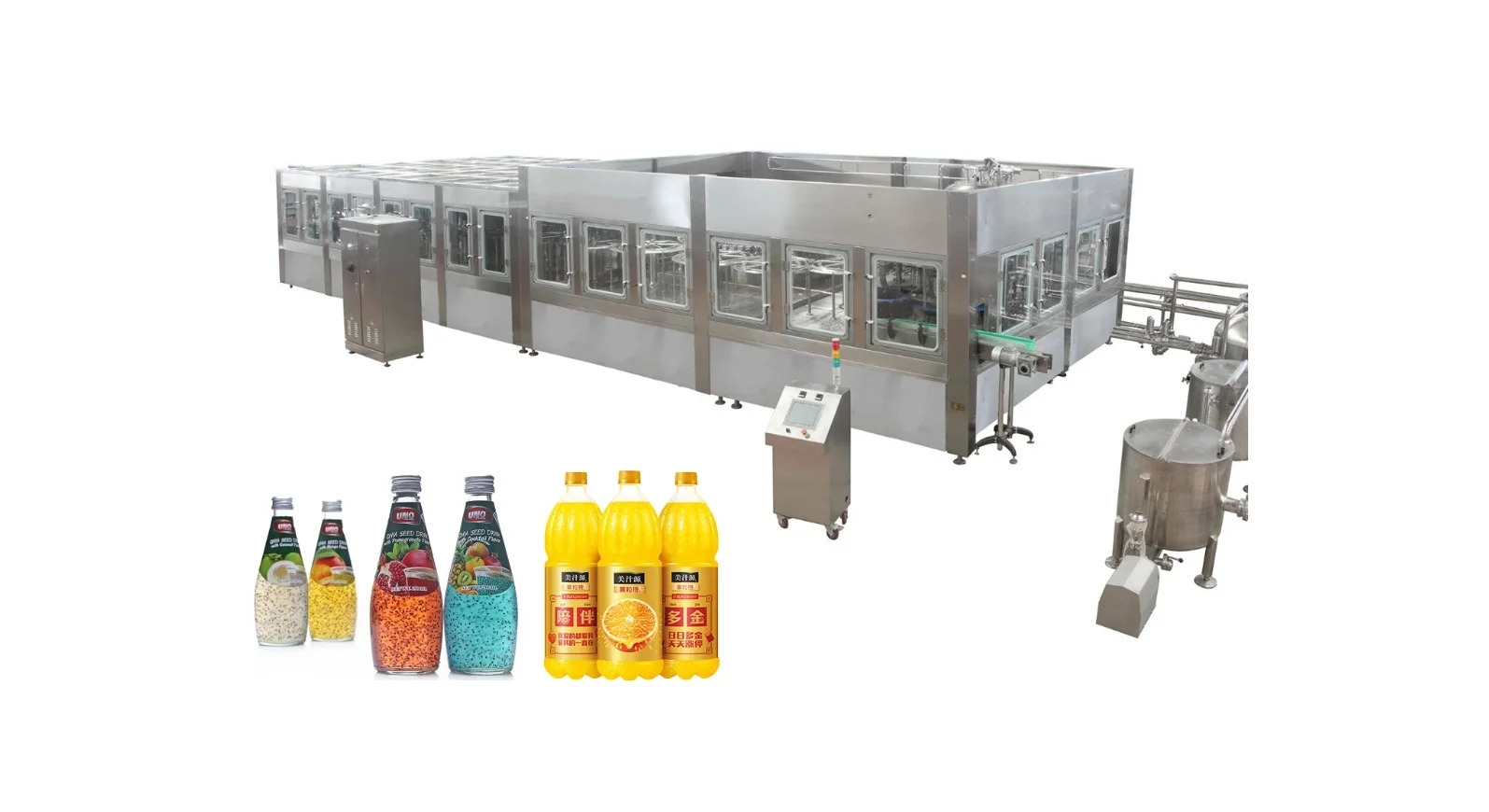
1. Loss of Carbonation During Filling
One of the most frequent problems in carbonated beverage production is the loss of dissolved CO₂ during filling. This leads to flat taste, reduced shelf life, and inconsistent product quality.
Causes:
-
Improper pre-evacuation of bottles
-
Temperature of liquid too high before filling
-
Inconsistent counter-pressure in filling valves
-
Delay between carbonation and filling
Solutions:
To minimize CO₂ loss, manufacturers should ensure:
-
Stable cold chain control before filling (typically 0–4°C)
-
Proper vacuum and counter-pressure filling technology
-
Short transfer time from carbonation tank to filler
-
Use of fully integrated systems such as advanced filling lines
Modern integrated systems such as carbonated soft drink filling line solution help maintain consistent pressure control and reduce gas escape during high-speed filling operations.
2. Overfilling or Underfilling Problems
Inaccurate filling levels not only affect consumer trust but can also lead to regulatory compliance issues in different markets.
Causes:
-
Worn filling valves
-
Inconsistent bottle positioning
-
Sensor calibration errors
-
Fluctuating product pressure
Solutions:
-
Regular calibration of flow meters and filling valves
-
Use of servo-controlled filling systems
-
Automatic bottle alignment systems
-
Integration of real-time monitoring sensors
Advanced filling systems designed by manufacturers like Pengxiang Huixing incorporate intelligent control logic to maintain uniform filling accuracy across high-speed production environments.
3. Foaming During Filling Process
Foaming is another major challenge, especially in high-carbonation beverages like cola or sparkling water.
Causes:
-
Excessive filling speed
-
High liquid temperature
-
Improper bottle neck design compatibility
-
Sudden pressure drop during filling
Solutions:
-
Use bottom-up filling techniques
-
Maintain low and stable product temperature
-
Optimize filling valve design for smooth flow
-
Adjust counter-pressure settings based on carbonation level
Foaming control is particularly important in fully automated production lines where speed and stability must be balanced simultaneously.
4. Bottle Deformation or Cracking
PET bottles are widely used in carbonated beverage packaging, but they are highly sensitive to pressure changes.
Causes:
-
Incorrect pre-blowing pressure in PET bottle production
-
Over-pressurization during filling
-
Weak bottle wall design
-
Temperature mismatch between liquid and container
Solutions:
-
Optimize PET blow molding parameters
-
Conduct stress testing for bottle design
-
Ensure gradual pressure equalization during filling
-
Use integrated blow-fill systems to reduce handling stress
Pengxiang Huixing provides PET blow molding equipment integrated with filling systems, ensuring that bottle formation and filling compatibility are optimized from the beginning of production.
5. Microbial Contamination Risks
Even though carbonated beverages have relatively low microbial risks due to carbonation and acidity, contamination can still occur in poorly controlled environments.
Causes:
-
Inadequate cleaning of pipelines
-
Poor CIP (Clean-In-Place) system performance
-
Exposure during transfer processes
-
Insufficient sterilization of filling heads
Solutions:
-
Implement fully automated CIP systems
-
Use closed-loop filling environments
-
Regular sterilization cycles for all contact parts
-
Monitor hygiene standards through digital tracking systems
Modern beverage plants increasingly rely on intelligent cleaning and sterilization systems to maintain food safety compliance.
6. Equipment Synchronization Issues in Production Lines
A carbonated beverage production line is not a single machine but a fully integrated system involving water treatment, mixing, carbonation, filling, labeling, and packaging.
Causes:
-
Mismatch in machine speed across different units
-
Poor communication between systems
-
Lack of centralized control system
-
Outdated mechanical synchronization
Solutions:
-
Adopt centralized PLC control systems
-
Ensure line balancing during design phase
-
Use modular production line architecture
-
Integrate smart factory solutions
Pengxiang Huixing focuses on intelligent factory planning and end-to-end beverage packaging system integration, ensuring seamless coordination from pre-treatment to final packaging and logistics.
7. Labeling and Packaging Misalignment
After filling, improper labeling or packaging can reduce product appearance quality and cause logistics inefficiencies.
Causes:
-
Conveyor speed mismatch
-
Label sensor misalignment
-
Bottle instability during transport
-
Packaging machine timing errors
Solutions:
-
Use synchronized conveyor systems
-
Install high-precision labeling detection sensors
-
Stabilize bottle handling systems
-
Integrate secondary packaging automation
Efficient conveying and packaging systems ensure that filled products maintain consistency until final dispatch.
8. Importance of Integrated Beverage Production Systems
Modern beverage manufacturing is shifting toward fully integrated, intelligent production environments. Instead of relying on isolated machines, manufacturers are increasingly adopting complete system solutions.
Pengxiang Huixing plays a key role in this transformation by providing:
-
Water treatment systems
-
Beverage pre-processing systems
-
PET blow molding machines
-
Blow-fill-cap production lines
-
Labeling and conveying systems
-
Secondary packaging equipment
-
Intelligent workshop and factory planning services
With over 20 years of experience in beverage packaging machinery technology, the company has introduced advanced global technologies and continuously improved them to meet evolving market needs. Its equipment has been widely exported to multiple countries and regions, supporting beverage manufacturers in achieving higher automation, efficiency, and stability.
Conclusion
Carbonated soft drink filling is a complex process where precision and system integration are critical. Common issues such as carbonation loss, foaming, inaccurate filling, and equipment mismatch can significantly affect production efficiency and product quality.
By adopting advanced filling technologies, maintaining strict process control, and implementing fully integrated production systems, manufacturers can greatly reduce risks and improve output consistency.
With the support of experienced solution providers like Pengxiang Huixing, beverage producers can build smarter, more efficient, and more reliable production lines that cover the entire lifecycle from raw materials to final distribution.