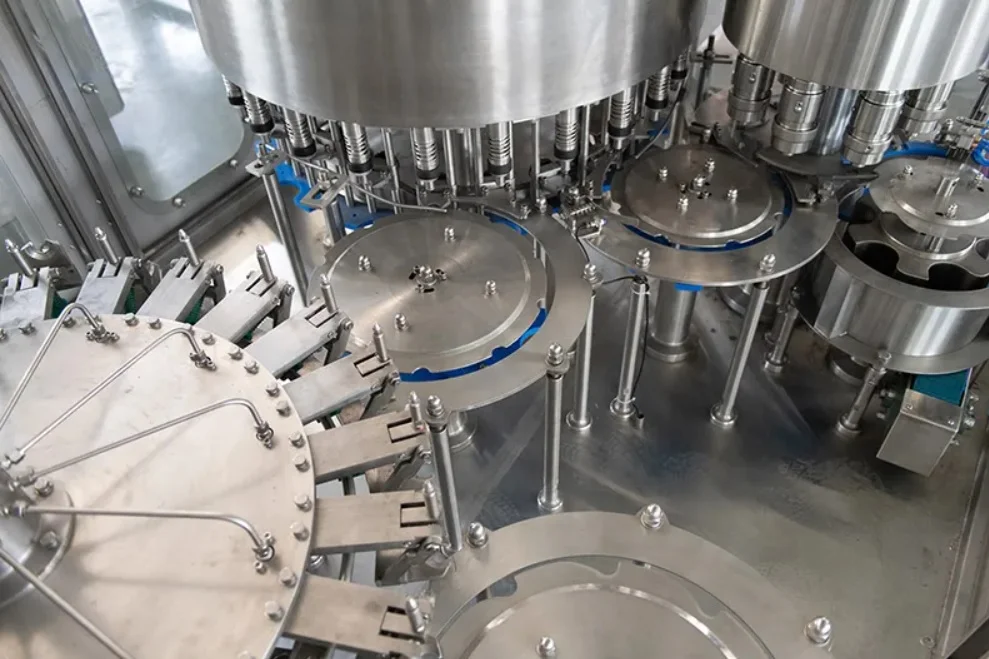


In today's beverage industry, consumers expect every bottle of drinking water to be clean, safe, and consistent. Whether the product is purified water, mineral water, spring water, or functional drinking water, manufacturers must meet increasingly strict hygiene standards while maintaining efficient production. Achieving these goals depends heavily on reliable water filling machines and a well-designed production system.
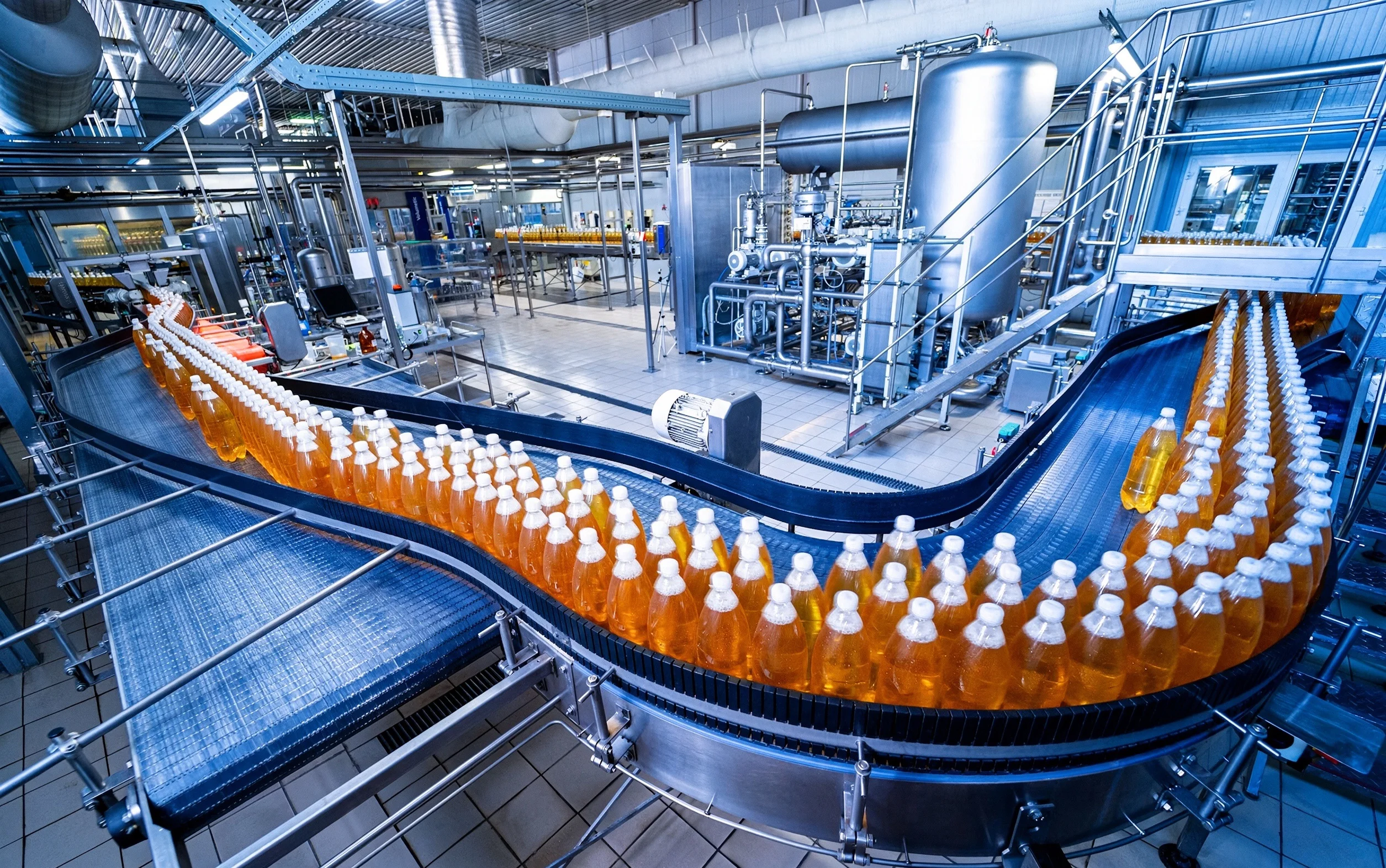
A modern water filling line is far more than a simple filling device. It integrates water treatment, bottle manufacturing, filling, capping, labeling, inspection, packaging, and logistics into one coordinated process. Every stage contributes to product quality, operational efficiency, and food safety.
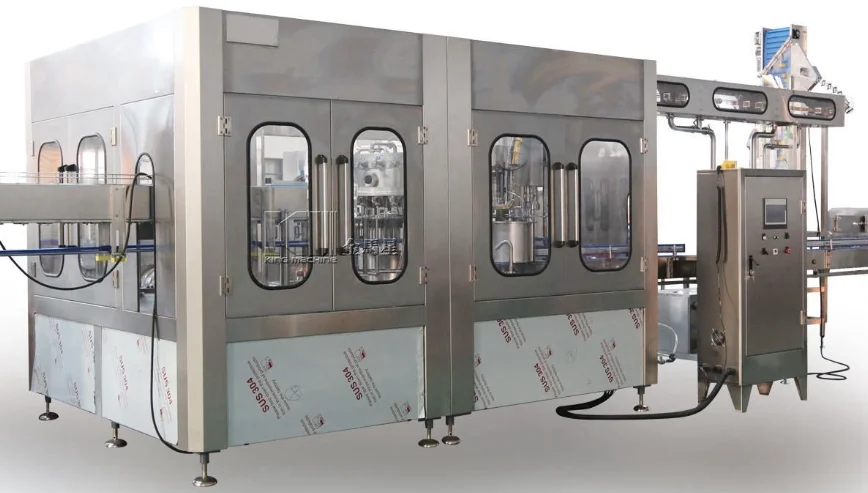
Why Water Filling Machines Matter
Water may appear to be one of the simplest beverages, but it is also one of the most sensitive products to contamination. Any weakness in equipment design, sanitation, or production management can affect product quality and even damage brand reputation.
High-quality water filling machines help manufacturers by:
-
Preventing microbial contamination
-
Reducing human contact during production
-
Maintaining filling accuracy
-
Improving production efficiency
-
Supporting compliance with international food safety standards
-
Lowering product waste and downtime
As production volumes continue to grow, automation has become essential rather than optional.
Building Quality Starts Before Filling
Many people focus only on the filling process itself, but product quality actually begins much earlier.
A complete bottled water production line typically includes:
Water Treatment System
Raw water passes through multiple treatment stages, including filtration, activated carbon, reverse osmosis, UV sterilization, or ozone sterilization depending on water quality requirements. Stable water treatment ensures consistent taste and microbiological safety before filling even begins.
Bottle Production
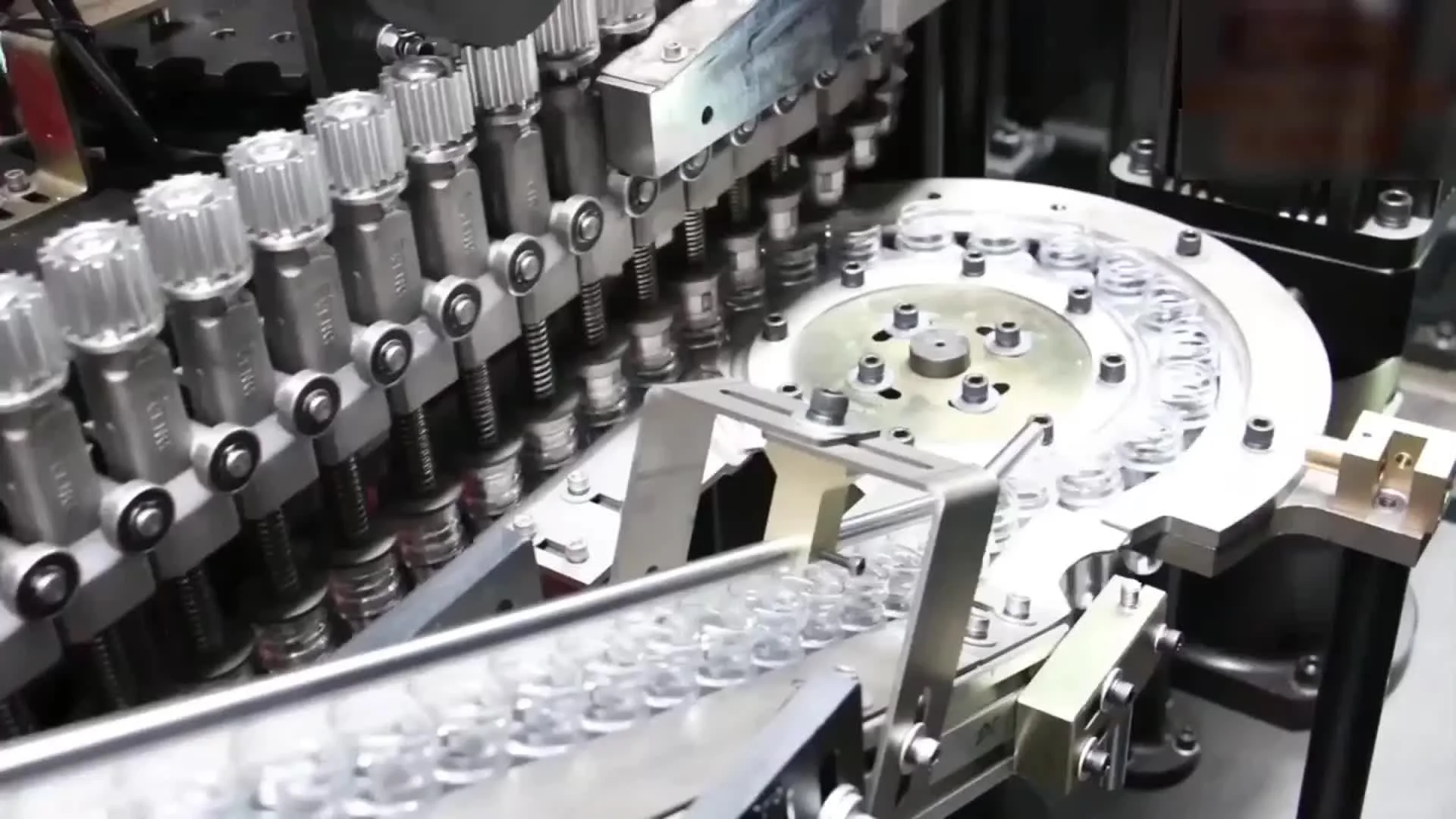
For manufacturers producing PET bottles in-house, automatic PET blow molding machines create bottles under controlled conditions. Consistent bottle quality reduces leakage, improves sealing performance, and minimizes waste during filling.
Bottle Cleaning
Before entering the filling machine, bottles are rinsed using sterile water or purified air to remove dust or particles introduced during handling or storage.
Only after these steps is the product ready for filling.
Hygienic Design Makes the Difference
One of the most important characteristics of modern water filling machines is hygienic engineering.
Equipment intended for food and beverage production should include features such as:
-
Stainless steel construction
-
Smooth internal surfaces
-
Minimal dead corners
-
Food-grade seals
-
Automatic cleaning capability
-
Closed filling environment
These design features help reduce the risk of bacterial growth while making routine cleaning faster and more effective.
Automatic CIP (Clean-in-Place) systems are especially valuable because they clean pipelines, tanks, and filling valves without dismantling equipment. This reduces labor while improving sanitation consistency.
Precision Filling Improves Product Consistency
Consumers expect every bottle to contain the correct volume.
Modern filling machines use advanced control systems that monitor filling accuracy throughout production. Stable filling performance offers several advantages:
-
Consistent product appearance
-
Reduced product giveaway
-
Improved packaging quality
-
Better production efficiency
-
Lower operating costs
Accurate filling also minimizes spills that could create sanitation issues around the production line.
Automation Reduces Human Error
Manual operations increase the possibility of contamination, inconsistent filling, and production delays.
Today's automated water filling lines integrate:
-
Bottle feeding
-
Automatic rinsing
-
Filling
-
Capping
-
Bottle conveying
-
Labeling
-
Date coding
-
Inspection
-
Secondary packaging
Automation reduces direct human contact with the product while improving repeatability and production stability.
Modern PLC control systems also allow operators to monitor machine performance, adjust parameters, and detect faults quickly, reducing downtime.
Reliable Capping Protects Product Safety
Even perfectly treated water can become contaminated if bottle sealing is inadequate.
Automatic capping systems ensure:
-
Correct torque control
-
Leak prevention
-
Tamper evidence
-
Consistent sealing quality
Proper sealing also protects products during transportation, storage, and retail display.
Regular inspection of cap quality remains an essential part of quality assurance.
Inspection Throughout Production
Quality control should never rely solely on end-product testing.
Modern production lines increasingly include inline inspection equipment capable of detecting:
-
Incorrect fill levels
-
Missing caps
-
Loose caps
-
Bottle deformation
-
Label positioning errors
-
Foreign particles
Early detection allows manufacturers to remove defective products before packaging, reducing waste and protecting customer confidence.
Intelligent Production Improves Efficiency
Smart manufacturing technologies are transforming beverage production.
Data collected from production equipment can help manufacturers monitor:
-
Equipment utilization
-
Production speed
-
Energy consumption
-
Maintenance schedules
-
Product quality trends
These insights support predictive maintenance, allowing companies to identify potential equipment issues before they lead to costly downtime.
Integrated production management also improves inventory planning and production scheduling.
The Importance of Water Treatment Integration
Even the best filling machine cannot compensate for poor water quality.
An integrated water treatment system should be designed according to:
-
Source water quality
-
Production capacity
-
Local regulations
-
Desired product characteristics
Different water sources require different treatment combinations.
Proper integration between water treatment equipment and filling machinery ensures stable operation while maintaining consistent product quality.
Flexible Production Supports Market Growth
Consumer demand continues to diversify.
Many manufacturers now produce multiple products using the same facility, including:
-
Purified water
-
Mineral water
-
Sparkling water
-
Flavored water
-
Vitamin water
-
Functional beverages
Flexible filling equipment allows rapid product changeovers while minimizing downtime.
This flexibility helps manufacturers respond more quickly to changing market demand.
Energy Efficiency Matters
Sustainability has become an important consideration across the beverage industry.
Modern water filling equipment helps reduce environmental impact through:
-
Optimized water usage
-
Lower compressed air consumption
-
Efficient servo drive systems
-
Reduced energy consumption
-
Lower material waste
Efficient equipment not only reduces operating costs but also supports long-term environmental goals.
Choosing the Right Equipment Partner
Selecting water filling equipment involves much more than comparing production speeds.
Manufacturers should evaluate:
-
Engineering experience
-
Equipment reliability
-
Food safety expertise
-
Customization capability
-
After-sales technical support
-
Spare parts availability
-
Installation services
-
Training programs
Working with an experienced equipment manufacturer can significantly reduce project risks while improving long-term production stability.
Pengxiang Huixing's Integrated Beverage Packaging Solutions
With more than two decades of experience in beverage packaging machinery, Pengxiang Huixing has developed comprehensive solutions covering every stage of liquid beverage production.
The company specializes in research, development, manufacturing, and technical services for intelligent beverage packaging systems. Its product portfolio includes water treatment systems, beverage pretreatment systems, PET blow molding equipment, blow-fill-cap production lines, blow-label-fill-cap production lines, labeling systems, conveying systems, secondary packaging equipment, gallon bottle production lines, sterilization equipment, intelligent cleaning systems, industrial cleaning solutions, and complete bottled beverage production lines.
Rather than supplying individual machines alone, Pengxiang Huixing focuses on complete production solutions that connect procurement, manufacturing, packaging, warehousing, logistics, distribution, and final consumption into an integrated workflow.
Located in Shenzhen, China, the company combines research and development with manufacturing under one organization. Its production has obtained ISO9000 Quality Management System certification and the company has been recognized as a Chinese High-Tech Enterprise.
By continuously introducing advanced beverage packaging technologies from around the world while emphasizing ongoing innovation, Pengxiang Huixing has built competitive advantages in intelligent workshops and smart factory planning. Today, its equipment is widely used throughout China and exported to markets including the United Arab Emirates, Oman, Vietnam, the Philippines, Malaysia, and many other countries.
Manufacturers looking for comprehensive bottled water production solutions can learn more about the company's water filling equipment here:
<a href="https://www.szpxhx.com/water-filling-machines.html">Water Filling Machines</a>
Preventive Maintenance Keeps Quality Stable
Even advanced equipment requires regular maintenance to maintain consistent performance.
An effective maintenance program includes:
-
Scheduled lubrication
-
Seal replacement
-
Filling valve inspection
-
Sensor calibration
-
Conveyor adjustment
-
Electrical inspection
-
Cleaning verification
Preventive maintenance reduces unexpected failures while extending equipment service life.
Digital maintenance management systems can further improve maintenance planning and equipment availability.
Looking Ahead
Food safety regulations will continue to become more demanding, while manufacturers face increasing pressure to improve efficiency, reduce waste, and support sustainable production.
Water filling machines are evolving accordingly through smarter automation, better hygienic design, enhanced inspection technologies, and greater production flexibility.
Companies that invest in reliable, integrated filling solutions position themselves to meet future market demands with greater confidence. By combining advanced equipment, rigorous quality management, effective sanitation, and intelligent manufacturing, bottled water producers can consistently deliver safe, high-quality products while maintaining efficient and competitive operations.
Ultimately, ensuring quality and safety is not the responsibility of a single machine—it is the result of an entire production system working together. Modern water filling machines serve as the core of that system, helping manufacturers protect product integrity, improve operational efficiency, and build lasting consumer trust.