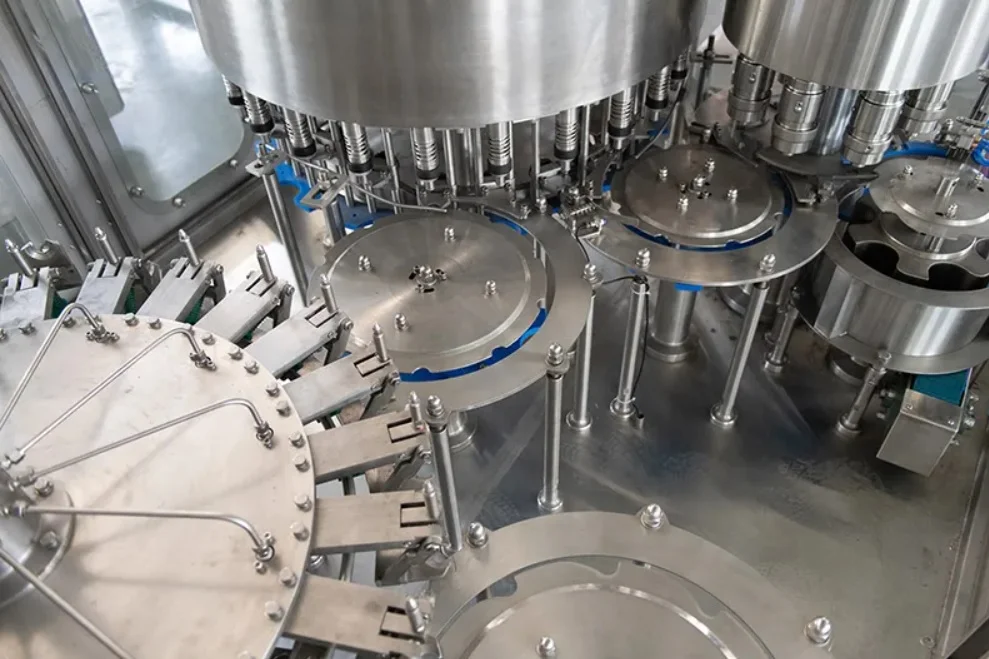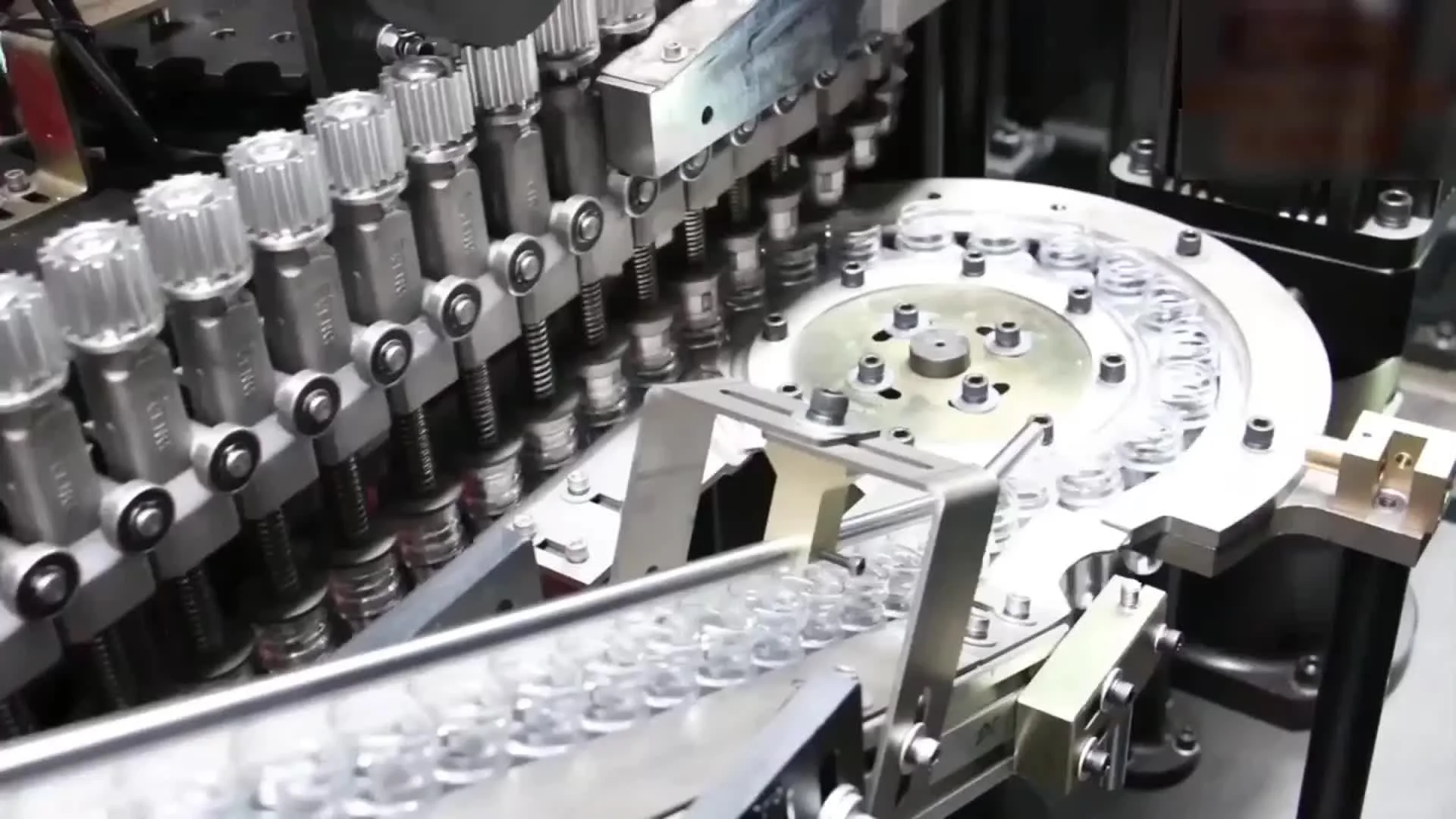


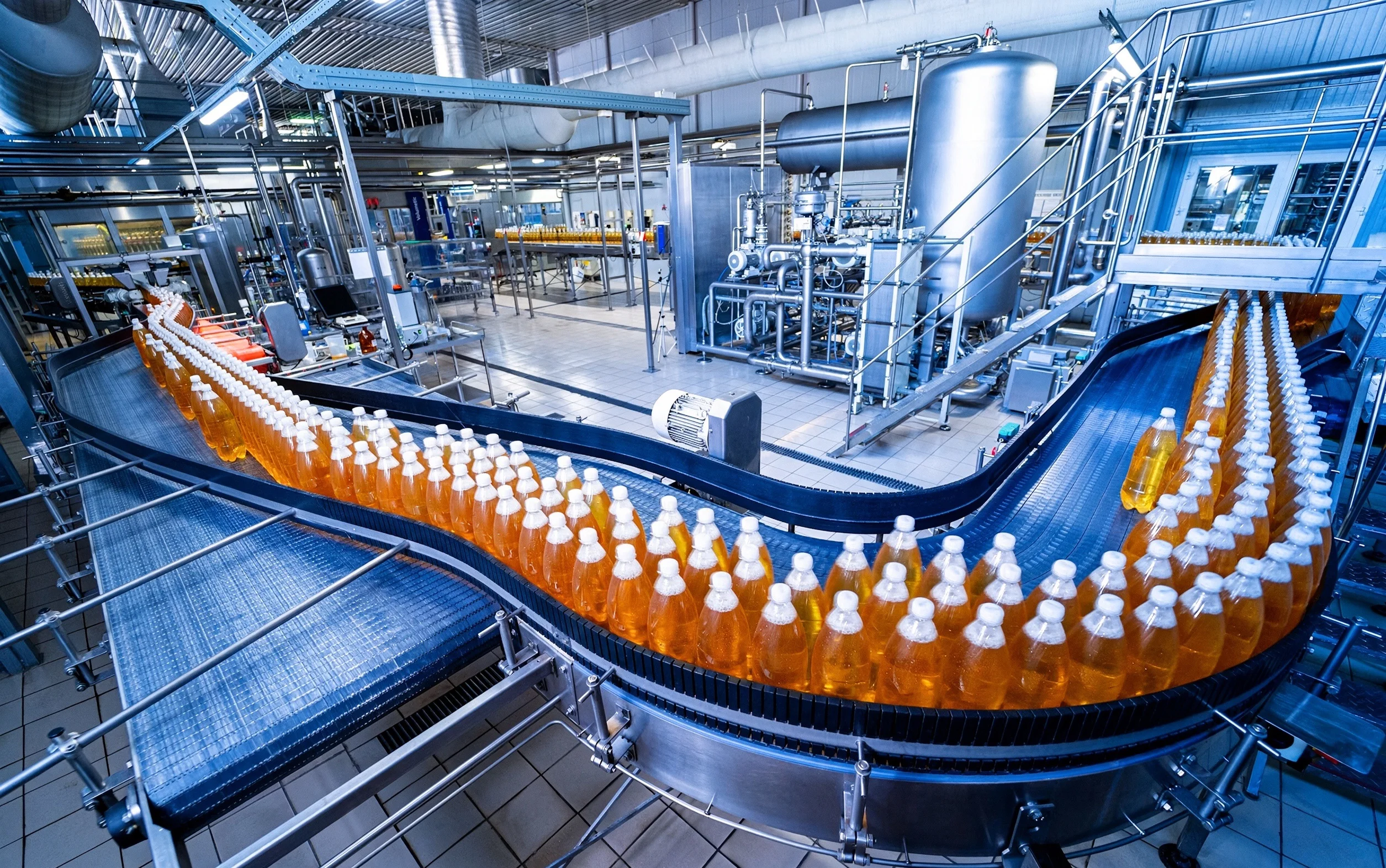
Filling technology is the core determinant of beverage taste, shelf life, production cost and product stability. Hot filling and cold filling are the two mainstream processes in the beverage industry, with completely different applicable product types, sanitary standards, equipment configurations and operational logic. Choosing a mismatched filling process will lead to shortened shelf life, flavor deterioration, high defective rates and unnecessary investment waste. As a professional turnkey beverage production line manufacturer with mature process design, customized configuration and standardized installation capabilities, we provide accurate filling process selection and full-line tailored solutions for different beverage products.
Core Definition & Working Principles
Hot Filling Technology Hot filling is a traditional and reliable sterilization filling process. After ultra-high temperature instantaneous sterilization, the beverage is filled at a high temperature of 85℃–92℃. The residual heat inside the bottle completes secondary sterilization on the bottle body and cap, realizing commercial sterility without additional cold-chain equipment. It features simple process, low auxiliary investment and stable anti-corrosion performance.
Cold Filling Technology Also known as aseptic cold filling, the process adopts ultra-high temperature short-time sterilization, rapidly cools the beverage to room temperature or low temperature (20℃–25℃), and completes filling in a fully sterile isolation environment. It avoids high-temperature damage to beverage nutrients and flavor, retaining the fresh taste of raw materials to the maximum extent.
Applicable Beverage Products
Ideal Products for Hot Filling Hot filling is the preferred process for most thermal-resistant beverages, including tea drinks, herbal tea, fruit juice, vegetable juice, diluted fruit beverages and some functional drinks. These products can withstand high-temperature filling without obvious flavor loss or nutrient deterioration, and hot filling can effectively inhibit bacterial reproduction and extend shelf life under normal temperature storage.
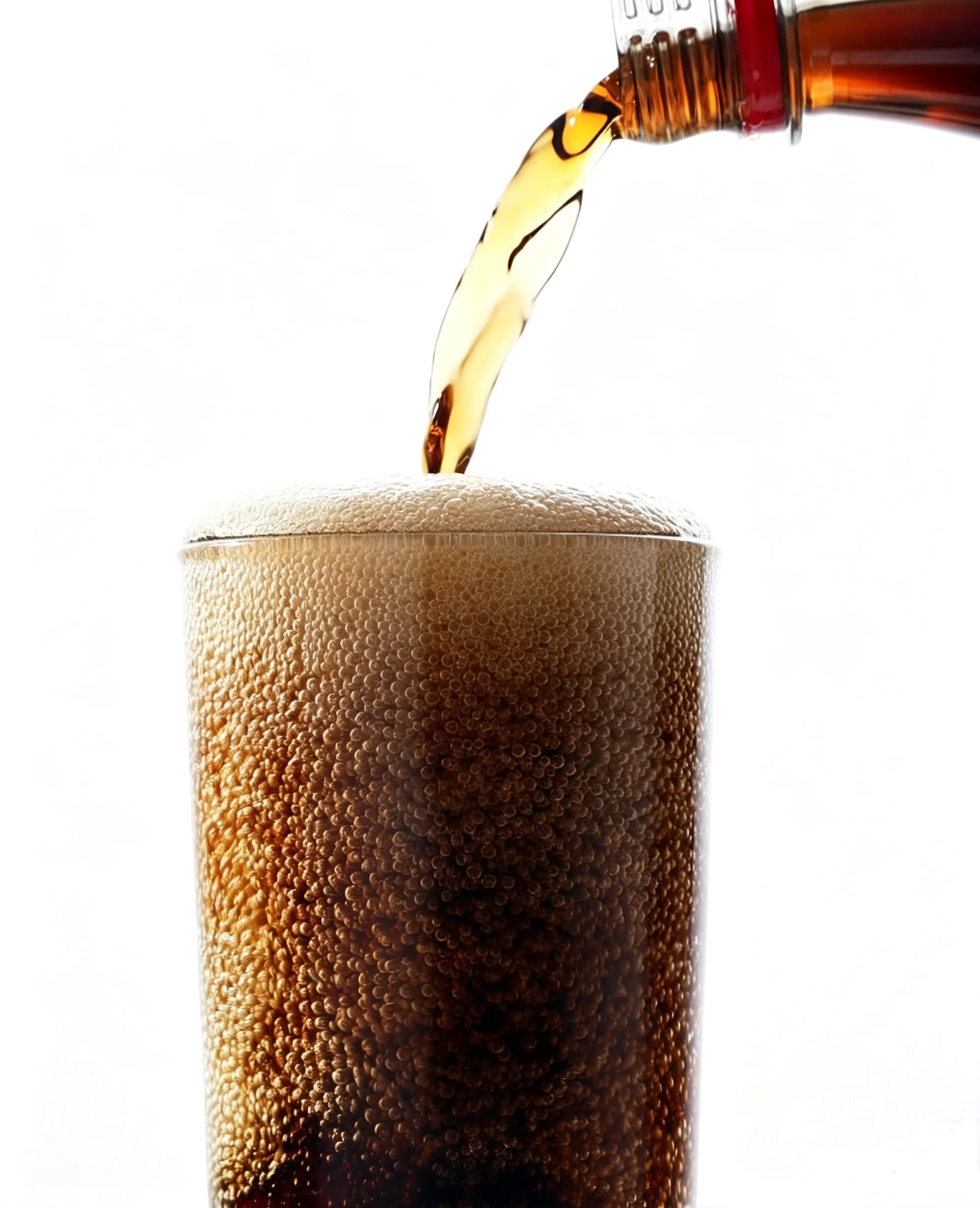
Ideal Products for Cold Filling Cold filling is suitable for heat-sensitive beverages that are easy to oxidize and decompose at high temperatures, including fresh juice, carbonated drinks, energy drinks, dairy beverages, protein drinks and low-sugar functional beverages. It perfectly solves the problems of high-temperature discoloration, taste deterioration and nutrient loss, ensuring fresh and pure product flavor.
Key Advantages & Limitations Comparison
Hot Filling Pros & Cons Benefits: No need for complex sterile purification workshop and cold-chain system, low overall project investment, simple equipment operation, low failure rate and convenient daily maintenance. The process is mature and stable, suitable for long-term continuous mass production. Limitations: High temperature will slightly affect the fresh flavor of individual beverages; bottles need high-temperature resistance design with certain material cost restrictions.
Cold Filling Pros & Cons Benefits: Maximum retention of beverage nutrition and fresh taste, no high-temperature oxidation precipitation, stable product color and flavor, high-end product positioning. Limitations: Higher requirements for workshop purification, equipment aseptic performance and environmental control; higher project configuration and technical thresholds.
Our Professional Strengths in Filling Process Design & Whole-Line Deployment
1. Accurate Process Customization Based on Product Characteristics We do not provide rigid standard equipment. According to customers’ beverage formulas, raw material characteristics, target shelf life and market positioning, we scientifically select hot filling, ordinary cold filling or ultra-aseptic cold filling process. We eliminate the common industry problems of over-configured equipment leading to cost waste or insufficient process leading to unqualified products, ensuring the most cost-effective solution for each project.
2. Professional Process Optimization for Targeted Pain Points For hot filling lines, we optimize high-temperature resistant sealing system, anti-deviation filling structure and bottle inverted sterilization process to solve bottle deformation, liquid level deviation and residual bacteria risks during high-temperature production. For cold filling lines, we design full aseptic isolation structure, graded purification ventilation system and sterile pipeline circulation technology to ensure zero secondary pollution in the whole filling process.
3. Integrated Whole-Line Matching Design As a full-line self-manufacturing supplier covering water treatment, pretreatment, sterilization, filling and packaging, we realize systematic matching of front and rear processes. For hot filling production, we support customized high-temperature adaptive water treatment and CIP cleaning system; for cold filling projects, we configure high-precision sterile filtration and constant-temperature control equipment. The whole line operates synchronously with stable rhythm, no process mismatch or production bottlenecks.
4. Scientific Workshop Layout & Standardized Installation We provide professional CAD drawings and 3D workshop layout simulation according to selected processes. For cold filling lines with high sanitary requirements, we reasonably divide sterile areas, buffer areas and non-sterile areas to avoid cross-contamination. For hot filling lines, we optimize heat dissipation and pipeline thermal insulation layout. All installation procedures comply with food GMP standards, ensuring stable and compliant long-term operation of the production line.
5. Full-Cycle Technical Service & Stable Operation Guarantee From early process selection, scheme design and equipment manufacturing, to on-site installation, joint commissioning and staff training, we provide one-stop turnkey services. After project delivery, we offer 24/7 remote technical support, regular preventive maintenance and original spare parts supply. Professional after-sales system ensures long-term stable, low-failure and high-efficiency operation of both hot and cold filling lines.
Summary
There is no absolute superior filling process, only the most suitable one for your products. Hot filling is cost-effective and stable for conventional tea and juice products, while cold filling is more suitable for high-end heat-sensitive beverages with strict flavor requirements. With professional process recognition capability, customized whole-line configuration, standardized engineering installation and full-lifecycle service support, we help customers select the optimal filling solution, maximize product quality and minimize overall production costs.
Winnie Lau
Engineer, PengXiang
⚠ Bio to be added — 2–3 sentences suggested: years in the industry, process specialities, representative projects. A named engineer is a far stronger E-E-A-T signal than "Engineering Team", and it is one of the things AI search uses to judge how authoritative the content is.