

The bottled water industry is changing quickly. Consumers expect safe, consistent, and convenient drinking water, while producers face increasing pressure to improve production efficiency, reduce resource consumption, and maintain stable product quality. These demands are driving continuous development in automatic water filling technology.
Modern filling equipment is no longer simply a machine that puts water into bottles. A high-performance system now needs to work as part of a complete production line, connecting water treatment, bottle production, filling, capping, labeling, conveying, packaging, cleaning, and production management.
For manufacturers planning or upgrading a bottled water plant, understanding these technology trends is important. The right equipment can help reduce manual intervention, simplify operation, and create a more stable production process.
1. Higher Automation from Bottle Making to Packaging
One of the most important trends is the move toward highly integrated production lines.
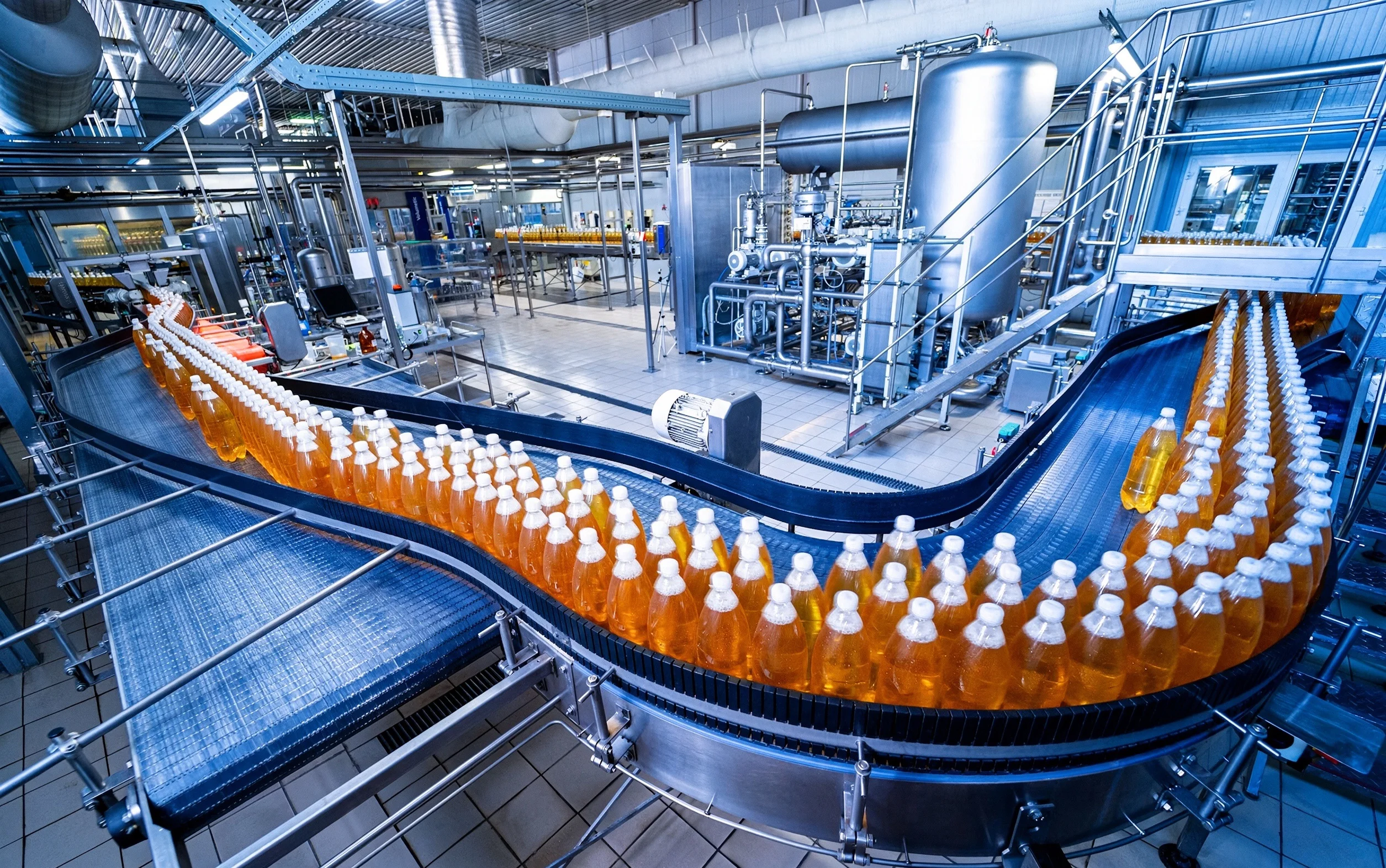
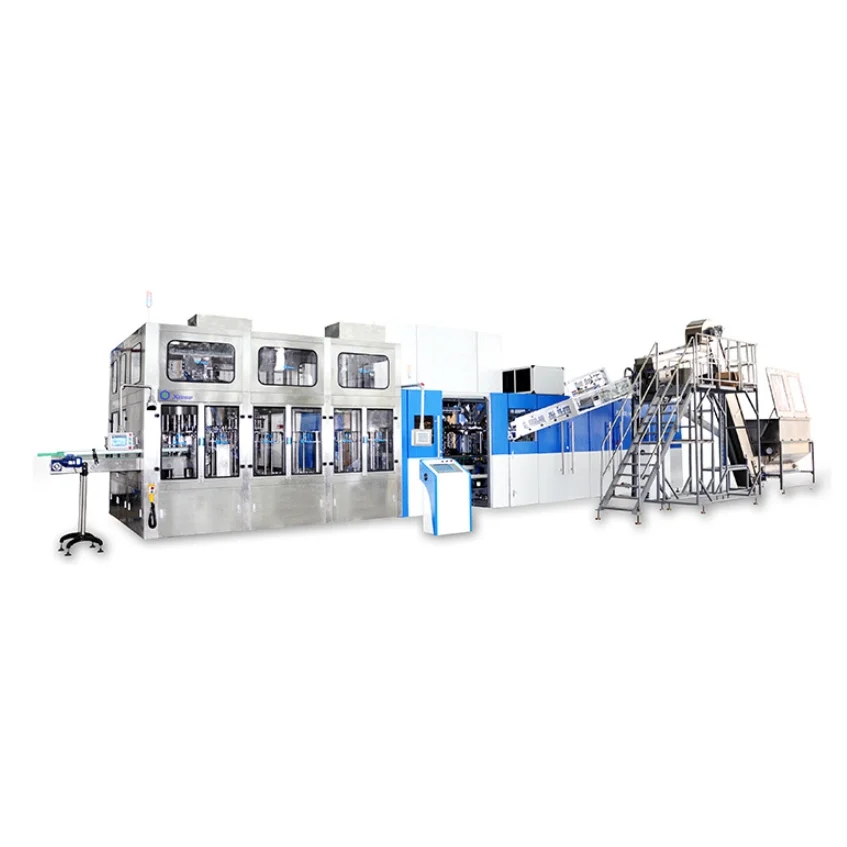
Traditional bottling operations may require separate machines and more manual handling between processes. Modern plants increasingly use connected equipment that allows bottles to move automatically from bottle production to filling, capping, labeling, conveying, and secondary packaging.
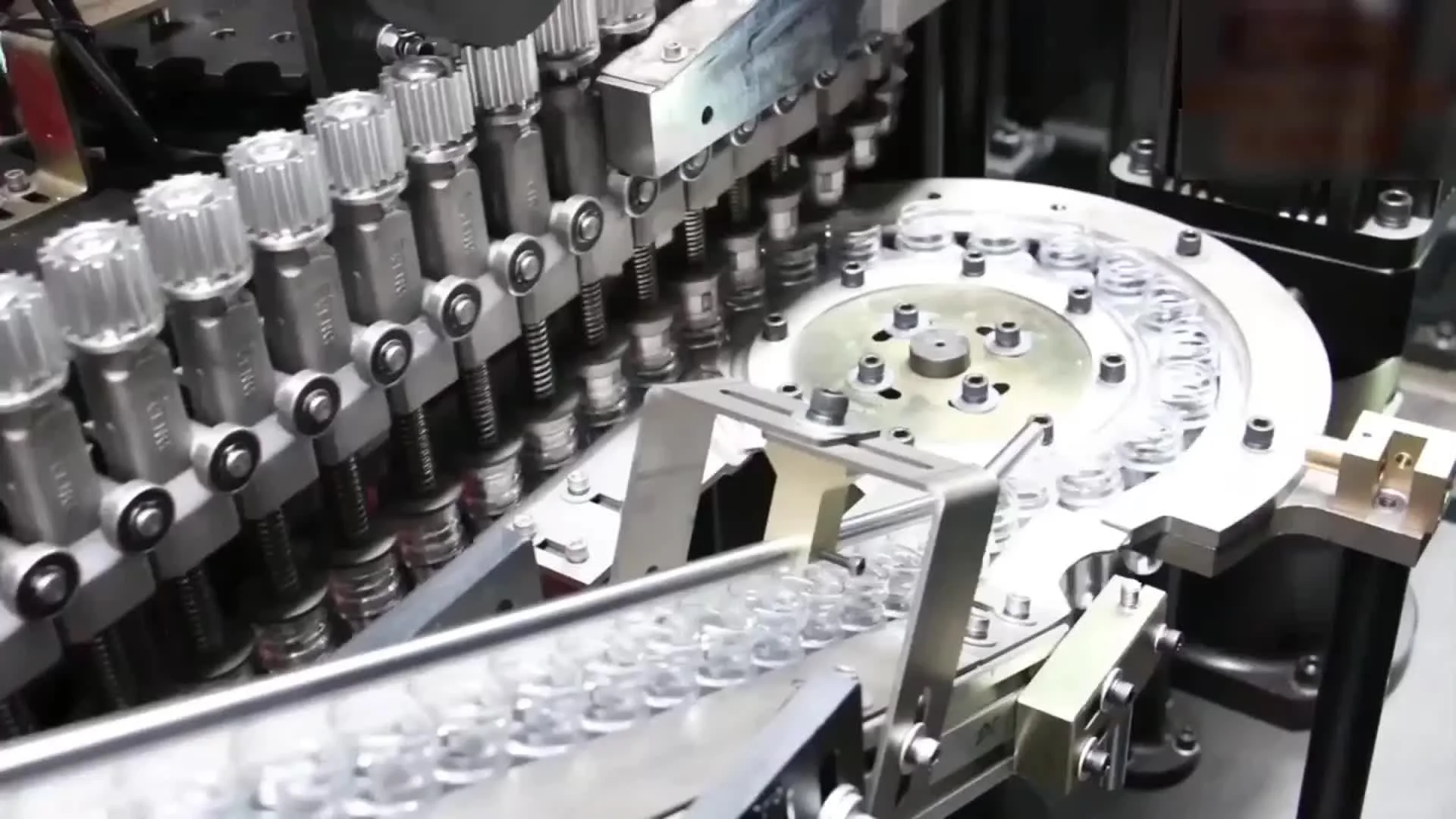
For example, an integrated PET bottle production process can include preform heating and bottle blowing, followed by rinsing, filling, and capping. This reduces unnecessary bottle handling and helps limit the risk of contamination during production.
Automatic systems also make production easier to monitor. Operators can focus on equipment supervision, quality inspection, and process management instead of repeatedly performing manual loading or transfer operations.
For producers evaluating equipment options, a specialized automatic water filling machine should therefore be considered as part of the complete production line rather than as an isolated piece of equipment.
2. More Precise Filling and Better Product Consistency
Filling accuracy is another major area of development.
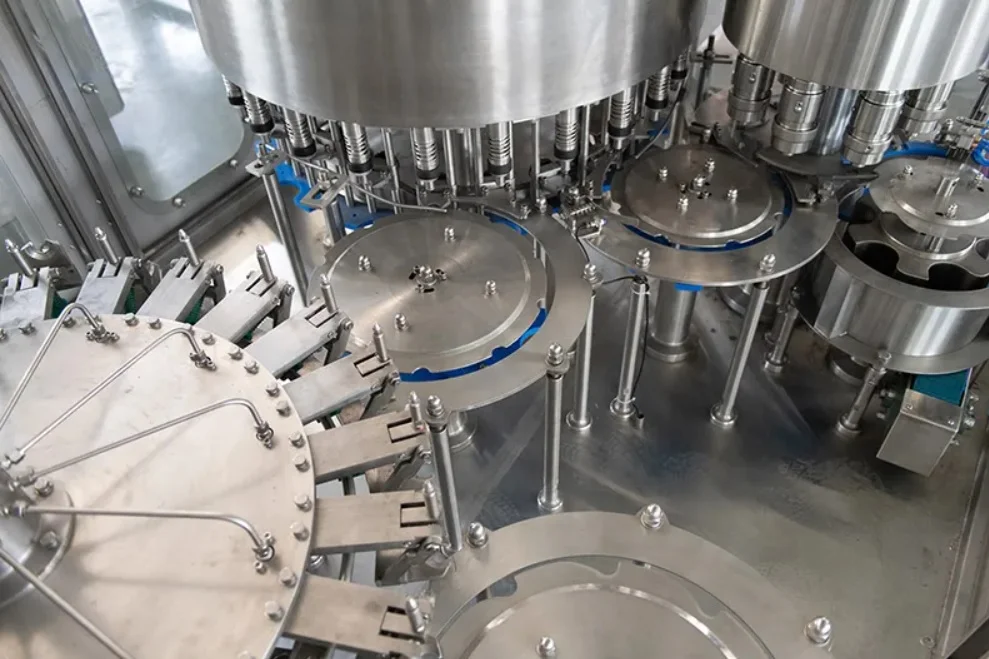
Water products require stable filling levels and reliable control. Small variations may affect product appearance, downstream packaging, and customer perception. Automatic filling machines are increasingly designed to maintain consistent filling performance through improved valves, sensors, control systems, and mechanical structures.
The filling process also needs to match the characteristics of the product and container. Different bottle sizes, neck designs, production capacities, and water types can require different equipment configurations.
Modern systems therefore emphasize adjustable parameters and precise process control. Instead of relying heavily on manual adjustment, operators can set and monitor important production parameters through an automated control interface.
This is particularly useful for factories producing multiple bottle formats. Proper equipment configuration can reduce changeover difficulties and make the production line more flexible.
3. Integration with Water Treatment Systems
Automatic filling technology is developing alongside water treatment technology.
A filling machine cannot compensate for unstable water quality. Before water reaches the filling section, it may need to pass through processes such as filtration, activated carbon treatment, softening, reverse osmosis, ultraviolet sterilization, ozone treatment, or other purification and disinfection processes, depending on the water source and product requirements.
For this reason, modern bottled water projects increasingly treat water treatment and filling as one connected production system.
A stable water treatment system provides consistent feed water for the filling process, while automated controls can coordinate water production, storage, circulation, and filling according to plant requirements.
Pengxiang Huixing provides water treatment production lines as well as beverage filling and packaging equipment, allowing customers to consider these processes together during project planning.
4. Smarter Control and Real-Time Monitoring
Automation is also moving toward smarter control.
Today's production lines can collect information from sensors and equipment components during operation. Parameters such as production status, filling conditions, equipment alarms, and cleaning processes can be monitored through centralized control systems.
For plant operators, the practical value is straightforward: problems can be identified earlier, production conditions can be checked more easily, and equipment adjustments can be made based on actual operating information.
This trend is especially important for larger beverage factories. When multiple machines operate simultaneously, relying on manual observation alone becomes inefficient.
Intelligent control also supports the development of smart workshops and smart factories. Production equipment, cleaning systems, conveying systems, and packaging equipment can be planned as a coordinated system instead of independent units.
5. Greater Attention to Hygiene and Cleaning
Hygiene has always been critical in water and beverage production, but automated cleaning is becoming increasingly important.
Modern filling lines are commonly designed to reduce areas where product residue or contaminants can accumulate. Smooth product-contact surfaces, suitable materials, sanitary piping, and automated cleaning procedures all contribute to better production hygiene.
Clean-in-place systems are particularly valuable because they can clean internal pipelines, tanks, valves, and other components without requiring extensive manual disassembly.
Pengxiang Huixing also provides on-site automatic cleaning systems, intelligent cleaning systems, and industrial cleaning solutions. These systems can be integrated into beverage production projects according to the equipment configuration and factory requirements.
A practical cleaning strategy should consider not only the filling machine but also water treatment equipment, product pipelines, storage tanks, and other product-contact components.
6. Energy and Water Efficiency Are Becoming More Important
Another major trend is the effort to reduce resource consumption.
Water and beverage plants consume water not only as a finished product but also during equipment cleaning, bottle rinsing, floor cleaning, and other production activities. Energy is also required for water treatment, compressed air, bottle blowing, pumping, refrigeration, and other processes.
Equipment manufacturers are therefore paying more attention to efficient system design.
For example, optimized bottle-blowing systems can reduce unnecessary energy consumption, while improved filling and rinsing processes can help control water use. Automated cleaning systems can also be designed around defined cleaning procedures rather than excessive manual water consumption.
For a new factory, these improvements should be considered during the overall plant design stage. It is often more effective to optimize the relationship between different systems than to improve individual machines separately.
7. Flexible Production for Different Bottle Formats
The bottled water market includes many container formats, from small portable bottles to larger household and commercial containers.
This creates a demand for flexible filling equipment.
A production line may need to handle different bottle volumes, bottle heights, cap types, or packaging formats. Quick and reliable changeover has therefore become an important consideration when selecting equipment.
The goal is not simply to make a machine capable of handling multiple bottle sizes. The complete production line—including bottle blowing, filling, capping, labeling, conveying, and secondary packaging—needs to accommodate the required formats.
This is where complete engineering experience becomes valuable. Equipment selection should be based on actual production requirements, rather than selecting individual machines first and attempting to connect them later.
8. More Complete Production Line Integration
The future of automatic water filling is closely connected with complete-line integration.
A modern bottled water project may include:
-
Water treatment equipment
-
Preform heating and PET bottle blowing equipment
-
Bottle rinsing, filling, and capping systems
-
Labeling equipment
-
Conveying systems
-
Secondary packaging equipment
-
Automatic cleaning systems
-
Sterilization equipment
-
Production monitoring and control systems
When these systems are designed together, manufacturers can better coordinate production capacity, material flow, equipment layout, utilities, cleaning procedures, and packaging requirements.
Pengxiang Huixing focuses on high-end planning and design for smart workshops and smart factories. Its product range covers water treatment, beverage pretreatment, PET blow molding, blow-fill-cap lines, blow-label-fill-cap lines, labeling, conveying, and secondary packaging.
This integrated approach is particularly useful for customers building new beverage plants or upgrading existing facilities.
9. Equipment Reliability and Easier Maintenance
Automation only creates value when equipment can operate reliably.
As filling lines become faster and more automated, manufacturers are placing greater emphasis on equipment durability, maintenance access, component quality, and fault diagnosis.
A well-designed machine should allow operators and maintenance personnel to identify common problems quickly. Sensors, alarms, control interfaces, and modular components can all contribute to easier maintenance.
Preventive maintenance is also becoming more important. Instead of waiting for a failure to stop production, operators can establish regular inspection schedules for filling valves, pumps, conveyors, sealing components, electrical systems, and other critical parts.
This approach helps maintain stable production and reduces unexpected downtime.
10. From Individual Machines to Complete Factory Solutions
The most significant trend may be the shift from purchasing individual machines toward complete production solutions.
A beverage manufacturer does not simply need a filling machine. It needs a production process that starts with water treatment and raw materials and ends with finished products ready for storage, logistics, and distribution.
Pengxiang Huixing has been engaged in beverage packaging machinery technology for around 20 years. The company integrates R&D and manufacturing and provides solutions covering water treatment, beverage pretreatment, PET bottle blowing, filling, capping, labeling, conveying, packaging, cleaning, and related systems.
Its equipment has been supplied to customers in more than 20 provinces in China and exported to markets including the UAE, Oman, Vietnam, the Philippines, Malaysia, and other countries and regions. The company has also obtained ISO9000 quality management system certification and has been recognized as a Chinese high-tech enterprise.
For customers, this broader engineering capability can simplify project coordination and help ensure that different production stages work together properly.
What Should Beverage Producers Consider When Upgrading?
Technology trends are useful only when they solve real production problems. Before selecting an automatic water filling system, manufacturers should first define several practical requirements:
-
Production capacity: Determine the required bottles per hour and expected future growth.
-
Bottle specifications: Confirm bottle volume, neck size, shape, and material.
-
Water characteristics: Analyze the source water and determine the required treatment process.
-
Factory layout: Reserve appropriate space for equipment, operators, maintenance, storage, and material flow.
-
Cleaning requirements: Plan automatic cleaning and sanitation procedures from the beginning.
-
Packaging requirements: Consider labeling, conveying, carton or film packaging, and palletizing needs.
-
Automation level: Decide how much manual intervention is appropriate for the production process.
-
Future expansion: Leave sufficient flexibility for additional production capacity or new bottle formats.
These points can prevent a common problem: choosing equipment based only on the specifications of one machine without considering how it will operate within the entire factory.
Conclusion
Automatic water filling technology is moving toward greater automation, more precise control, improved hygiene, better resource efficiency, flexible production, and complete-line integration.
For beverage manufacturers, the practical goal is not simply to install a faster filling machine. The real objective is to build a stable production system in which water treatment, bottle production, filling, capping, labeling, conveying, cleaning, and packaging work together efficiently.
With its experience in beverage packaging machinery, water treatment systems, PET blow molding, filling and capping lines, labeling, conveying, cleaning, and secondary packaging, Pengxiang Huixing is positioned to support customers from individual equipment selection to complete smart factory planning.
As beverage production continues to become more automated, manufacturers that plan equipment around the entire production process will be better prepared to improve efficiency, maintain consistent product quality, and respond to changing market requirements.