


In today’s rapidly evolving beverage industry, efficiency, precision, and hygiene have become more than just desirable traits—they are essential for success. Modern water plants face increasing pressure to meet rising consumer demand while maintaining strict quality standards. This is where automatic water filling machines have become indispensable. By integrating cutting-edge technology into the production line, these machines ensure consistent quality, reduce labor costs, and optimize overall plant performance.
The Growing Need for Automation in Water Production
The global demand for bottled water continues to rise, fueled by consumer preferences for convenience, health, and safety. Traditional manual filling processes are no longer sufficient to handle large-scale production while maintaining product integrity. Manual operations are prone to human error, slower output, and inconsistent fill levels, all of which can compromise the quality and efficiency of a water plant.
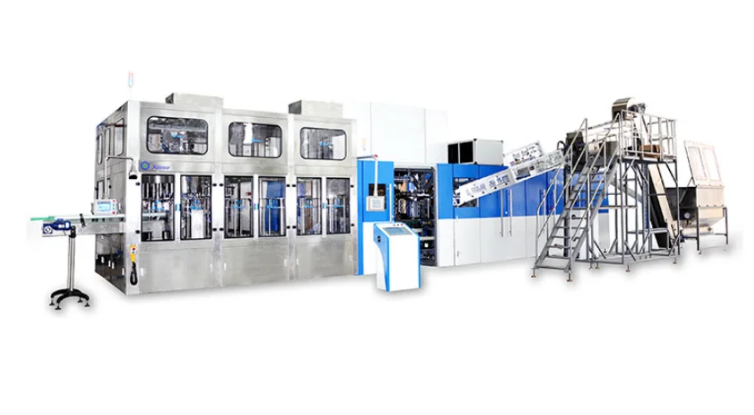
Automatic water filling machines, such as those offered by Pengxiang Huixing are designed to address these challenges. They streamline the water bottling process from start to finish, allowing plants to operate at higher speeds with minimal human intervention. The integration of these machines enables water plants to scale up production without sacrificing hygiene or operational efficiency.
Key Advantages of Automatic Water Filling Machines
1. Enhanced Production Efficiency
One of the most obvious benefits of automatic water filling machines is the significant increase in production efficiency. These machines can handle high volumes of bottles per hour, far exceeding the capacity of manual operations. Automated systems are capable of performing multiple functions—rinsing, filling, and capping—in a single line. This consolidation reduces bottlenecks, speeds up production cycles, and ensures that plants can meet market demands consistently.
For example, Pengxiang Huixing provides bottle filling, capping, and labeling integrated production lines that streamline operations and minimize downtime. By combining these functions in one automated system, water plants can maintain continuous production while reducing labor dependency.
2. Consistent Product Quality
Maintaining consistent quality is crucial in the water industry. Automated water filling machines ensure precise fill levels and uniform capping, minimizing spillage and wastage. These machines are engineered to operate under strict hygienic standards, reducing the risk of contamination. Advanced systems incorporate sensors and programmable controls that monitor every stage of the filling process, ensuring that each bottle meets rigorous quality requirements.
Pengxiang Huixing’s equipment is designed with food-grade materials and automated cleaning systems to comply with international safety standards. By investing in such technology, water plants can ensure that every bottle leaving the production line is safe, clean, and correctly filled.
3. Improved Hygiene and Safety
Hygiene is paramount in the water production industry. Manual handling increases the risk of contamination, which can compromise the safety of the product and the reputation of the brand. Automatic water filling machines drastically reduce human contact with the product. Many systems feature enclosed environments, sterile filling nozzles, and automated rinsing units that maintain cleanliness throughout production.
Pengxiang Huixing goes a step further with onsite automatic cleaning systems and industrial sterilization solutions. These systems ensure that machinery and bottles are consistently sanitized, reducing the risk of microbial contamination and meeting strict food safety regulations.
4. Cost Efficiency and Labor Savings
While the initial investment in automatic water filling machines may be substantial, the long-term savings are significant. Automation reduces the need for manual labor, lowering operational costs. Moreover, automated machines are more energy-efficient and produce less wastage, contributing to a lower overall cost per bottle. By optimizing production, plants can achieve higher output without proportionally increasing staffing or resource consumption.
Pengxiang Huixing’s comprehensive production solutions, including PET blowing machines and blow-fill-seal lines, allow water plants to maximize efficiency, from the creation of bottles to the final packaging stage. This end-to-end automation minimizes resource usage while maintaining high production standards.
5. Flexibility and Scalability
Modern water plants require flexibility to adapt to changing market demands. Automatic water filling machines offer scalable solutions that can handle different bottle sizes, types, and production volumes. Whether a plant needs to produce small bottles for retail or large jugs for commercial distribution, automated systems can be adjusted to meet these requirements without disrupting overall operations.
Pengxiang Huixing specializes in designing customizable production lines for both PET bottles and larger containers. Their expertise in intelligent factory planning and beverage packaging machinery ensures that plants can scale production efficiently and remain competitive in dynamic markets.
6. Integration with Smart Factory Solutions
Automation today extends beyond filling bottles—it encompasses entire smart factory solutions. Automatic water filling machines can be integrated with conveying systems, labeling equipment, and secondary packaging machines to create a fully automated production ecosystem. This connectivity allows real-time monitoring, predictive maintenance, and data-driven decision-making, improving operational control and reducing downtime.
Pengxiang Huixing’s focus on high-end intelligent factory design and integration of production, packaging, and logistics systems exemplifies how automation transforms water plants into smart, efficient operations capable of meeting global standards.
Real-World Applications
Automatic water filling machines are not limited to bottled water. They are essential in producing mineral water, fruit juices, carbonated beverages, and other liquid products. For instance, a plant equipped with Pengxiang Huixing’s fruit juice and carbonated beverage production lines can maintain high efficiency while ensuring consistent quality across different product types. The machines’ versatility allows beverage manufacturers to diversify their offerings without additional investment in separate production lines.
Moreover, these machines facilitate compliance with regulatory requirements by ensuring accurate fill levels, hygienic operations, and reliable traceability. For water plants exporting to international markets, adherence to global standards is essential, and automation helps achieve this consistently.
Conclusion
Automatic water filling machines have become a cornerstone of modern water plant operations. By enhancing production efficiency, ensuring consistent quality, improving hygiene, reducing labor costs, and offering scalable solutions, these machines provide a competitive edge in an increasingly demanding market. Companies like Pengxiang Huixing lead the way in delivering innovative, integrated solutions that cover the entire beverage production lifecycle—from bottle production to packaging, storage, and distribution.
For water plants aiming to thrive in today’s fast-paced and quality-conscious market, investing in automatic water filling machines is not just an option—it is a necessity. As the industry continues to evolve, automation will remain the key driver of efficiency, quality, and sustainability.