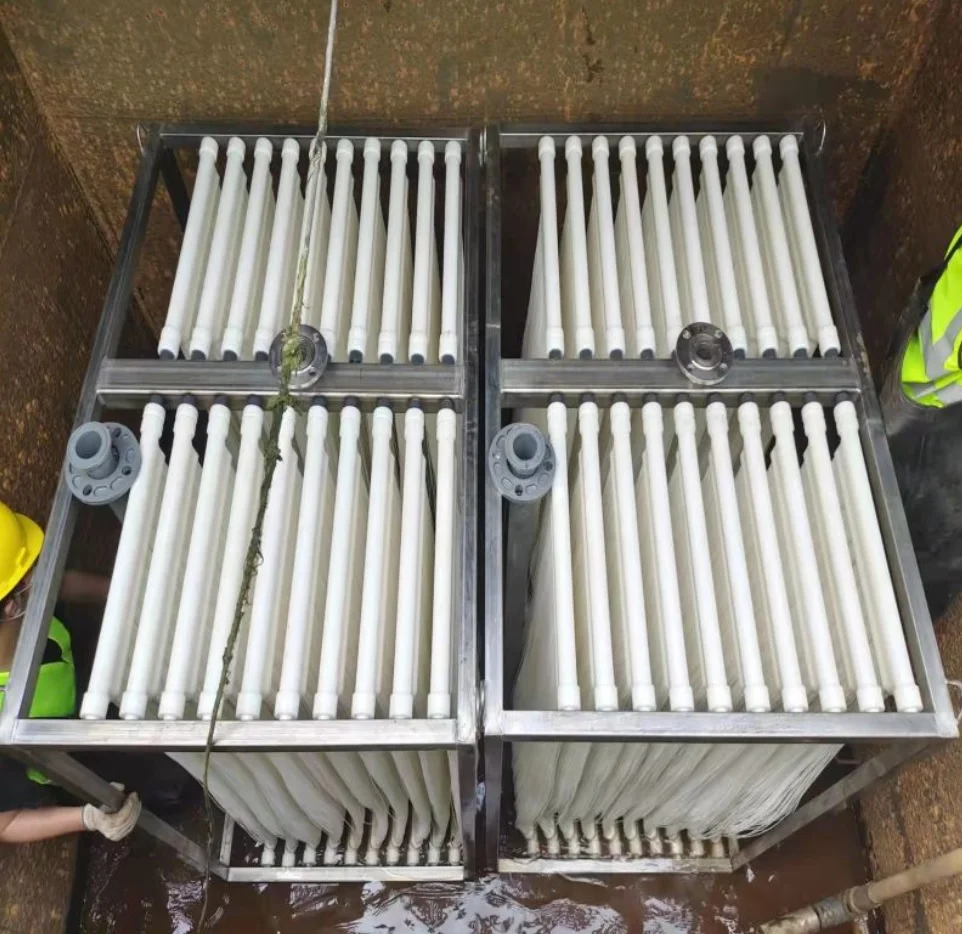


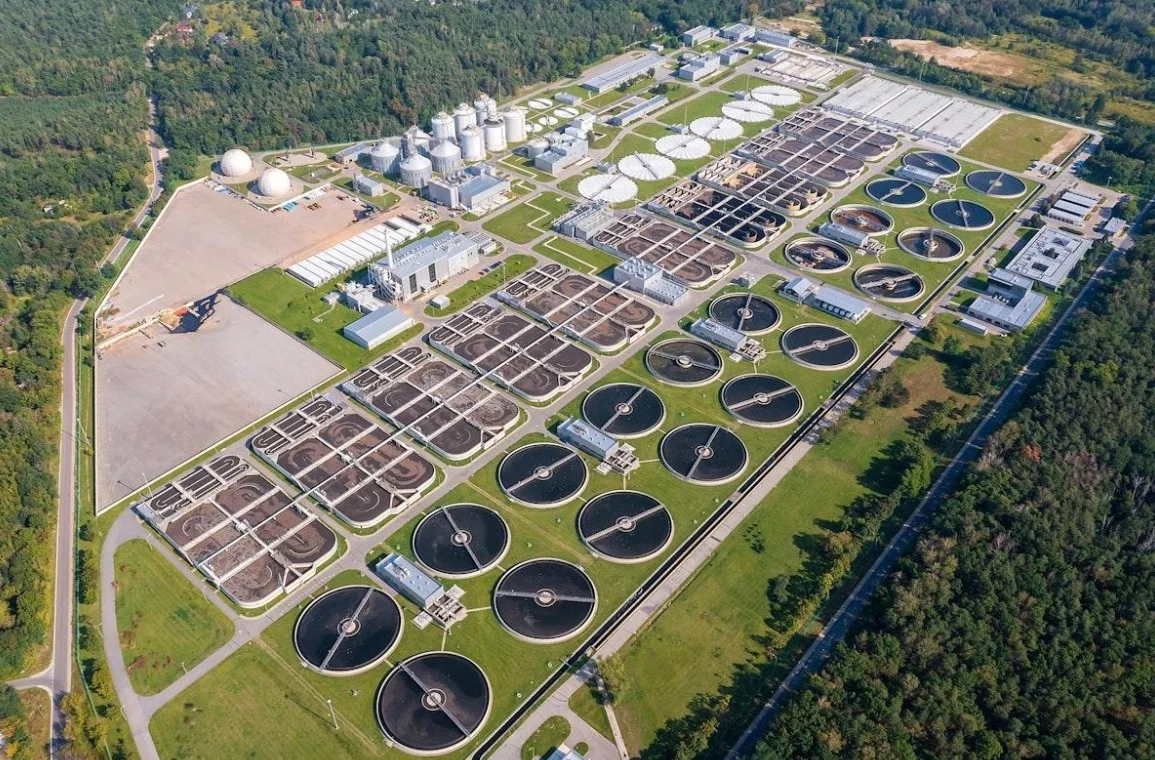
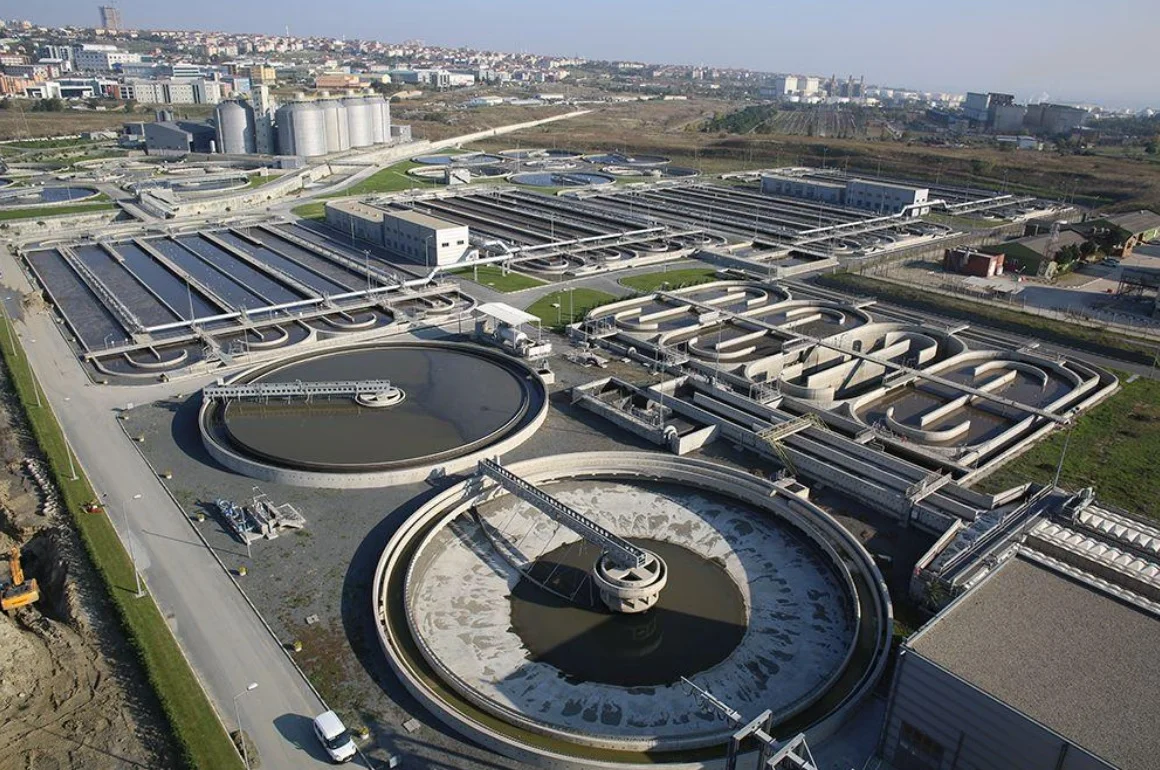
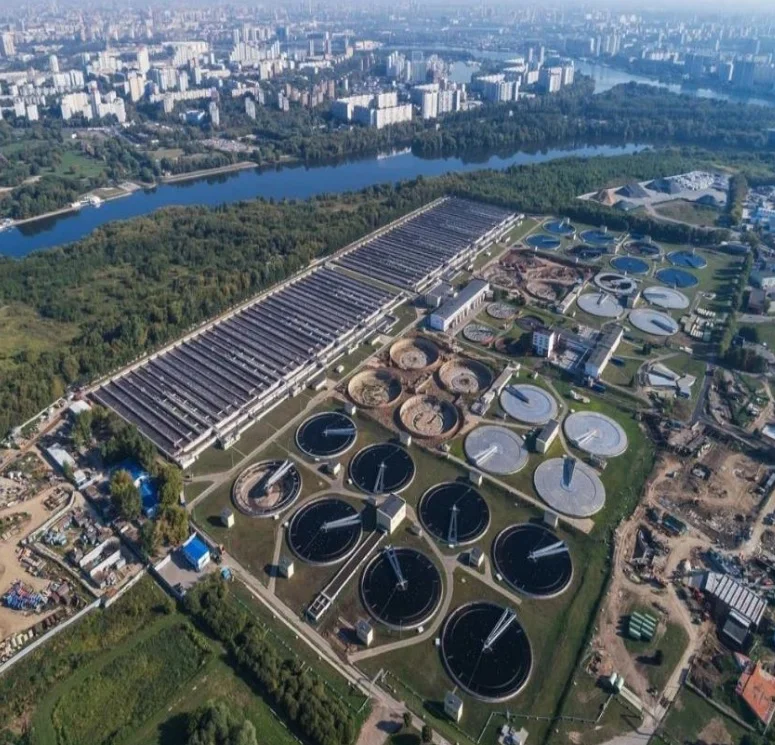
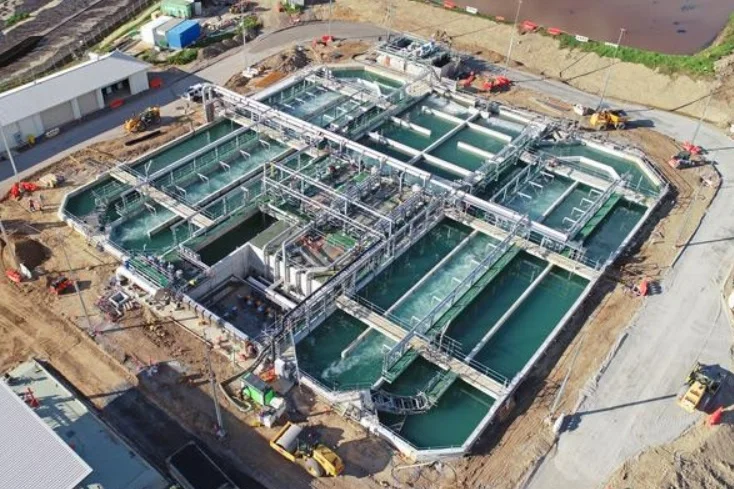
Sewage Treatment Plant
- Capacity10-10,000 m³/day
- Membrane materialPVDF
- Pore size0.1-0.4 μm
- Operating temperature5-40°C
- pH range6-9
- BOD removal efficiency>95%
- COD removal efficiency>90%
- Suspended solids removal>99%
Sewage Treatment Main Equipment
Preliminary / Primary Treatment
- Bar Screen / Mechanical Screen :Remove large debris, rags, plastics and branches.
- Grit Chamber :Separate sand, grit and heavy inorganic particles.
- Sewage Submersible Pump :Transport sewage between tanks.
- Primary Clarifier :Sedimentation of suspended solids and settleable organic sludge.
- DAF (Dissolved Air Flotation):Remove oil, grease and fine suspended solids.
Secondary / Biological Treatment
- Aeration Tank + Blower + Diffuser :Supply oxygen for aerobic microbes to decompose organic pollutants (BOD/COD).
- Secondary Clarifier :Separate biological sludge from treated water; sludge return to aeration tank.
- MBR Membrane Bioreactor :Integrate biological degradation and membrane filtration; replace secondary clarifier.
Tertiary Advanced Treatment
- Multi-media Filter :Remove residual suspended solids, reduce turbidity and SDI.
- Activated Carbon Filter :Adsorb color, odor and residual organics.
- UV Disinfection / Chlorination System:Kill bacteria and pathogens before discharge.
Sludge Treatment
- Sludge Thickener :Reduce sludge volume.
- Screw Press / Filter Press :Sludge dewatering, reduce moisture content.
Instrument & Control
pH meter, DO sensor, flow meter, online monitoring system, SCADA.
Advantages
High removal rate of COD, BOD, SS, nitrogen and phosphorus, meet discharge standards.
Modular design, can be customized for municipal sewage, domestic sewage and different industrial wastewater
Rely on microbial degradation, less chemical consumption compared with pure chemical treatment.
Add tertiary filtration system to realize effluent reuse for irrigation, site washing and process water
Equipped with sensors and PLC control, reduce manual operation workload
Containerized integrated sewage treatment plant, small footprint, easy installation and relocation.
Site Requirements
- Available land area
- Power supply:Voltage, 3phase/1phase, Frequency
- Whether have equalization tank already
- Sludge disposal requirement
Frequently Asked Questions
What pollutants can sewage treatment systems remove?
Mainly BOD, COD, suspended solids(SS), ammonia nitrogen, total phosphorus, pathogens. For special industrial sewage, heavy metals and refractory organics need extra advanced treatment.
What is the difference between STP and ETP?
STP (Sewage Treatment Plant) mainly treats domestic / municipal sewage. ETP (Effluent Treatment Plant) is for factory industrial wastewater with complex chemical pollutants.
How long is the hydraulic retention time (HRT)?
Normally 8–24 hours for conventional activated sludge process. MBR can achieve better effluent quality with shorter HRT.
What causes bad odor in sewage treatment plant?
Odor mainly comes from hydrogen sulfide generated under anaerobic conditions. We can equip tank cover + biofilter deodorization system.
How often do we need maintenance?
Daily check of pumps, blowers and sensors; weekly sludge sampling test; regular membrane cleaning if MBR adopted. Sludge dewatering shall be operated periodically.
Can treated water be reused?
Yes. After tertiary filtration and disinfection, the effluent can be reused for irrigation, road washing, workshop cleaning, not for drinking unless further advanced purification.
What if the influent water quality fluctuates greatly?
Add equalization tank to balance water volume and water quality. Install online monitoring and automatic dosing system to adjust operation parameters.
What to do with the dewatered sludge?
Dewatered sludge can be transported for landfilling, incineration or resource utilization (compost, biogas production), complying with local environmental regulations.
Send Your Requirements
- Project location(Country/City) —
- Application: Type of sewage — Domestic sewage / Industrial wastewater
- Treatment capacity — ____ m³/day or ___ m³/h
- Operation mode — 24h continuous / Intermittent operation
- Installation type — Buried / Above ground / Containerized
- Influent Quality — - CODcr: ____ mg/L - BOD5: ____ mg/L - SS Suspended solids: ____ mg/L - NH3-N Ammonia nitrogen: ____ mg/L - TP Total phosphorus: ____ mg/L - pH: ____ - Temperature:____ ℃ - Special contaminants:oil /heavy metal /color etc
- Effluent Discharge Standard — - Required discharge standard- Required effluent indexes COD____, BOD____, SS____, NH3-N____, TP____, pH____ - Purpose of effluent:Discharge to river / Reuse (irrigation, washing)
- Process preference — A/O/ A²O / MBR / SBR
- Membrane option ? — MBR / PVDF hollow fiber
- Automation — Manual / Semi-auto / Full automatic PLC+HMI
- Odor control requirement —
- Material requirement: — Carbon steel / SS304 / SS316
- Destination port & delivery term —