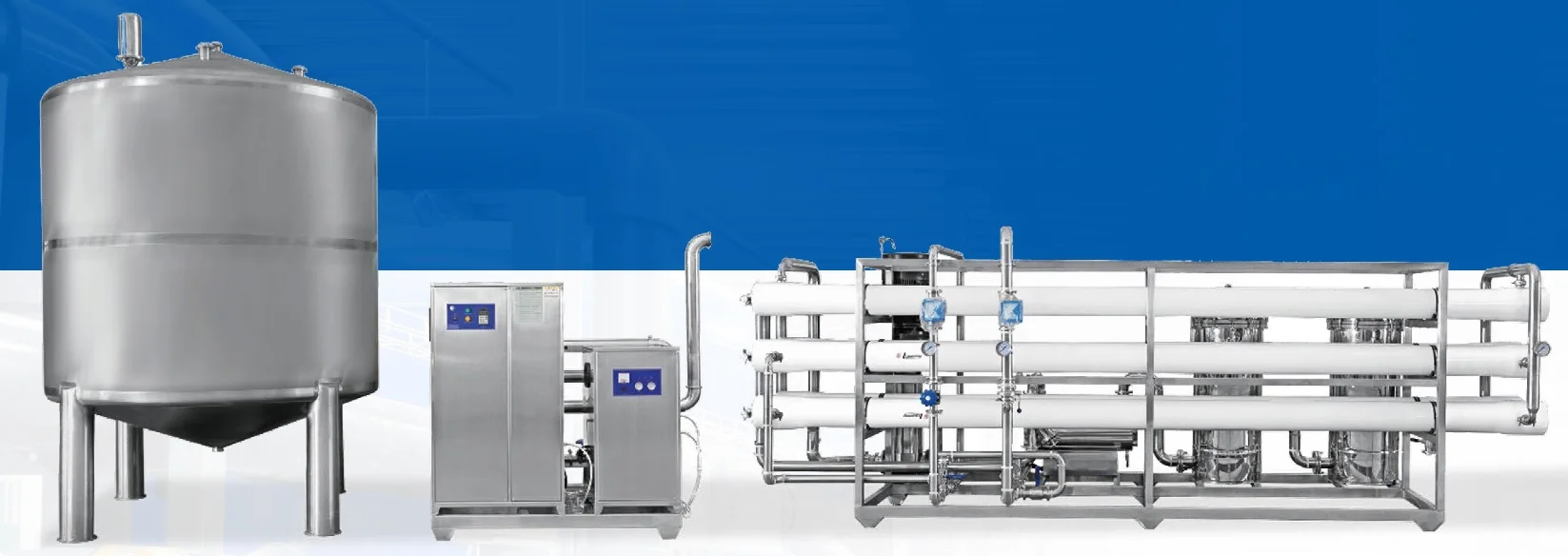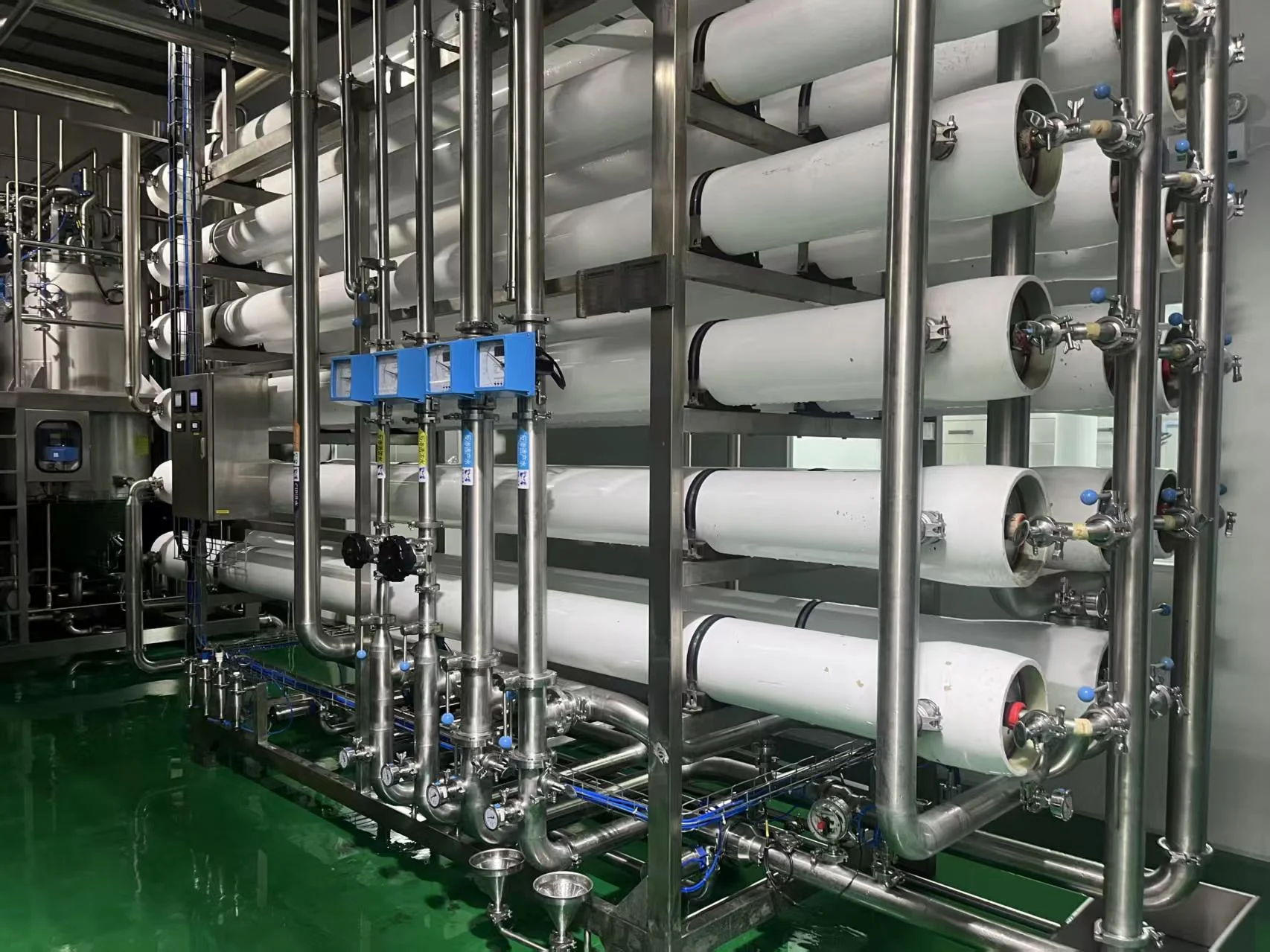


Precision filtration is an essential part of many industrial processes where water quality, product consistency, equipment protection, and process stability directly affect production results. Unlike basic filtration, precision filters are designed to remove fine suspended particles and other contaminants that may otherwise pass through conventional treatment stages.
In industries such as beverage production, food processing, pharmaceuticals, electronics, chemicals, and general manufacturing, filtration is rarely an isolated operation. It is normally integrated into a wider process that includes water treatment, cleaning, production, filling, packaging, and equipment maintenance.
For modern beverage factories in particular, choosing the right filtration solution can help protect downstream equipment while supporting stable production. This is one reason precision filters have become an important component of integrated water treatment and beverage processing systems.
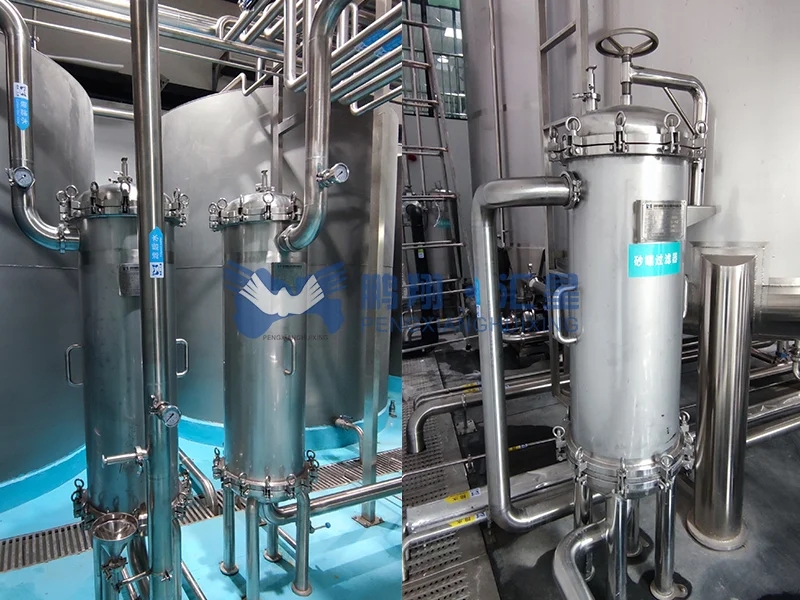
What Are Precision Filters?
Precision filters are filtration devices designed to remove relatively fine particles from liquids. Depending on the application, filter elements may be made from polypropylene, stainless steel, membranes, pleated materials, or other specialized media.
The filtration rating is selected according to the actual process requirements. A coarse filter may be suitable for protecting pumps and removing larger particles, while a finer filter can be installed before sensitive equipment or a final processing stage.
A practical filtration system may therefore use several levels of filtration rather than relying on a single filter. Each stage performs a specific task and reduces the contaminant load placed on the following stage.
For industrial users, the important question is not simply how fine a filter can be. The better question is whether the filter matches the water source, flow rate, contaminant characteristics, pressure requirements, cleaning method, and downstream equipment.
1. Precision Filtration in Water Treatment
Water treatment is one of the most common applications for precision filters.
Raw water can contain suspended solids, sediment, rust particles, organic matter, and other contaminants. Depending on the source, these materials may create problems for pumps, pipes, membranes, filling equipment, and other components.
A typical treatment process may combine several technologies, such as multimedia filtration, activated carbon filtration, softening, precision filtration, membrane treatment, and disinfection.
Precision filtration is often used as a protective stage before more sensitive treatment equipment. For example, reducing fine particles before a membrane system can help lower the particulate load reaching the membrane and support more stable operation.
In a beverage factory, filtration can also form part of the process water preparation system. The actual configuration should be determined by raw-water analysis and the required finished-water quality rather than by using a standard configuration for every project.
2. Beverage Production and Bottled Water
The beverage industry places strict demands on water quality and process hygiene. Water may be used as a major ingredient, as cleaning water, or as part of equipment operation.
For bottled water production, precision filtration can be incorporated into the water treatment line to remove fine particles before subsequent purification or sterilization processes.
For carbonated soft drinks, fruit beverages, and other liquid products, filtration may be used at different points depending on the recipe and production technology. The objective can include protecting equipment, controlling suspended particles, or improving process consistency.
Pengxiang Huixing provides integrated solutions covering water treatment and beverage production equipment. Its product range includes water treatment production lines, beverage filling equipment, complete production lines for mineral water, juice and carbonated beverages, as well as automated cleaning systems.
This integrated approach is important because filtration performance should be considered together with the rest of the production line. A filter that works well under one flow condition may create unnecessary pressure loss or maintenance requirements if it is incorrectly sized for another process.
3. Food and Beverage Processing
Food processing plants use water and liquid filtration in many different operations, including ingredient preparation, washing, processing, and equipment cleaning.
In these environments, filtration requirements can vary significantly. A process handling relatively clean water may require a different filter arrangement from one dealing with liquids containing higher levels of suspended solids.
Filter selection should consider:
-
Required filtration accuracy
-
Liquid characteristics
-
Flow rate
-
Operating temperature
-
Pressure
-
Filter material compatibility
-
Cleaning and replacement requirements
-
Applicable hygiene standards
A well-designed system should also make inspection and maintenance straightforward. Operators need to know when a filter element requires cleaning or replacement, and differential pressure monitoring can provide a useful indication of filter loading.
4. Pharmaceutical and High-Hygiene Applications
Pharmaceutical and other high-hygiene industries require carefully controlled process conditions. Filtration can be used to remove particles from process water, cleaning fluids, and other liquids before critical production stages.
In these applications, the filter material, housing construction, sealing method, sterilization compatibility, and installation conditions all matter.
The filtration stage should also be incorporated into the overall hygienic design. Dead legs, difficult-to-clean areas, unsuitable connections, or poor drainage can undermine an otherwise effective filtration system.
This demonstrates an important principle: precision filtration is not simply about choosing a filter cartridge with a small micron rating. The entire system needs to be designed around the process.
5. Chemical and Industrial Manufacturing
Chemical plants and general industrial facilities often handle liquids with different viscosities, temperatures, and chemical properties. Precision filters may be used to protect pumps, valves, heat exchangers, nozzles, and other process components.
For example, fine particles entering a spray nozzle or precision component can cause blockage and reduce production stability. Installing an appropriate filter upstream can provide a relatively simple way to reduce this risk.
However, chemical compatibility must be checked before selecting filter media and housing materials. A filter suitable for water is not automatically suitable for an aggressive chemical solution.
Industrial operators should therefore evaluate the complete operating environment rather than selecting a filter based only on filtration accuracy.
6. Protecting Membrane Systems
Membrane systems such as ultrafiltration, nanofiltration, and reverse osmosis require effective pretreatment. Fine suspended particles can contribute to fouling and increase the maintenance burden on downstream membranes.
Precision filters are often installed as part of this pretreatment strategy.
The purpose is not to replace membrane technology but to reduce the particle load entering the membrane system. When combined with appropriate upstream treatment, precision filtration can contribute to more stable membrane operation.
The correct filter rating depends on the membrane manufacturer's requirements, water characteristics, and overall system design.
7. Supporting CIP and Industrial Cleaning Systems
Cleaning is a critical part of beverage production. Production lines, tanks, pipelines, filling machines, and other equipment may require Cleaning-in-Place (CIP) systems to maintain hygienic operating conditions.
Filtration can also play a role in cleaning systems by controlling particulate contamination in cleaning liquids or protecting circulation components.
Pengxiang Huixing develops automated CIP systems, intelligent cleaning systems, and industrial cleaning solutions alongside beverage processing and packaging equipment. This allows filtration to be considered as part of the complete cleaning and production process rather than as an independent component.
For factories running multiple production cycles every day, such integration can make maintenance and process management more practical.
8. Precision Filtration in Beverage Packaging Lines
Filtration is not limited to water treatment. It can indirectly support the reliability of downstream packaging operations.
A beverage production line may include water treatment, beverage preparation, sterilization, filling, capping, labeling, conveying, and secondary packaging. If the upstream liquid treatment process is unstable, problems can eventually affect downstream production.
Pengxiang Huixing supplies equipment covering several of these stages, including PET blow molding equipment, blow-fill-seal lines, blow-label-fill-seal lines, labeling systems, conveying systems, and secondary packaging equipment.
For a complete production project, this means filtration requirements can be evaluated alongside the production and packaging process. The goal is to create a system in which water quality, equipment protection, cleaning, and packaging efficiency work together.
How to Select the Right Precision Filter
A practical selection process should begin with the actual operating conditions.
First, identify what needs to be removed. Suspended solids, fine particles, scale, organic matter, and microorganisms require different treatment approaches.
Second, determine the required flow rate and operating pressure. A filter that is too small can create excessive pressure loss and require frequent maintenance.
Third, consider the liquid itself. Temperature, pH, viscosity, chemical composition, and compatibility with the filter media can all affect performance.
Finally, consider maintenance. Filter elements should be accessible for inspection, cleaning, and replacement without causing unnecessary production downtime.
For industrial beverage projects, the best solution is normally the one that fits the complete process rather than the one with the smallest nominal filtration rating.
For more information about precision filtration solutions, see the precision filter options available from Pengxiang Huixing.
Building Filtration into a Complete Production Solution
Precision filters are small components compared with complete beverage production lines, but their role can be significant. Proper filtration helps control particles, protect sensitive equipment, support membrane treatment, and maintain more consistent process conditions.
Pengxiang Huixing, based in Songgang, Bao'an District, Shenzhen, is an integrated beverage packaging machinery manufacturer combining research, development, and production. The company has been active in beverage packaging machinery technology for around 20 years and has developed solutions covering water treatment, beverage pretreatment, filling, cleaning, sterilization, PET bottle production, labeling, conveying, and secondary packaging.
Its products have obtained ISO 9000 quality management system certification, and the company has been recognized as a Chinese high-tech enterprise. Its equipment has been supplied to customers across more than 20 provinces in China and exported to markets including the United Arab Emirates, Oman, Vietnam, the Philippines, and Malaysia.
As industrial production becomes more automated, filtration should be treated as one part of a complete process design. When the filter, water treatment system, cleaning system, filling equipment, and packaging line are properly matched, manufacturers can build a more reliable production environment with easier operation and maintenance.
The practical value of precision filtration ultimately comes down to this: remove the right contaminants, at the right stage, with the right equipment, while keeping the entire production process stable and maintainable.