


Activated carbon filters play a critical role in modern industrial processes, especially where water quality, air purity, and process safety are essential. From beverage production to chemical processing, these filters are widely used to remove impurities, odors, chlorine, organic compounds, and trace contaminants that can negatively affect product quality and equipment performance.
As industries continue to pursue higher efficiency, stricter hygiene standards, and sustainable operations, activated carbon filtration has become a core component of many integrated production systems. This article explores the key applications of activated carbon filters across major industries and explains how advanced system integration enhances their performance in real-world production environments.
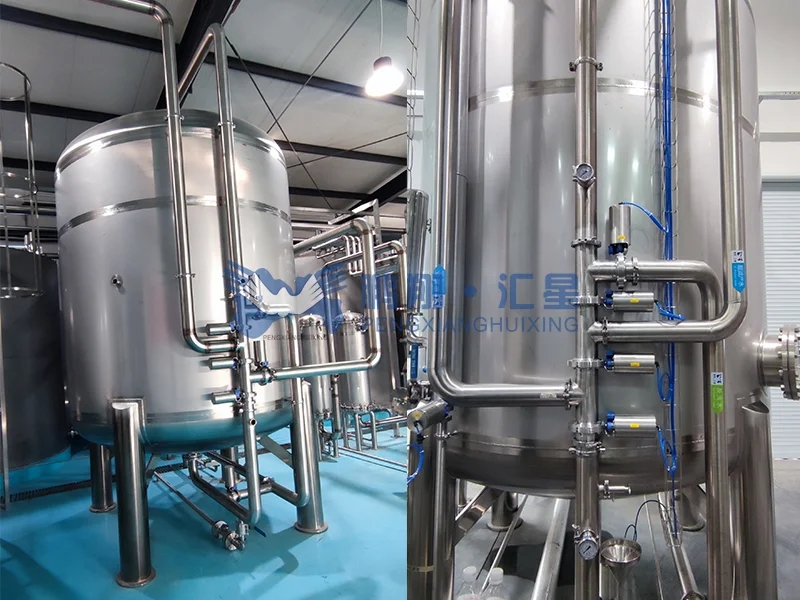
Understanding Activated Carbon Filtration
Activated carbon is a highly porous material processed to create millions of microscopic adsorption sites. These pores attract and trap contaminants through physical adsorption and chemical bonding. Unlike simple mechanical filtration, activated carbon filters are especially effective at removing dissolved organic substances, residual disinfectants such as chlorine, and compounds that cause taste, odor, or discoloration.
Because of this versatility, activated carbon filters are widely used in both pre-treatment and final polishing stages across multiple industrial sectors.
Water Treatment and Purification Systems
Municipal and Industrial Water Treatment
One of the most common applications of activated carbon filters is in water treatment systems. They are used to remove chlorine, chloramines, pesticides, volatile organic compounds (VOCs), and other contaminants from raw or treated water.
In industrial water treatment, activated carbon filtration protects downstream equipment such as membranes, ion exchange resins, and sensitive filling machines. By reducing chemical load and organic matter, it extends equipment lifespan and ensures stable system operation.
Beverage and Bottled Water Production
Water quality is the foundation of beverage production. Even trace impurities can affect taste, clarity, and consistency. Activated carbon filters are therefore a standard component in beverage water pre-treatment systems.
They are commonly used to:
-
Remove chlorine and organic odors
-
Improve taste and mouthfeel
-
Stabilize water composition before mixing and carbonation
-
Protect sterilization and filling equipment
In integrated beverage production lines, activated carbon filtration works in coordination with sand filters, membrane systems, and sterilization units to ensure consistent water quality at scale.
Food and Beverage Processing Applications
Juice, Tea, and Functional Beverages
Beyond water treatment, activated carbon filters are also used in the processing of liquid ingredients. In juice, tea, and functional beverage production, they help remove unwanted color compounds, residual bitterness, and off-flavors that may result from raw materials or extraction processes.
These filters are especially valuable when producing clear beverages or products with delicate flavor profiles, where consistency is critical for brand quality.
Brewing and Carbonated Drinks
In breweries and carbonated beverage plants, activated carbon filtration helps ensure that brewing water is free from chlorine and organic compounds that could interfere with fermentation or carbonation. It also supports stable CO₂ dissolution and prevents taste variations between production batches.
PET Bottle Blowing and Packaging Lines
Equipment Protection and Process Stability
Activated carbon filters are not limited to liquid filtration. In compressed air systems used for PET bottle blowing, filling, and conveying, carbon filters remove oil vapors, odors, and hydrocarbons from compressed air supplies.
Clean, oil-free air is essential for:
-
PET preform blowing
-
Blow-fill-cap integrated systems
-
Hygienic filling environments
-
Product contact safety compliance
By ensuring air purity, activated carbon filtration helps maintain consistent bottle quality and reduces the risk of contamination in high-speed packaging lines.
Pharmaceutical and Medical Industries
In pharmaceutical manufacturing, water purity standards are extremely strict. Activated carbon filters are used as part of multi-stage purification systems for purified water and process water.
They help remove:
-
Trace organic compounds
-
Residual disinfectants
-
Taste- and odor-causing substances that could interfere with formulations
In air filtration applications, carbon filters are also used to control solvent vapors and odors in cleanrooms and production facilities.
Chemical and Industrial Manufacturing
Process Water and Wastewater Treatment
Chemical manufacturing facilities use activated carbon filters to treat both incoming process water and outgoing wastewater. On the intake side, filtration ensures stable raw material quality. On the discharge side, carbon adsorption helps remove organic pollutants before water is released or recycled.
This application supports regulatory compliance and reduces environmental impact.
Industrial Cleaning Systems
In automated cleaning and CIP (Clean-In-Place) systems, activated carbon filters can be used to remove residual chemicals from rinse water, improving cleaning efficiency and reducing chemical consumption over time.
Integrated Systems and Smart Factory Applications
As production environments evolve toward automation and intelligent control, activated carbon filters are increasingly integrated into complete system solutions rather than used as standalone components.
Pengxiang Huixing, headquartered in Shenzhen, China, is a comprehensive beverage packaging machinery manufacturer that integrates activated carbon filtration into full-scale solutions covering:
-
Water treatment systems
-
Beverage pre-treatment lines
-
Blow-fill-cap production lines
-
Labeling, conveying, and secondary packaging systems
-
Intelligent cleaning and industrial cleaning solutions
With over 20 years of experience, the company combines global beverage packaging technologies with continuous innovation, offering end-to-end solutions that span procurement, production, packaging, warehousing, logistics, and distribution. Its products are ISO9000 certified and recognized as high-tech enterprises in China, with installations across more than 20 provinces and exports to the UAE, Oman, Vietnam, the Philippines, Malaysia, and other markets.
By embedding activated carbon filtration within intelligent workshops and smart factory designs, filtration performance becomes measurable, controllable, and optimized across the entire production lifecycle.
Why Activated Carbon Filters Remain Essential
Despite advances in membrane filtration and chemical treatment technologies, activated carbon filters remain indispensable due to their:
-
Broad contaminant removal capability
-
Low energy requirements
-
Compatibility with automated systems
-
Effectiveness in taste, odor, and organic compound control
When properly selected and integrated into a complete system, activated carbon filtration delivers long-term operational value and consistent product quality across industries.
Conclusion
Activated carbon filters are a foundational technology supporting water treatment, beverage production, packaging systems, pharmaceutical manufacturing, and industrial processing. Their versatility and reliability make them an essential component in modern, automated production environments.
As industries continue to prioritize efficiency, safety, and sustainability, the integration of activated carbon filtration into intelligent system designs will remain a key factor in achieving stable, high-quality output across global markets.