


In today’s rapidly evolving beverage industry, sustainability is no longer a buzzword—it is a necessity. Water bottling facilities worldwide are under increasing pressure to reduce environmental impacts while maintaining efficiency and product quality. One of the key areas of focus is the role of water filling machines, which are central to the production line but can contribute significantly to energy consumption, water usage, and waste generation. Companies like Pengxiang Huixing are at the forefront of developing advanced water filling and beverage packaging solutions that aim to balance efficiency with environmental responsibility.
Understanding the Environmental Footprint
Water filling machines, particularly in large-scale bottling operations, consume substantial amounts of energy and water. Traditional machines often rely on high-pressure pumps, extensive cooling systems, and continuous cleaning cycles. While these systems ensure hygiene and consistent quality, they also contribute to environmental stress. Energy consumption not only drives operational costs but also increases carbon emissions, while excessive water use can strain local water resources.
Beyond energy and water, the production of PET bottles and other packaging materials introduces further environmental concerns. The lifecycle of bottled water—from raw material extraction to disposal—carries a significant ecological footprint. Inefficient filling machines can lead to overfilling, spillage, and wastage, exacerbating the problem. By investing in smart, automated systems, bottling companies can mitigate these impacts.
Innovations in Water Filling Machines
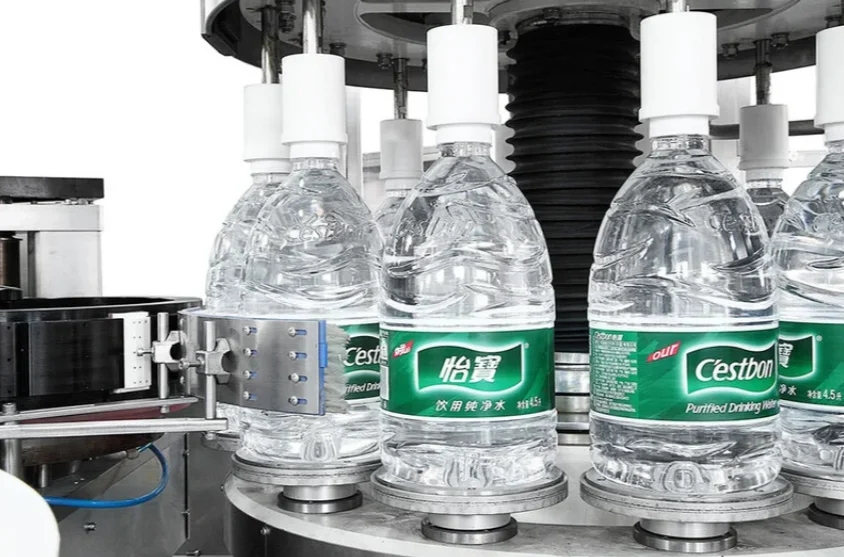
Pengxiang Huixing, based in Shenzhen, China, has been a pioneer in designing comprehensive beverage packaging solutions that integrate advanced water treatment, bottling, and packaging systems. Their offerings include fully automated PET blow molding machines, three-in-one bottle filling and capping lines, and complete juice and carbonated beverage production lines. These systems are engineered not only for productivity but also for resource efficiency.
One of the key innovations is the integration of precise water metering technology. By controlling the exact volume of water dispensed into each bottle, waste is minimized, reducing both water usage and the energy required for subsequent cleaning and sterilization. Moreover, modern machines incorporate energy recovery systems that capture and reuse heat and pressure from the production process, further lowering the carbon footprint.
Water Treatment and Preprocessing
An often-overlooked aspect of environmental responsibility is water quality. High-quality water requires sophisticated treatment to remove impurities, bacteria, and particulates before filling. Pengxiang Huixing provides advanced water treatment systems and beverage pre-treatment solutions, ensuring that the water entering the filling line is clean, safe, and consistent.
By optimizing water treatment, these systems reduce the frequency of machine cleaning cycles, which in turn lowers water and chemical usage. Additionally, high-efficiency filters and membrane systems minimize the release of contaminants into wastewater streams, supporting broader sustainability goals.
Automation and Smart Factory Integration
Modern bottling operations are increasingly adopting “smart factory” principles, where data-driven insights optimize every aspect of production. Pengxiang Huixing specializes in designing intelligent workshops and high-end plant layouts that integrate conveyor systems, labeling machines, secondary packaging equipment, and centralized control systems.
By leveraging automation and real-time monitoring, water filling machines can operate at peak efficiency, adjusting flow rates, temperatures, and sterilization cycles based on current conditions. This not only conserves resources but also reduces machine wear and tear, prolonging equipment life and lowering material waste from maintenance and replacements.
Reducing Packaging Waste
The choice of filling technology also impacts packaging waste. Three-in-one machines that combine blow molding, filling, and capping reduce the need for separate handling and additional materials. Integrated labeling and secondary packaging systems further streamline the process, minimizing excess packaging and shrink wrap usage. Pengxiang Huixing’s complete production lines are designed to optimize these workflows, ensuring that environmental benefits extend beyond the filling stage.
Energy Efficiency and Carbon Footprint
Energy consumption is a major contributor to the environmental footprint of water bottling. High-speed filling lines, refrigeration systems, and automated cleaning processes can account for a significant portion of a plant’s electricity use. Companies like Pengxiang Huixing address this challenge by incorporating energy-efficient motors, variable frequency drives, and heat recovery mechanisms.
Smart energy management systems allow operators to monitor usage patterns and implement demand-based power strategies. For example, filling machines can enter low-power standby modes during off-peak periods, while sterilization units adjust heating cycles to match actual production needs. These measures not only reduce operational costs but also align with global sustainability standards.
Regulatory Compliance and Certification
Adhering to environmental regulations is essential for sustainable operations. Pengxiang Huixing’s products are certified under ISO9000 quality management standards and comply with local and international environmental regulations. By maintaining high-quality production while minimizing waste and emissions, these systems help bottlers achieve compliance without compromising efficiency.
Furthermore, integrated monitoring of water consumption, energy use, and chemical inputs supports corporate sustainability reporting, providing transparency to stakeholders and consumers increasingly concerned about environmental responsibility.
Global Impacts and Market Trends
The environmental impact of water filling machines extends beyond individual factories. With bottled water consumption rising globally, the cumulative effect on energy, water resources, and waste streams is significant. Manufacturers that adopt advanced, environmentally conscious technologies contribute not only to operational efficiency but also to the broader sustainability of the beverage industry.
Pengxiang Huixing’s international presence—including exports to the UAE, Oman, Vietnam, the Philippines, and Malaysia—demonstrates the global demand for high-quality, eco-friendly bottling solutions. By implementing advanced water treatment, precision filling, and automated packaging systems, these technologies support a more sustainable supply chain from production to consumption.
The Future of Sustainable Bottling
Sustainable practices in water bottling are no longer optional—they are becoming a core requirement for competitiveness and regulatory compliance. Companies like Pengxiang Huixing are leading the way by developing technologies that reduce water and energy consumption, minimize waste, and integrate intelligent factory solutions.
Looking ahead, innovations such as AI-driven predictive maintenance, real-time water quality monitoring, and fully recyclable packaging materials will further reduce environmental impacts. The next generation of water filling machines will not only improve operational efficiency but also support global efforts to conserve water, reduce emissions, and promote circular economy principles.
For companies seeking to upgrade their bottling operations with environmentally responsible solutions, exploring advanced water filling machinery is a critical step. Pengxiang Huixing provides a range of high-performance systems designed to meet the demands of modern, sustainable beverage production. Their full suite of equipment and services—from procurement to production, packaging, storage, and distribution—ensures that every stage of the supply chain contributes to environmental stewardship.
To learn more about their innovative water filling solutions, visit Pengxiang Huixing Water Filling Machines.