


Water treatment systems are no longer optional infrastructure—they are essential components that determine the safety, efficiency, and sustainability of both municipal utilities and commercial operations. As cities expand and industries become more resource-intensive, the demand for reliable, scalable, and intelligent water treatment solutions continues to grow. From ensuring safe drinking water to supporting beverage production lines, modern systems must deliver consistent performance under increasingly complex conditions.
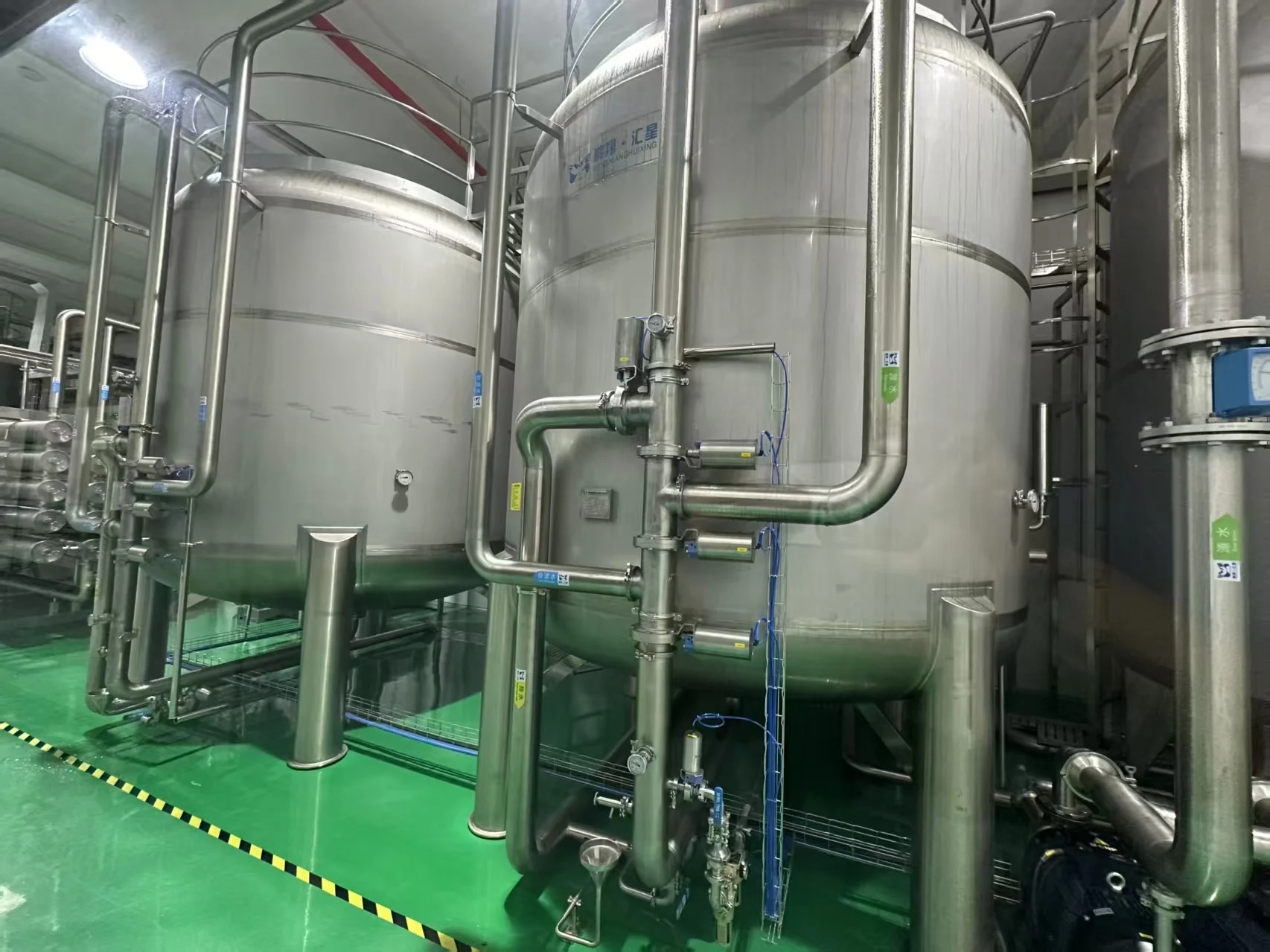
Why Water Treatment Matters More Than Ever
Municipalities face mounting pressure to provide clean, safe water while complying with stricter environmental regulations. At the same time, commercial sectors—especially food and beverage, pharmaceuticals, and manufacturing—require high-purity water to maintain product quality and operational efficiency.
Untreated or poorly treated water can lead to:
-
Public health risks due to contaminants
-
Equipment corrosion and scaling
-
Reduced product quality in industrial processes
-
Increased operational costs due to inefficiencies
Water treatment systems address these challenges by removing impurities such as suspended solids, microorganisms, dissolved salts, and organic matter, ensuring water meets specific standards for its intended use.
Municipal Applications: Building Safe and Sustainable Cities
In municipal projects, water treatment systems are designed to handle large volumes of raw water from sources like rivers, lakes, and groundwater. The goal is to transform this raw water into potable water that meets regulatory standards.
Key Functions in Municipal Systems
-
Pre-treatment and Filtration
Removing large particles and sediments through coagulation, flocculation, and filtration. -
Disinfection
Eliminating harmful microorganisms using chlorine, ozone, or UV systems. -
Advanced Treatment
Techniques like membrane filtration and reverse osmosis for removing dissolved contaminants. -
Sludge Management
Handling by-products of treatment processes in an environmentally responsible way.
Modern municipal systems are increasingly incorporating automation and smart monitoring to improve efficiency and reduce human error. These technologies enable real-time adjustments, predictive maintenance, and optimized chemical usage.
Commercial Applications: Supporting Industry and Production
In commercial environments, water treatment is often tailored to specific processes. For example, in beverage production, water is not just a utility—it is a core ingredient that directly impacts taste, safety, and brand reputation.
Industry-Specific Requirements
-
Beverage Manufacturing: Requires precise mineral balance and microbial control
-
Food Processing: Needs hygienic water for cleaning and ingredient preparation
-
Pharmaceuticals: Demands ultra-pure water with strict compliance standards
-
Hospitality and Facilities: Focuses on safe, reliable water supply and system longevity
These industries benefit from integrated systems that combine water treatment with production and packaging processes, ensuring seamless operations from start to finish.
Integrated Solutions for Modern Projects
One of the most important trends in water treatment today is system integration. Instead of standalone equipment, companies are adopting comprehensive solutions that connect water treatment with upstream and downstream processes.
Pengxiang Huixing exemplifies this approach by offering end-to-end solutions that go beyond water treatment alone. Their portfolio includes beverage pre-treatment systems, PET blow molding equipment, filling and packaging lines, labeling systems, conveying systems, and secondary packaging equipment. This integrated ecosystem allows clients to streamline operations and improve overall efficiency.
For example, a beverage manufacturer can implement a complete production line where water treatment is directly linked to filling, sealing, labeling, and packaging. This reduces contamination risks, minimizes downtime, and enhances production consistency.
Smart Factories and Intelligent Water Systems
As industries move toward digital transformation, water treatment systems are becoming part of broader smart factory initiatives. Intelligent systems use sensors, data analytics, and automation to optimize performance.
Benefits of Smart Water Systems
-
Real-time Monitoring: Continuous tracking of water quality parameters
-
Predictive Maintenance: Identifying potential issues before failures occur
-
Energy Efficiency: Optimizing energy consumption across processes
-
Reduced Waste: Minimizing chemical usage and water loss
Pengxiang Huixing has invested heavily in the development of intelligent workshops and factory planning. By integrating water treatment with digital control systems, they help clients achieve higher levels of automation and operational transparency.
Quality Assurance and Compliance
In both municipal and commercial contexts, compliance with quality standards is non-negotiable. Water treatment systems must meet local and international regulations to ensure safety and reliability.
Pengxiang Huixing’s manufacturing processes are certified under ISO9000 quality management systems, reflecting a commitment to consistent product quality and continuous improvement. Additionally, the company has been recognized as a high-tech enterprise in China, highlighting its focus on innovation and advanced engineering.
These credentials are particularly important for clients operating in regulated industries, where compliance failures can result in significant financial and reputational damage.
Global Reach and Proven Performance
Over the past two decades, Pengxiang Huixing has built a strong presence in both domestic and international markets. Their solutions are widely used across more than 20 provinces in China and have been exported to countries such as the United Arab Emirates, Oman, Vietnam, the Philippines, and Malaysia.
This global experience provides valuable insights into different water conditions, regulatory environments, and operational challenges. As a result, the company is able to design systems that are adaptable, reliable, and tailored to specific regional needs.
Key Equipment and System Components
A comprehensive water treatment and beverage production setup may include:
-
Fully automatic blow molding machines
-
Bottle filling and capping integrated systems
-
Gallon barrel production lines
-
Water treatment production lines
-
CIP (Clean-in-Place) systems
-
Sterilization equipment
-
Juice and carbonated beverage processing lines
-
Intelligent cleaning systems
-
Industrial cleaning solutions
Each component plays a role in ensuring the overall efficiency and hygiene of the production process. When properly integrated, these systems create a seamless workflow from raw water intake to final product distribution.
Challenges and Future Trends
Despite technological advancements, water treatment projects still face several challenges:
-
Increasing water scarcity
-
Rising energy costs
-
Complex regulatory requirements
-
Need for skilled operators
To address these issues, the industry is moving toward:
-
Decentralized Treatment Systems: Smaller, localized systems for flexibility
-
Water Reuse and Recycling: Reducing reliance on fresh water sources
-
Green Technologies: Lower energy and chemical consumption
-
Digital Twins and AI: Simulating and optimizing system performance
Companies that invest in innovation and adaptability will be better positioned to meet these evolving demands.
Conclusion
Water treatment systems are foundational to both municipal infrastructure and commercial success. They ensure public health, support industrial processes, and contribute to sustainable resource management. As the demand for clean water continues to rise, the importance of efficient, integrated, and intelligent systems cannot be overstated.
With two decades of experience, a strong focus on innovation, and a comprehensive product portfolio, Pengxiang Huixing provides solutions that align with the needs of modern projects. By integrating water treatment with advanced manufacturing and packaging technologies, they help clients achieve operational excellence across the entire value chain—from procurement and production to logistics and final consumption.