


In modern water treatment and beverage production, maintaining high water purity is essential. Contaminants such as chlorine, organic compounds, odors, and residual chemicals can significantly affect both product quality and equipment longevity. Among the many filtration technologies available today, activated carbon filters stand out for their exceptional adsorption capability. Understanding how these filters work—and how they integrate into industrial systems—helps manufacturers achieve reliable, consistent water quality.
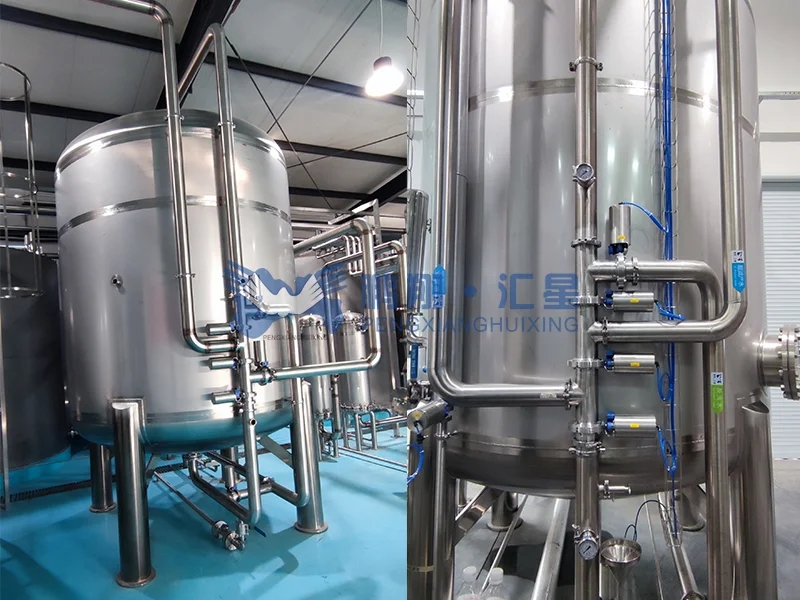
What Is an Activated Carbon Filter?
An activated carbon filter is a purification device that uses specially processed carbon to remove contaminants from liquids or gases. The carbon is treated at high temperatures to create a highly porous structure, dramatically increasing its surface area. A single gram of activated carbon can have a surface area of more than 1,000 square meters.
This enormous surface area enables the carbon to trap impurities through a process known as adsorption. Unlike absorption, where substances dissolve into a liquid, adsorption occurs when molecules adhere to the surface of the carbon.
Because of this mechanism, activated carbon filters are widely used in:
-
Water treatment systems
-
Beverage processing
-
Pharmaceutical manufacturing
-
Food processing industries
-
Industrial purification systems
For beverage and bottled water manufacturers, these filters are often a critical step before filling and packaging.
The Science Behind Adsorption
Activated carbon works primarily through physical adsorption and chemical interactions. The structure of the carbon contains millions of microscopic pores, which attract and hold contaminants.
1. Physical Adsorption
Physical adsorption occurs when van der Waals forces pull molecules toward the carbon surface. These weak intermolecular forces allow activated carbon to capture a wide range of organic compounds.
Common contaminants removed include:
-
Chlorine and chloramines
-
Volatile organic compounds (VOCs)
-
Pesticides and herbicides
-
Industrial solvents
-
Odor-causing molecules
In beverage production, chlorine removal is particularly important because chlorine can negatively affect taste and aroma.
2. Chemical Adsorption
Some activated carbons are modified to enhance chemical reactions with certain pollutants. Through catalytic or chemically treated surfaces, the carbon can convert or neutralize contaminants during filtration.
For example, catalytic carbon can break down chloramines more efficiently than standard carbon.
3. Pore Structure and Surface Area
The adsorption capacity of activated carbon largely depends on its pore structure. These pores fall into three main categories:
-
Micropores – capture small molecules
-
Mesopores – trap medium-sized organic compounds
-
Macropores – serve as channels that guide contaminants into deeper pores
This layered pore system allows activated carbon filters to efficiently capture a broad spectrum of impurities.
Key Advantages of Activated Carbon Filtration
Activated carbon filtration offers several advantages that make it a preferred solution in industrial water systems.
Effective Removal of Taste and Odor
One of the most well-known benefits of activated carbon is its ability to eliminate unpleasant tastes and odors. In beverage production, even trace contaminants can affect product flavor, making carbon filtration essential.
High Efficiency for Organic Compounds
Many chemical pollutants in water are organic molecules. Activated carbon has a strong affinity for these substances, allowing it to remove them effectively.
Compatibility with Multi-Stage Filtration Systems
Activated carbon filters often work alongside other filtration technologies such as sand filters, ultrafiltration, or reverse osmosis systems. This layered approach improves overall purification efficiency.
Environmentally Friendly Operation
Unlike chemical treatment methods, activated carbon filtration does not introduce additional chemicals into the water. This makes it a sustainable and environmentally responsible solution.
Applications in Beverage Production
Water is the primary ingredient in most beverages, so its purity directly affects the final product. Activated carbon filtration is commonly used in beverage plants to ensure high-quality process water.
Typical applications include:
-
Pre-treatment for bottled water production
-
Removal of chlorine before reverse osmosis systems
-
Improving flavor consistency in soft drinks
-
Removing organic impurities in juice processing
High-quality filtration not only improves product taste but also protects sensitive equipment used in downstream processes.
Integration with Modern Beverage Production Systems
In modern manufacturing environments, filtration systems must integrate seamlessly with automated production lines. Activated carbon filters are often part of comprehensive water treatment solutions that support the entire beverage production workflow.
Companies like Pengxiang Huixing specialize in designing integrated systems that combine water treatment, filling equipment, and packaging technology into efficient production lines. Their solutions support manufacturers from raw water purification to final packaging.
For example, a typical beverage production facility may include:
-
Raw water treatment systems
-
Activated carbon filtration units
-
Reverse osmosis purification
-
Bottle blowing equipment
-
Filling and capping machines
-
Labeling systems
-
Conveying and secondary packaging equipment
This integrated approach helps ensure that water quality remains stable throughout the production cycle.
Pengxiang Huixing: Integrated Beverage Production Expertise
Located in Shenzhen, China, Pengxiang Huixing has spent more than two decades focusing on beverage packaging machinery and liquid processing systems. The company integrates research, manufacturing, and engineering services to deliver comprehensive solutions for beverage manufacturers worldwide.
Its core product portfolio includes:
-
Fully automatic bottle blowing machines
-
Bottle filling and capping integrated systems
-
Water treatment production lines
-
Gallon barrel filling systems
-
Juice and carbonated beverage production lines
-
Automatic CIP cleaning systems
-
Industrial cleaning solutions
-
Sterilization equipment
-
Labeling systems and conveying equipment
These systems cover the entire process chain—from procurement and production to packaging, storage, logistics, and distribution.
Pengxiang Huixing also focuses on smart workshop and smart factory planning. By combining automation technologies with advanced beverage processing equipment, the company helps manufacturers improve efficiency, reduce operational costs, and maintain consistent product quality.
The company operates under the ISO9000 quality management system and has been recognized as a high-tech enterprise in China. Its equipment is widely used across more than 20 provinces in China and exported to international markets including the United Arab Emirates, Oman, Vietnam, the Philippines, and Malaysia.
Maintenance and Optimization of Activated Carbon Filters
While activated carbon filters are highly effective, their performance depends on proper maintenance and system design.
Regular Carbon Replacement
Over time, the pores of activated carbon become saturated with contaminants. Once the adsorption capacity is reached, the filter becomes less effective and must be replaced or regenerated.
Pre-Filtration Protection
Sediment filters or multi-media filters are often installed upstream to remove suspended particles. This prevents clogging and extends the lifespan of the carbon bed.
Proper Flow Rate Control
If water flows too quickly through the filter, contaminants may not have sufficient contact time with the carbon surface. Maintaining the correct flow rate ensures optimal adsorption efficiency.
Routine System Cleaning
Industrial systems often include automatic cleaning technologies such as CIP (Clean-in-Place) systems to maintain hygiene and operational reliability.
Future Trends in Carbon Filtration Technology
As beverage manufacturing continues to evolve, filtration technology is also advancing. New developments in activated carbon production are improving adsorption efficiency and expanding application possibilities.
Emerging trends include:
-
Catalytic carbon materials with enhanced chemical removal capability
-
Granular carbon with optimized pore structures
-
Smart filtration monitoring systems
-
Integration with automated production management platforms
These innovations help manufacturers maintain higher standards of water quality while improving operational efficiency.
Conclusion
Activated carbon filters play a vital role in modern water treatment and beverage manufacturing. Their remarkable adsorption capacity allows them to remove chlorine, organic compounds, and odor-causing substances that could otherwise affect product quality.
By understanding the science behind adsorption and integrating advanced filtration technologies into production systems, manufacturers can ensure consistent water purity and reliable beverage processing.
With decades of experience in beverage packaging machinery and water treatment systems, Pengxiang Huixing continues to provide integrated solutions that support the entire production chain—from purification to packaging—helping beverage producers around the world maintain high standards of quality and efficiency.