


Clean and reliable water is essential to almost every manufacturing sector. Whether it is used as a production ingredient, a cleaning medium, a cooling resource, or part of a sanitation process, water quality directly affects product consistency, operational efficiency, equipment lifespan, and regulatory compliance. As industries continue to pursue higher production standards and more sustainable operations, modern water treatment systems have become a critical investment rather than an optional upgrade.
From beverage production and pharmaceuticals to food processing, electronics, chemicals, and municipal infrastructure, different industries rely on specialized water treatment technologies tailored to their operational requirements. This article explores how water treatment systems are applied across various industries and why selecting the right solution can significantly improve productivity and product quality.
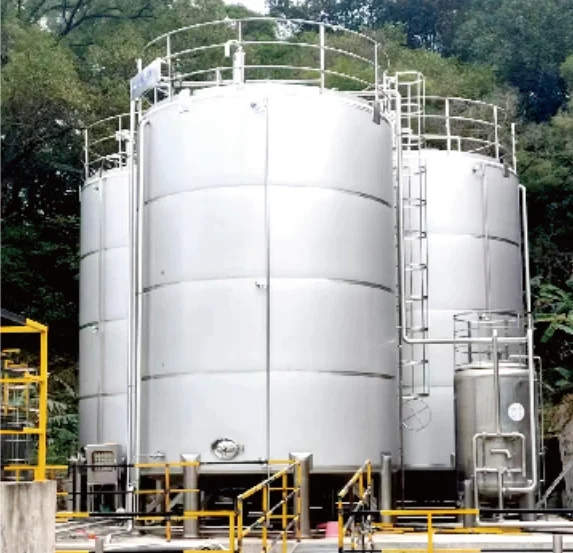
Why Water Treatment Matters
Natural water sources contain suspended solids, microorganisms, dissolved salts, heavy metals, organic compounds, and other contaminants. The type and concentration of these impurities vary depending on the water source.
Without proper treatment, poor water quality may lead to:
-
Product contamination
-
Equipment scaling and corrosion
-
Reduced production efficiency
-
Increased maintenance costs
-
Higher energy consumption
-
Shortened equipment lifespan
-
Failure to meet industry regulations
Modern water treatment systems combine multiple technologies such as filtration, activated carbon adsorption, ultrafiltration (UF), reverse osmosis (RO), ultraviolet sterilization, ozone treatment, ion exchange, and automated monitoring to produce water that meets specific production requirements.
Beverage Industry
The beverage industry has some of the strictest water quality requirements because water often represents more than 90% of the final product.
Applications include:
-
Bottled drinking water
-
Mineral water
-
Carbonated beverages
-
Juice production
-
Tea and coffee beverages
-
Functional drinks
-
Dairy beverages
Water treatment systems remove impurities while maintaining stable mineral composition to ensure consistent taste and product quality.
Typical treatment process:
-
Raw water filtration
-
Sand filtration
-
Activated carbon filtration
-
Water softening (if necessary)
-
Reverse osmosis
-
UV sterilization
-
Ozone disinfection
-
Sterile storage
Consistent water quality also protects filling equipment from scaling and contamination, reducing downtime and maintenance.
Food Processing Industry
Food manufacturers use treated water for multiple purposes throughout production.
Examples include:
-
Ingredient preparation
-
Washing fruits and vegetables
-
Meat processing
-
Seafood cleaning
-
Dairy production
-
Bakery processing
-
Equipment cleaning
Poor water quality may introduce bacteria or affect food taste and texture. Modern water treatment systems help food manufacturers maintain hygiene standards while complying with food safety regulations.
Many facilities also integrate Clean-in-Place (CIP) systems with treated water to improve sanitation efficiency while reducing water consumption.
Pharmaceutical Industry
Pharmaceutical manufacturing requires some of the highest purity water available.
Different production stages may require:
-
Purified Water (PW)
-
Highly Purified Water (HPW)
-
Water for Injection (WFI)
These systems often combine:
-
Reverse osmosis
-
Electrodeionization (EDI)
-
Ultrafiltration
-
UV sterilization
-
Continuous microbial monitoring
Stable water quality helps ensure product safety and consistency while meeting strict pharmaceutical manufacturing standards.
Electronics Manufacturing
Electronic components are extremely sensitive to contaminants.
Industries requiring ultra-pure water include:
-
Semiconductor manufacturing
-
PCB production
-
Display panel manufacturing
-
Solar cell production
-
Precision electronics
Even microscopic particles or dissolved minerals may damage sensitive electronic components.
Ultra-pure water systems typically include:
-
Reverse osmosis
-
Mixed-bed ion exchange
-
EDI
-
UV oxidation
-
Membrane degassing
-
Final polishing filtration
These systems produce water with extremely low conductivity suitable for precision manufacturing.
Chemical Industry
Chemical manufacturing uses water as:
-
Raw material
-
Solvent
-
Cooling medium
-
Boiler feed water
-
Cleaning agent
Different chemical processes require different water quality standards.
Proper treatment prevents:
-
Equipment corrosion
-
Scale formation
-
Product contamination
-
Process instability
Many chemical plants also recycle wastewater after advanced treatment, reducing overall water consumption.
Power Generation
Power plants require massive quantities of treated water for boilers and cooling systems.
Applications include:
-
Boiler feed water
-
Cooling tower water
-
Steam generation
-
Turbine protection
High-purity water minimizes scaling inside boilers and heat exchangers, improving heat transfer efficiency and extending equipment life.
Demineralization systems often combine reverse osmosis and ion exchange technologies to achieve the required water quality.
Healthcare Industry
Hospitals and healthcare facilities rely on treated water for:
-
Sterilization equipment
-
Laboratory testing
-
Dialysis
-
Medical device cleaning
-
Clinical research
Reliable water quality helps protect patients while ensuring accurate laboratory results.
Many hospitals operate centralized water treatment systems with continuous quality monitoring.
Cosmetics and Personal Care Manufacturing
Cosmetic formulations often contain a high percentage of water.
Applications include:
-
Skin care
-
Hair care
-
Personal hygiene products
-
Liquid soaps
-
Facial cleansers
Purified water prevents microbial contamination and improves product stability.
Manufacturers commonly use RO systems combined with UV sterilization and ozone treatment.
Textile Industry
Textile manufacturing consumes significant amounts of water during:
-
Dyeing
-
Washing
-
Printing
-
Finishing
Water impurities can affect dye consistency and fabric quality.
Water treatment systems improve:
-
Color consistency
-
Chemical efficiency
-
Fabric appearance
-
Wastewater recycling
Many textile manufacturers also implement water reuse systems to reduce environmental impact.
Municipal Water Supply
Municipal water treatment plants serve residential, commercial, and industrial users.
Typical treatment stages include:
-
Coagulation
-
Flocculation
-
Sedimentation
-
Filtration
-
Disinfection
Modern municipal facilities increasingly integrate membrane technologies for improved water quality and lower operating costs.
Mining Industry
Mining operations require treated water for:
-
Mineral processing
-
Dust suppression
-
Equipment cooling
-
Tailings management
Water treatment reduces suspended solids and enables recycling, lowering freshwater demand while supporting environmental compliance.
Agriculture
Agricultural irrigation increasingly depends on treated water.
Applications include:
-
Greenhouse irrigation
-
Hydroponic farming
-
Livestock drinking water
-
Fertigation systems
Proper treatment removes pathogens and excess minerals, helping improve crop health and irrigation efficiency.
Industrial Cleaning
Many factories require high-quality water for cleaning production equipment.
Applications include:
-
CIP systems
-
Bottle washing
-
Container cleaning
-
Pipeline sanitation
-
Surface cleaning
Using treated water reduces spotting, residue, and microbial growth while improving cleaning effectiveness.
Integrated Water Treatment for Beverage Production
Among all industries, beverage manufacturing demands one of the most integrated water treatment solutions because water quality affects every production stage.
A complete beverage production line may include:
-
Raw water treatment
-
Water storage
-
Bottle blowing
-
Filling
-
Capping
-
Sterilization
-
Labeling
-
Packaging
-
Conveyor automation
-
Warehouse logistics
Instead of purchasing separate equipment from multiple suppliers, many beverage manufacturers now prefer integrated solutions that ensure compatibility across the entire production process.
Integrated engineering simplifies installation, reduces commissioning time, and allows centralized control of water quality throughout production.
Intelligent Manufacturing Improves Water Treatment Efficiency
Modern factories are becoming increasingly digital.
Today's advanced water treatment systems include features such as:
-
PLC automatic control
-
Real-time water quality monitoring
-
Remote diagnostics
-
Automatic membrane cleaning
-
Energy consumption monitoring
-
Data logging
-
Predictive maintenance
Automation helps operators maintain stable water quality while reducing labor requirements and minimizing human error.
For beverage manufacturers, intelligent control also enables seamless integration with filling, packaging, labeling, warehouse management, and production scheduling.
Choosing the Right Water Treatment System
Selecting an appropriate water treatment system depends on several factors.
Water Source
Different water sources require different treatment processes.
Examples include:
-
Groundwater
-
Surface water
-
Municipal water
-
Recycled water
A comprehensive water analysis should always be performed before system design.
Production Capacity
The required flow rate determines equipment sizing.
Oversized systems increase investment and operating costs, while undersized systems limit production.
Water Quality Requirements
Different industries require different purity levels.
For example:
-
Drinking water
-
Process water
-
Boiler water
-
Ultra-pure water
-
Pharmaceutical-grade water
The treatment process should be designed specifically for the intended application.
Future Expansion
Production capacity often increases over time.
Modular system designs make future expansion easier without replacing the entire system.
Service and Technical Support
Reliable technical support is essential for long-term operation.
Manufacturers with strong engineering capabilities can provide:
-
Equipment design
-
Installation
-
Commissioning
-
Operator training
-
Maintenance
-
Process optimization
These services help reduce downtime and maximize equipment performance.
Supporting Modern Beverage Manufacturing
For companies involved in beverage production, selecting the right equipment supplier goes beyond purchasing individual machines. An experienced manufacturer can provide integrated production solutions that connect water treatment, bottle blowing, filling, labeling, conveying, cleaning, sterilization, and secondary packaging into one coordinated system.
Pengxiang Huixing has spent more than two decades focusing on beverage packaging machinery and liquid processing technologies. Based in Shenzhen, China, the company integrates research, development, and manufacturing to provide complete production solutions for global customers. Its product portfolio includes water treatment systems, PET blow molding equipment, blow-fill-cap production lines, blow-label-fill-cap systems, filling and capping lines, labeling systems, conveyor systems, intelligent cleaning systems, industrial cleaning solutions, sterilization equipment, and complete beverage production lines for bottled water, juice, and carbonated drinks.
Certified under the ISO9000 Quality Management System and recognized as a Chinese High-Tech Enterprise, Pengxiang Huixing emphasizes intelligent workshops and smart factory planning. Its integrated approach helps customers optimize every stage of production—from water treatment and manufacturing to packaging, warehousing, logistics, and final delivery. With products exported to more than ten countries and regions including the UAE, Oman, Vietnam, the Philippines, and Malaysia, the company continues to support beverage manufacturers seeking reliable, efficient, and scalable production solutions.
Conclusion
Water treatment systems have become indispensable across modern industries. Whether ensuring food safety, producing pharmaceutical-grade water, protecting electronic components, or supporting high-speed beverage production, proper water treatment directly impacts product quality, equipment reliability, operational efficiency, and sustainability.
As industrial automation continues to evolve, integrated water treatment solutions combined with intelligent manufacturing technologies will play an even greater role in helping manufacturers improve consistency, reduce resource consumption, and meet increasingly demanding quality standards. Investing in the right water treatment system today lays a stronger foundation for efficient, compliant, and future-ready production.