

Activated carbon filtration has long been an important step in water treatment, especially where the removal of chlorine, organic compounds, unpleasant odors, and unwanted tastes is required. As water treatment systems become more automated and production requirements become stricter, activated carbon filters are also moving beyond the traditional role of a simple adsorption vessel.
The future of activated carbon filter technology will be shaped by better carbon materials, smarter monitoring, more efficient regeneration and replacement strategies, improved sanitary design, and closer integration with complete water treatment and beverage production lines.
For beverage manufacturers, these developments are particularly relevant. Water quality directly affects the taste, stability, and consistency of finished products. A well-designed activated carbon filtration stage can therefore become an important part of a reliable water treatment system rather than an isolated filtration component.
Why Activated Carbon Filtration Still Matters
Activated carbon works primarily through adsorption. Its highly porous structure provides a large internal surface area where many organic compounds and other contaminants can be captured.
In practical water treatment applications, activated carbon filtration can help reduce:
-
Chlorine and certain chlorination by-products
-
Unpleasant tastes and odors
-
Organic compounds
-
Certain color-causing substances
-
Some trace contaminants, depending on the carbon type and operating conditions
However, activated carbon is not a universal solution. It does not replace pretreatment, membrane systems, disinfection, or other treatment processes when those technologies are required. Its effectiveness depends heavily on water quality, carbon characteristics, contact time, flow rate, temperature, and operating conditions.
This is why future activated carbon filter technology is increasingly focused on system integration and process control, rather than simply increasing filter size.
1. Higher-Performance Activated Carbon Materials
One of the most important trends is the development of more specialized activated carbon media.
Traditional activated carbon remains widely used, but manufacturers are increasingly selecting carbon according to the specific contaminants and operating environment. Coconut-shell carbon, coal-based carbon, wood-based carbon, and other materials have different pore structures and adsorption characteristics.
Future systems will likely use more application-specific carbon media instead of relying on a one-size-fits-all approach.
For example, a beverage water treatment project may require a carbon medium selected specifically for chlorine reduction and taste-and-odor control, while an industrial application may focus on different organic contaminants.
The practical benefit is straightforward: selecting the right carbon can improve treatment performance while making better use of the filter vessel and media.
2. Smarter Monitoring and Automatic Control
A major change in water treatment is the transition from periodic manual inspection to continuous monitoring.
Traditional activated carbon filters are often managed according to operating time, estimated service life, or scheduled maintenance. While these methods are simple, they do not always reflect actual carbon loading.
Future systems will increasingly use sensors and control systems to monitor parameters such as:
-
Inlet and outlet water quality
-
Pressure differential
-
Flow rate
-
Operating hours
-
Backwash conditions
-
Water temperature
-
Carbon bed performance
When combined with PLC control and data collection, these measurements can help operators identify abnormal conditions earlier.
For example, an increasing pressure differential may indicate fouling or excessive suspended solids entering the carbon bed. A change in outlet water quality may indicate that the carbon is approaching exhaustion.
Instead of replacing carbon purely according to a calendar, operators can make maintenance decisions based on actual operating conditions.
3. Integration with Complete Water Treatment Systems
Activated carbon filtration will increasingly be designed as one part of a complete treatment process.
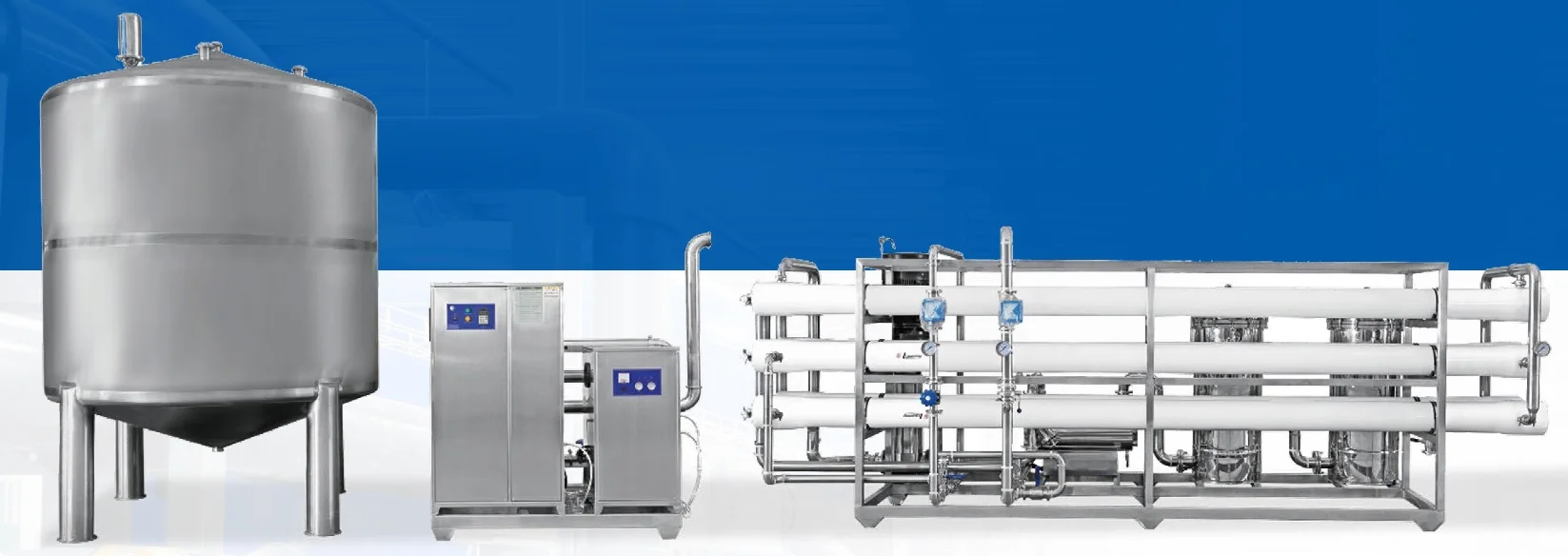
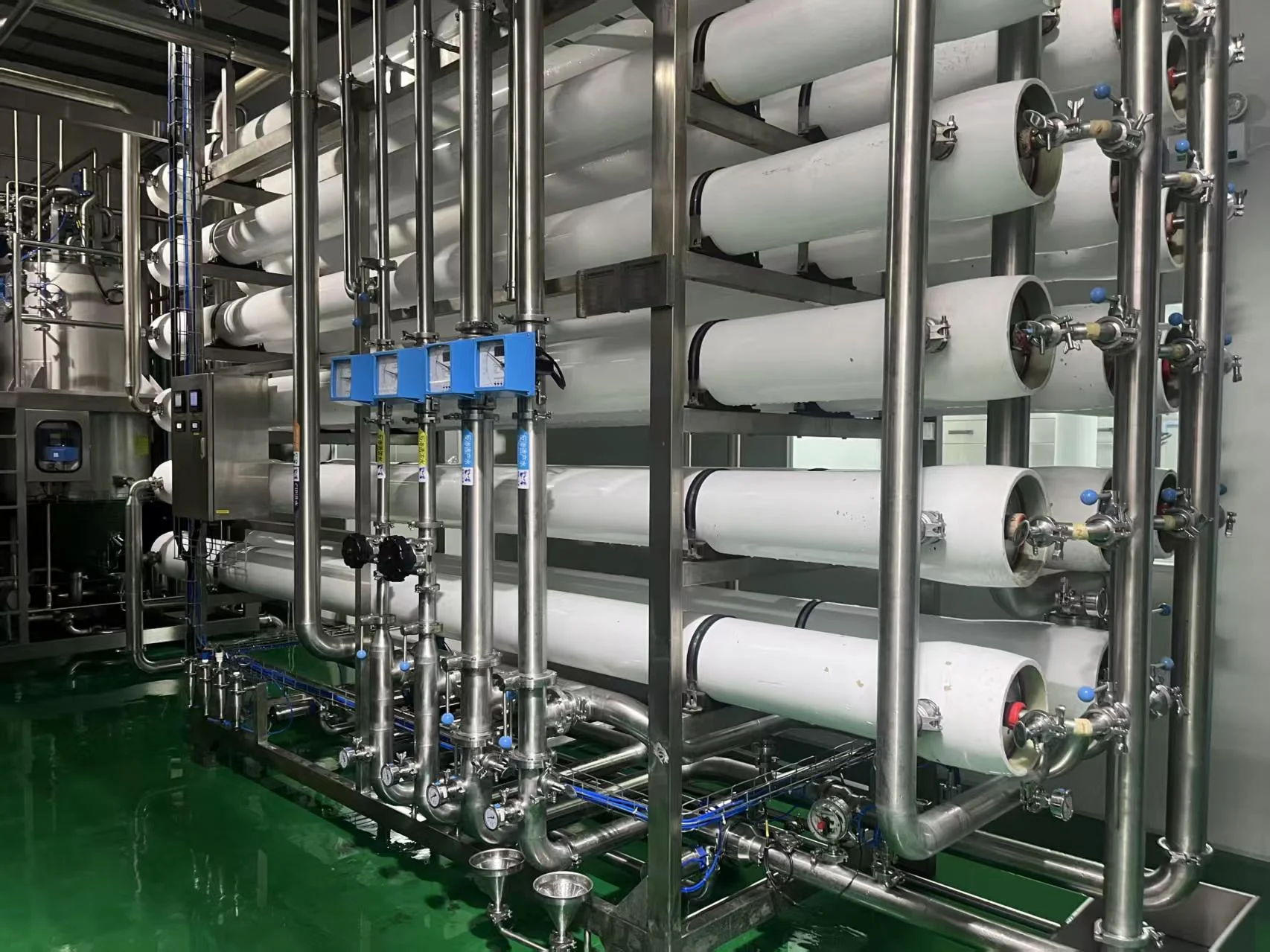
A typical beverage water treatment system may include raw water pretreatment, multimedia filtration, activated carbon filtration, precision filtration, softening, membrane treatment, ultraviolet treatment, ozone treatment, or other processes depending on the source water and final product requirements.
The key trend is better coordination between these stages.
For example, effective pretreatment can reduce the suspended solids and contaminants reaching the activated carbon bed. This helps prevent premature fouling and allows the carbon to focus on the substances it is intended to remove.
For this reason, companies planning a new production facility should evaluate activated carbon filtration together with the complete water treatment process rather than selecting the filter independently.
4. More Hygienic Designs for Beverage Production
Water treatment equipment used in beverage production must meet different requirements from many general industrial filtration applications.
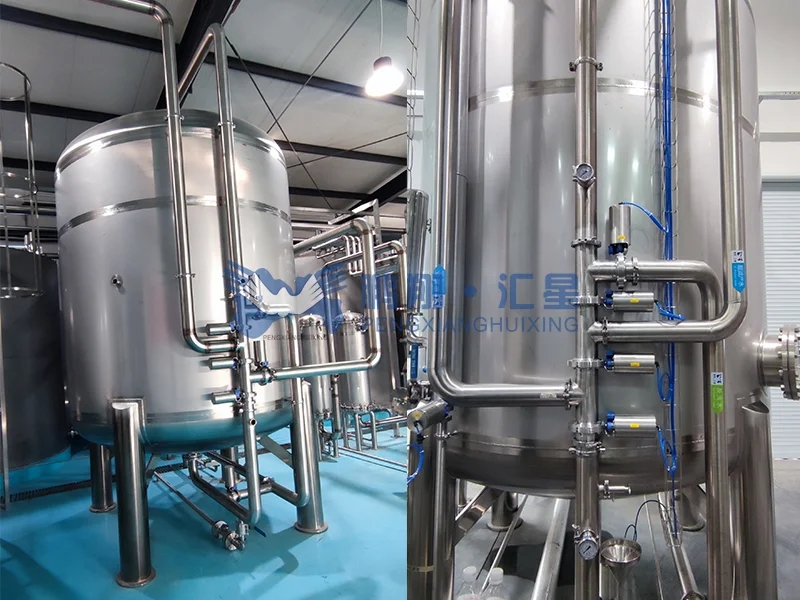
The equipment needs to be designed for regular cleaning, stable operation, and hygienic production. Internal surfaces, piping arrangements, valves, drainage, dead-leg control, and cleaning procedures all influence the overall sanitation of the system.
This is driving demand for activated carbon filter systems that can integrate more effectively with automatic cleaning procedures and hygienic process lines.
In a modern beverage factory, the filter should not become a difficult-to-clean section of the production system. Instead, its design should support the plant's overall cleaning and maintenance strategy.
5. Better Backwashing and Media Management
Activated carbon filters need proper operating and maintenance procedures to maintain stable performance.
Backwashing can help remove accumulated suspended solids and redistribute the media bed. However, excessive or poorly controlled backwashing can cause unnecessary media loss or disturb the filter bed.
Future systems are likely to place greater emphasis on automated backwash control based on actual pressure differential, operating conditions, and predefined process parameters.
Media management will also become more systematic. Operators will pay closer attention to carbon quality, bed depth, loading conditions, replacement intervals, and disposal or regeneration options.
These improvements may appear small individually, but they can make a significant difference when a filtration system operates continuously for long production cycles.
6. Remote Monitoring and Digital Water Treatment
Digitalization is becoming increasingly practical in water treatment plants.
Modern control systems can collect operating information from pumps, valves, sensors, flow meters, pressure transmitters, and water quality instruments. This information can then be displayed through a central HMI or plant management platform.
For activated carbon filtration, digital monitoring can help operators answer practical questions:
-
Is the filter operating within the expected flow range?
-
Is the pressure drop increasing?
-
When was the last backwash?
-
How long has the carbon been in service?
-
Are inlet and outlet conditions changing?
-
Does the filter require inspection?
Remote monitoring can also help maintenance teams identify developing problems before they affect downstream production.
This is especially useful for factories with multiple water treatment units or production lines, where operators need a centralized view of equipment status.
7. Greater Focus on Energy and Water Efficiency
Sustainability is another factor influencing filter design.
Water treatment itself consumes water and energy, particularly during pumping, backwashing, cleaning, and downstream treatment. Future activated carbon filtration systems will therefore be evaluated not only by contaminant removal performance but also by resource consumption.
Engineers will increasingly consider:
-
Optimized flow rates
-
Lower pressure losses
-
Efficient backwash cycles
-
Reduced water consumption during cleaning
-
Longer and more predictable media service life
-
Better coordination with upstream and downstream equipment
The goal is not simply to use less water at any cost. The objective is to maintain the required treatment quality while avoiding unnecessary resource consumption.
8. Modular and Customized Filter Systems
Different factories have different raw water conditions, production capacities, layouts, and product requirements. As a result, standardized equipment alone cannot satisfy every project.
Modular activated carbon filter systems provide greater flexibility. Filter vessels, pumps, valves, instruments, control cabinets, and piping can be configured according to the specific process.
This approach is particularly useful for beverage plants that may expand production capacity in the future.
A properly planned system can leave room for additional filtration capacity, improved automation, or integration with new treatment technologies without requiring a complete redesign of the plant.
Activated Carbon Filters in Modern Beverage Production
For beverage manufacturers, water treatment is directly connected to production stability. Water used for bottled water, juice, carbonated soft drinks, and other beverages must meet the requirements of the specific product and process.
Pengxiang Huixing provides water treatment systems and beverage production equipment for customers in different markets. Its capabilities cover water treatment, beverage pretreatment, PET blow molding equipment, blow-fill-seal production lines, blow-label-fill-seal lines, labeling systems, conveying systems, and secondary packaging equipment.
Within a complete water treatment project, an activated carbon filter can be configured according to raw water conditions and the requirements of the downstream production process.
The company also focuses on intelligent workshop and smart factory planning, helping customers connect equipment across procurement, production, packaging, warehousing, logistics, and distribution. This broader approach is important because water treatment performance should ultimately support the stability of the entire production line.
With experience in beverage packaging machinery and related technologies, Pengxiang Huixing can also coordinate water treatment with beverage production requirements, including bottled water production lines, juice and carbonated beverage systems, filling equipment, sterilization systems, automatic cleaning systems, and industrial cleaning solutions.
What Should Manufacturers Consider Today?
Although future technology will bring more automation and smarter controls, good engineering fundamentals remain essential.
Before selecting an activated carbon filter, manufacturers should first understand their raw water quality and define the treatment target. Key factors include water flow, peak production demand, contaminant characteristics, required contact time, pretreatment conditions, carbon type, vessel configuration, backwashing requirements, cleaning procedures, and downstream equipment.
It is also important to consider what happens after installation. Operators need clear procedures for monitoring, backwashing, inspection, carbon replacement, sanitation, and troubleshooting.
A technically advanced filter will not perform well if it is incorrectly sized or poorly maintained.
Conclusion
The future of activated carbon filter technology is not simply about producing larger or more powerful filters. The real development is toward smarter, cleaner, more efficient, and better-integrated filtration systems.
Higher-performance carbon media can improve adsorption efficiency. Sensors and automation can provide better operational visibility. Hygienic designs can support beverage production. Digital monitoring can simplify maintenance, while optimized backwashing and media management can improve long-term operation.
For beverage manufacturers, the most valuable approach is to consider activated carbon filtration as part of the complete water treatment and production system.
As beverage factories move toward greater automation and intelligent manufacturing, activated carbon filtration will continue to evolve from a basic treatment stage into a more measurable, controllable, and integrated component of modern water treatment infrastructure.