


Clean water and fresh air are no longer taken for granted. Industrial growth, urbanization, and increasingly complex supply chains mean that contaminants can enter water and air at many points—from raw material intake to final consumption. Among the many purification technologies available today, activated carbon filtration remains one of the most practical, proven, and widely used solutions. Its effectiveness, adaptability, and relatively simple operation make it a cornerstone in both water treatment and air purification systems.
This article explores how activated carbon filters work, why they are so effective, and how they are applied in modern industrial systems—especially within integrated water treatment and beverage production lines.
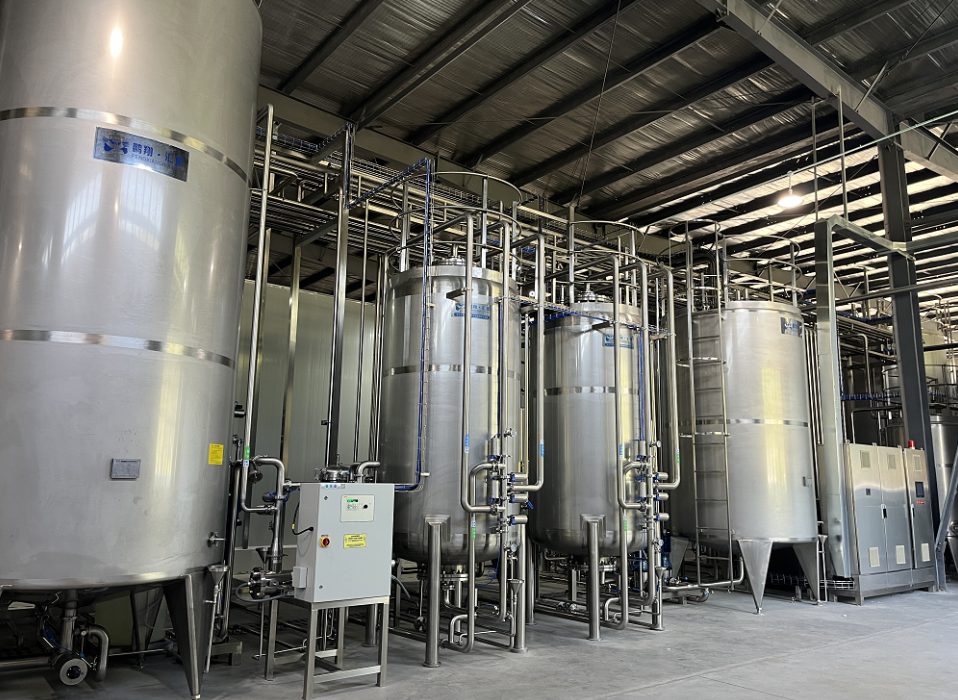
What Is an Activated Carbon Filter?
Activated carbon is a form of carbon processed to create a highly porous structure. One gram of activated carbon can have a surface area of hundreds or even thousands of square meters. This massive surface area allows it to adsorb a wide range of impurities from liquids and gases.
Unlike mechanical filtration, which blocks particles based on size, activated carbon works primarily through adsorption. Contaminants are attracted to and held on the surface of the carbon pores due to physical and chemical forces. This makes activated carbon particularly effective at removing substances that are dissolved or gaseous and would otherwise pass through conventional filters.
Improving Water Quality with Activated Carbon Filtration
Removal of Organic Compounds and Chemicals
One of the most important roles of activated carbon filters in water treatment is the removal of organic compounds. These include pesticides, herbicides, industrial solvents, and residual disinfectants such as chlorine and chloramines. While chlorine is essential for disinfection, it can negatively affect taste, odor, and downstream production processes if not properly controlled.
Activated carbon efficiently adsorbs these compounds, improving water clarity, taste, and safety. This is especially critical in beverage production, where water quality directly impacts product consistency and brand reputation.
Taste and Odor Control
Unpleasant tastes and odors in water are often caused by organic matter, algae by-products, or chemical residues. Activated carbon filters are highly effective at addressing these issues, making them indispensable in drinking water treatment and beverage pre-treatment systems.
In bottling plants and beverage factories, activated carbon filtration is often positioned after initial mechanical filtration and before advanced processes such as reverse osmosis or sterilization. This ensures that downstream equipment operates under optimal conditions and that final products meet strict quality standards.
Protection of Equipment and Processes
By removing chlorine and organic contaminants, activated carbon filters also help protect membranes, valves, and filling equipment from chemical degradation. This extends equipment life, reduces maintenance frequency, and improves overall system reliability.
In integrated water treatment lines, properly designed activated carbon filtration contributes to stable long-term operation and predictable production output.
Enhancing Air Quality Through Activated Carbon Filtration
Activated carbon is not limited to water treatment. Its adsorption properties make it equally valuable for air purification applications.
Removal of Volatile Organic Compounds (VOCs)
In industrial environments, VOCs can be released from cleaning agents, packaging materials, inks, adhesives, and various production processes. These compounds not only affect air quality but can also pose health risks and interfere with sensitive manufacturing operations.
Activated carbon air filters capture VOC molecules effectively, helping maintain a cleaner, safer working environment. This is particularly important in enclosed production facilities and intelligent workshops where automation and human operators coexist.
Odor Control in Industrial and Commercial Spaces
Odors are more than a comfort issue; they can indicate the presence of unwanted chemicals or process inefficiencies. Activated carbon filters are widely used to control odors in manufacturing plants, warehouses, and waste treatment areas.
By adsorbing odor-causing molecules, these filters help create a more pleasant and compliant working environment, supporting both employee well-being and regulatory requirements.
Integration into Modern Water Treatment and Beverage Systems
In modern beverage and liquid food production, filtration is not a standalone process. It is part of a fully integrated system that spans water treatment, product processing, filling, packaging, warehousing, and distribution.
Pengxiang Huixing designs and manufactures comprehensive solutions that incorporate activated carbon filtration into larger water treatment and beverage pre-treatment systems. These systems are engineered to align with automated production lines, ensuring consistent performance from raw water intake to final packaged product.
Within a typical setup, activated carbon filters work alongside:
-
Multi-stage water treatment lines
-
On-site automatic cleaning (CIP) systems
-
Sterilization and disinfection equipment
-
Bottle blowing, filling, and capping integrated machines
-
Intelligent conveying, labeling, and secondary packaging systems
This system-level approach ensures that filtration performance supports overall production efficiency rather than becoming a bottleneck.
Design Considerations for Effective Activated Carbon Filtration
Carbon Type and Configuration
Activated carbon can be produced from various raw materials, including coconut shell, coal, and wood. Each type has different pore structures and adsorption characteristics. Selecting the right carbon depends on the target contaminants and application.
Filters may be configured as granular activated carbon (GAC) beds, carbon block cartridges, or specialized vessels designed for high flow rates and industrial loads.
Contact Time and Flow Control
Adsorption efficiency depends heavily on contact time between the carbon and the fluid or air. Proper system design ensures that flow rates are matched to filter capacity, allowing sufficient time for adsorption without compromising throughput.
In automated production environments, precise flow control and monitoring are essential to maintain consistent filtration performance.
Maintenance and Replacement
Activated carbon has a finite adsorption capacity. Once the pores are saturated, performance declines. Regular monitoring and scheduled replacement or regeneration are critical to maintaining water and air quality.
Modern intelligent factory designs often include sensors and data systems that track filter performance and maintenance intervals, reducing the risk of unexpected downtime.
Supporting Intelligent Workshops and Smart Factories
As manufacturers move toward intelligent workshops and smart factory concepts, filtration systems must be reliable, predictable, and easy to integrate. Activated carbon filters meet these requirements well.
When combined with automated control systems, they provide stable performance with minimal manual intervention. This aligns with the broader goal of reducing operational complexity while improving product quality and consistency.
Pengxiang Huixing’s long-term focus on introducing, improving, and innovating beverage packaging and water treatment technologies has resulted in systems that are not only technically sound but also practical for real-world production environments. With over 20 years of experience and installations across China and international markets such as the UAE, Oman, Vietnam, the Philippines, and Malaysia, the company’s solutions reflect proven engineering rather than theoretical design.
Conclusion
Activated carbon filters play a vital role in improving both water and air quality across a wide range of industrial applications. Their ability to remove organic contaminants, chemicals, odors, and VOCs makes them indispensable in modern water treatment and beverage production systems.
When properly designed and integrated into comprehensive production lines, activated carbon filtration supports product quality, protects equipment, and contributes to safer, more efficient working environments. As industries continue to demand higher standards of quality and automation, activated carbon filters will remain a foundational technology—simple in principle, but powerful in impact.