


Water is the foundation of every beverage production line, yet not all water sources are created equal. From municipal tap water to groundwater, surface water, and even seawater, each source presents its own set of challenges. Choosing the right water treatment system is not just about compliance—it directly affects product quality, equipment lifespan, and operational efficiency.
In this article, we’ll break down how to evaluate different water sources and match them with the most suitable treatment solutions, while also exploring how experienced manufacturers like Pengxiang Huixing help businesses build reliable, end-to-end systems.
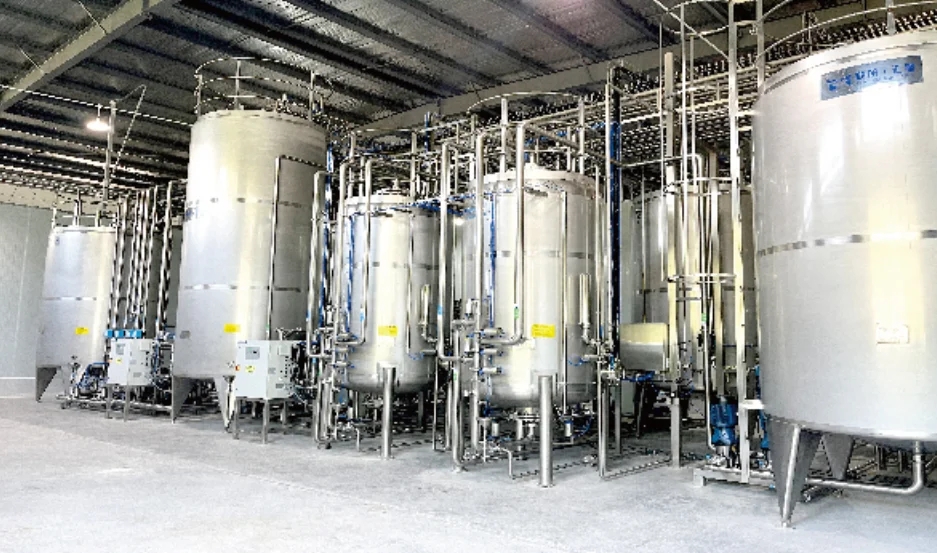
Understanding Different Water Sources
Before selecting a water treatment system, it’s essential to identify the characteristics of your water source. Each type carries distinct impurities and requires specific treatment approaches.
1. Municipal Tap Water
Municipal water is pre-treated but still contains residual chlorine, dissolved solids, and trace contaminants.
Key concerns:
-
Chlorine and chloramines
-
Dissolved salts (TDS)
-
Pipe-related contaminants
Typical treatment solutions:
-
Activated carbon filtration
-
Reverse osmosis (RO)
-
UV sterilization
2. Groundwater (Well Water)
Groundwater is rich in minerals and often contains iron, manganese, and hardness.
Key concerns:
-
High hardness (calcium and magnesium)
-
Iron and manganese deposits
-
Potential microbial contamination
Typical treatment solutions:
-
Iron and manganese removal filters
-
Water softeners
-
RO systems for high purity needs
3. Surface Water (Rivers, Lakes)
Surface water is highly variable and often contaminated with suspended solids, organic matter, and microorganisms.
Key concerns:
-
Turbidity and suspended particles
-
Organic compounds
-
Bacteria and viruses
Typical treatment solutions:
-
Coagulation and sedimentation
-
Sand or multimedia filtration
-
Ultrafiltration (UF) and disinfection
4. Seawater or Brackish Water
High salinity levels make these sources the most challenging.
Key concerns:
-
Extremely high TDS
-
Corrosiveness
-
Scaling potential
Typical treatment solutions:
-
Desalination via seawater RO (SWRO)
-
Energy recovery systems
-
Advanced pretreatment
Key Factors When Choosing a Water Treatment System
Selecting the right system goes beyond identifying the source. You need to evaluate operational goals and technical requirements.
Water Quality Requirements
Different industries have different standards. For beverage production, water must meet strict taste, odor, and microbial criteria. High-end applications may require ultrapure water.
Production Capacity
Your system should match your output needs. Undersized systems lead to bottlenecks, while oversized systems increase costs and energy consumption.
Automation and Control
Modern facilities benefit from automated systems that monitor water quality in real time and adjust parameters accordingly. This is especially important for large-scale beverage plants.
Maintenance and Operating Costs
Consider filter replacement, membrane cleaning, and energy usage. A well-designed system reduces long-term operational burdens.
Integration with Production Lines
Water treatment should not operate in isolation. It must seamlessly integrate with filling, packaging, and cleaning systems.
Matching Technologies to Applications
A practical way to choose the right system is by combining technologies based on raw water conditions and final use.
Pre-Treatment Stage
-
Removes large particles and protects downstream equipment
-
Includes sediment filters, sand filters, and activated carbon
Core Treatment Stage
-
RO, UF, or nanofiltration depending on purity requirements
-
Softening systems for hardness control
Post-Treatment Stage
-
UV or ozone sterilization
-
Fine filtration for polishing
The Role of Integrated Solutions
In modern beverage manufacturing, standalone equipment is no longer enough. Integrated systems ensure consistency, efficiency, and scalability.
Pengxiang Huixing has built a strong reputation as a comprehensive provider of water treatment and beverage processing solutions. Based in Shenzhen, the company combines R&D, manufacturing, and system integration to deliver complete production ecosystems.
Their offerings go far beyond water treatment systems, including:
-
Beverage pre-treatment systems
-
PET blow molding equipment
-
Blow-fill-cap and blow-label-fill-cap production lines
-
Labeling and conveying systems
-
Secondary packaging equipment
What sets them apart is their focus on smart factories and intelligent workshops. By integrating water treatment with filling, packaging, and logistics, they help clients optimize the entire production cycle—from raw material intake to final distribution.
Industry-Specific Considerations
Beverage Industry
Water is the primary ingredient, so consistency is critical. Even minor variations can affect taste and brand reputation.
Recommended setup:
-
Multi-stage filtration
-
RO + UV/Ozone sterilization
-
Real-time monitoring systems
Food Processing
Water is used for washing, processing, and cleaning.
Recommended setup:
-
Sediment and carbon filtration
-
Disinfection systems
-
CIP (Clean-in-Place) integration
Industrial Applications
Focus is often on protecting equipment rather than drinking quality.
Recommended setup:
-
Softening systems
-
Anti-scaling treatment
-
Basic filtration
Common Mistakes to Avoid
Choosing a water treatment system can be complex, and mistakes can be costly.
1. Ignoring Water Testing
Always start with a detailed water analysis. Assumptions lead to improper system design.
2. Overlooking Future Expansion
Design systems with scalability in mind to avoid expensive upgrades later.
3. Choosing Based on Initial Cost Alone
Lower upfront costs often result in higher maintenance and energy expenses.
4. Lack of Integration
Disconnected systems reduce efficiency and increase operational complexity.
Why Experience Matters
A reliable water treatment system is not just about equipment—it’s about engineering expertise. With over 20 years of experience, Pengxiang Huixing has continuously introduced and improved global beverage packaging technologies.
Their systems are widely used across more than 20 provinces in China and exported to countries including the UAE, Oman, Vietnam, the Philippines, and Malaysia. Certified under ISO9000 and recognized as a high-tech enterprise, they bring both technical reliability and market-proven performance.
By focusing on innovation and practical application, they ensure that every system delivers measurable value in real production environments.
Conclusion
Choosing the right water treatment system starts with understanding your water source, but it doesn’t end there. You need a solution tailored to your production goals, industry standards, and long-term operational needs.
From basic filtration to fully integrated smart factory solutions, the right approach can significantly improve efficiency, product quality, and sustainability. Partnering with an experienced provider like Pengxiang Huixing ensures that your system is not only technically sound but also aligned with your business objectives.