


In modern industrial systems—especially in water treatment, beverage production, and liquid processing—contamination control is no longer a secondary consideration. It is a defining factor that determines product quality, equipment lifespan, regulatory compliance, and ultimately, brand reputation. Among the many technologies available, precision filters have emerged as one of the most reliable and effective solutions for maintaining high purity standards across complex production environments.
This article explores how precision filtration works, why it matters, and how integrated solution providers like Pengxiang Huixing are redefining contamination control through advanced engineering and intelligent manufacturing systems.
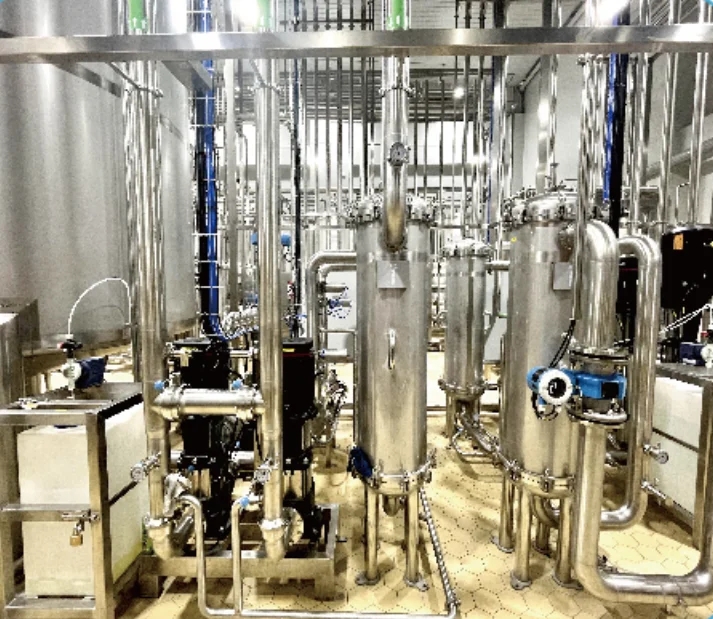
Understanding Precision Filtration
Precision filters are designed to remove fine particles, microorganisms, and suspended solids from liquids with high accuracy. Unlike conventional filtration systems that primarily target larger contaminants, precision filters operate at micron or even sub-micron levels.
These systems typically use filter elements such as:
-
Melt-blown cartridges
-
Pleated membrane filters
-
Stainless steel filter housings
-
Multi-layer composite filtration media
Depending on the application, filtration accuracy can range from 50 microns down to 0.1 microns or lower. This level of control is critical in industries where even microscopic impurities can compromise safety or performance.
Why Contamination Control Matters
Contamination in liquid systems can originate from multiple sources, including raw water, processing equipment, pipelines, and even the surrounding environment. If not properly managed, it can lead to:
-
Product spoilage
-
Reduced shelf life
-
Equipment fouling and corrosion
-
Increased maintenance costs
-
Regulatory non-compliance
In beverage production, for example, microbial contamination can ruin entire batches. In water treatment systems, suspended particles can clog downstream equipment such as reverse osmosis membranes or UV sterilizers.
Precision filters act as a critical barrier, ensuring that contaminants are effectively removed before they can cause damage.
Key Applications of Precision Filters
1. Water Treatment Systems
Precision filters are widely used in pre-treatment and post-treatment stages of water purification. They help remove fine particles that pass through sand filters or activated carbon systems, ensuring that downstream processes operate efficiently.
In high-purity applications such as bottled water production, precision filtration is essential for meeting strict quality standards.
2. Beverage Processing
In the beverage industry, clarity and hygiene are non-negotiable. Precision filters are used to:
-
Remove yeast and bacteria
-
Improve product clarity
-
Stabilize flavor and appearance
-
Protect filling equipment
Whether producing juice, carbonated drinks, or mineral water, maintaining a contamination-free environment is crucial for consistent product quality.
3. Industrial Cleaning Systems
Precision filters also play a role in industrial cleaning solutions by ensuring that cleaning fluids remain free from particulates. This enhances cleaning efficiency and prevents recontamination during processes such as CIP (Clean-In-Place).
4. Packaging and Filling Lines
In high-speed filling lines, even minor contamination can disrupt operations. Precision filters help protect sensitive components such as valves, nozzles, and pumps, reducing downtime and maintenance requirements.
Integration into Smart Manufacturing Systems
As industries move toward automation and digitalization, filtration systems are no longer standalone units. They are integrated into intelligent production lines that monitor and optimize performance in real time.
Pengxiang Huixing has been at the forefront of this transformation. With over 20 years of experience in beverage packaging machinery, the company provides comprehensive solutions that combine:
-
Water treatment systems
-
PET blow molding equipment
-
Blow-fill-cap and blow-label-fill-cap production lines
-
Labeling and conveying systems
-
Secondary packaging equipment
Their approach goes beyond individual machines. By focusing on smart workshop and smart factory planning, they ensure that filtration systems are seamlessly integrated into the entire production workflow.
Engineering Advantages of Precision Filters
High Filtration Accuracy
Precision filters can achieve consistent and repeatable filtration performance, ensuring that even the smallest contaminants are removed.
Modular Design
Modern systems are designed for flexibility, allowing manufacturers to scale or modify filtration stages based on production needs.
Easy Maintenance
Cartridge-based designs make it simple to replace filter elements, minimizing downtime and labor costs.
Compatibility
Precision filters can be integrated with various upstream and downstream systems, including sterilization units and filling machines.
Case Integration: End-to-End Contamination Control
One of the key strengths of Pengxiang Huixing lies in its ability to deliver end-to-end solutions. Their systems cover the entire lifecycle of liquid production:
-
Raw material processing
-
Water purification
-
Beverage preparation
-
Filling and packaging
-
Storage and logistics
Within this ecosystem, precision filters serve as a critical control point at multiple stages.
For example:
-
In water treatment lines, they ensure feed water purity
-
In beverage processing, they maintain product consistency
-
In cleaning systems, they support hygienic operations
This holistic integration reduces the risk of contamination at every step, rather than relying on isolated solutions.
Compliance and Certification
In today’s global market, compliance with international standards is essential. Precision filtration systems must meet stringent requirements related to:
-
Food safety
-
Water quality
-
Equipment hygiene
Pengxiang Huixing’s products are certified under ISO9000 quality management systems and recognized as part of China’s high-tech enterprise sector. This reflects their commitment to quality, innovation, and continuous improvement.
Their equipment is widely used across more than 20 provinces in China and exported to countries including the UAE, Oman, Vietnam, the Philippines, and Malaysia.
Choosing the Right Precision Filter
Selecting the appropriate precision filter depends on several factors:
Filtration Requirements
-
Particle size to be removed
-
Flow rate
-
Pressure conditions
Application Type
-
Water treatment
-
Beverage production
-
Industrial cleaning
Material Compatibility
-
Chemical resistance
-
Temperature tolerance
System Integration
-
Compatibility with existing equipment
-
Automation requirements
Future Trends in Precision Filtration
As industries continue to evolve, precision filtration technology is also advancing. Key trends include:
Smart Monitoring
Sensors and IoT technologies are being integrated into filtration systems to monitor performance, detect clogging, and optimize maintenance schedules.
Sustainable Design
Energy-efficient systems and reusable filter materials are gaining popularity as companies focus on reducing environmental impact.
Higher Precision Levels
Demand for ultra-pure liquids is driving the development of filters capable of removing even smaller particles and microorganisms.
Customization
Manufacturers are increasingly seeking tailored solutions that match their specific production requirements.
Conclusion
Precision filters are more than just components in a filtration system—they are essential tools for ensuring product quality, operational efficiency, and regulatory compliance. In industries where contamination control is critical, their role cannot be overstated.
By integrating precision filtration into comprehensive production solutions, companies like Pengxiang Huixing are helping manufacturers achieve higher standards of performance and reliability. Their expertise in smart factory design and liquid packaging technology demonstrates how filtration can be seamlessly embedded into modern industrial ecosystems.
As the demand for cleaner, safer, and more efficient production continues to grow, precision filters will remain a cornerstone of contamination control strategies worldwide.