


In modern manufacturing and processing, the efficiency and longevity of equipment are directly influenced by the quality of inputs and operational conditions. One critical yet often overlooked factor is precision filtration. For industries ranging from beverage production to water treatment, precision filtration ensures that machinery operates optimally, maintenance costs are minimized, and end products meet stringent quality standards. Companies like Pengxiang Huixing, a leading integrated manufacturer of beverage packaging machinery in Shenzhen, have long recognized the pivotal role of filtration in high-performance equipment.
Understanding Precision Filtration
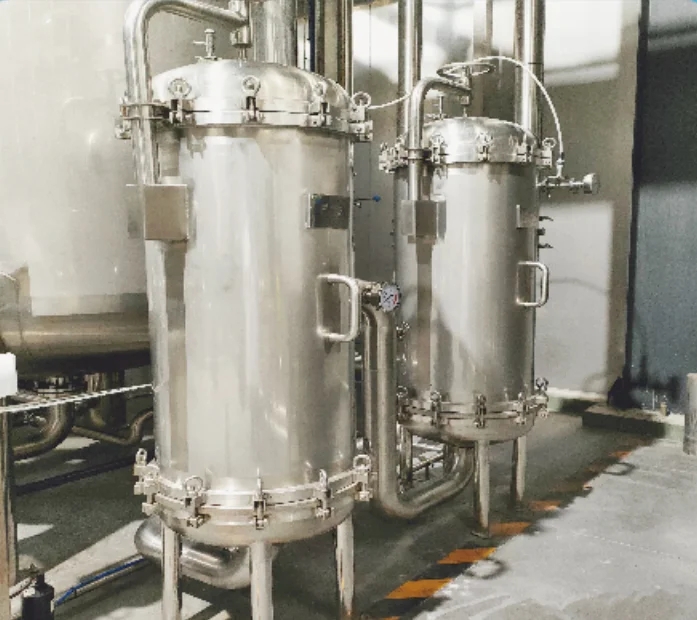
Precision filtration refers to the process of removing fine particles, impurities, and contaminants from liquids or gases before they enter sensitive machinery. Unlike coarse filtration, which eliminates large particles, precision filters target microscopic impurities that can cause wear, clogging, or contamination in production lines. In sectors such as beverage processing, where water quality, juice clarity, and cleanliness are crucial, precision filtration is not optional—it is essential.
For example, in a PET bottle blow molding and filling production line, any residual particles in the water or syrup can damage nozzles, valves, and pumps, leading to unplanned downtime. Precision filtration ensures that every drop of water, syrup, or carbonated liquid is free from contaminants, protecting the machinery and ensuring consistent product quality.
Protecting Equipment Longevity
High-performance equipment such as bottling, filling, and capping machines are built for speed, efficiency, and reliability. However, even the most advanced machines are vulnerable to contamination from fine particles in water, raw materials, or cleaning fluids. Precision filters serve as a first line of defense, capturing impurities before they reach critical components.
A single clog or abrasive particle can accelerate wear on sensitive parts, leading to premature failures and costly repairs. By implementing a robust filtration system, manufacturers can:
-
Reduce unplanned downtime
-
Extend the service life of pumps, valves, and seals
-
Maintain consistent operational efficiency
For companies like Pengxiang Huixing, which provides full-scale beverage production lines, integrating precision filtration into the production process ensures that their clients’ investment in high-performance equipment is fully protected.
Ensuring Product Quality
Precision filtration doesn’t just safeguard machines—it also protects the quality of the final product. In beverage production, clarity, taste, and safety are non-negotiable. Any contamination, whether from microscopic sediment in water or particulate matter in syrups and juices, can compromise product consistency.
For instance, in the production of fruit juices, even minor impurities can affect color, taste, and shelf life. Precision filtration removes these contaminants at every stage, ensuring that the final beverage meets both regulatory standards and consumer expectations.
Companies that integrate precision filtration in their operations are able to maintain:
-
Consistent product clarity and taste
-
Compliance with ISO9000 and other quality management standards
-
Confidence in large-scale automated production lines
This is particularly critical for Pengxiang Huixing’s clients, who rely on their equipment to produce beverages efficiently and safely from raw materials to packaged products.
Enhancing Operational Efficiency
Beyond product quality and equipment longevity, precision filtration contributes to overall operational efficiency. Clean fluids reduce the frequency of maintenance cycles, lower energy consumption, and decrease the risk of contamination-related shutdowns.
Consider the scenario of a carbonated beverage production line. Impurities in CO₂, water, or syrups can disrupt flow meters, create foam inconsistencies, and affect carbonation levels. Precision filters remove these risks, allowing machines to run smoothly at full capacity.
Moreover, precision filtration can improve cleaning processes within automated production lines. When combined with smart cleaning systems and automated CIP (clean-in-place) setups, filters ensure that cleaning solutions themselves are free from particulate contamination, enhancing the efficacy of sterilization and cleaning procedures.
The Role of Precision Filtration in Smart Factories
As manufacturing evolves, the concept of the “smart factory” is becoming increasingly relevant. Smart factories rely on high-precision equipment, real-time monitoring, and automation to optimize production. In such environments, precision filtration plays a crucial role.
Filtered water, syrups, and other fluids help maintain the stability and accuracy of sensors, automated filling valves, and robotic handling systems. By preventing blockages and contamination, filters reduce the risk of operational errors and enable predictive maintenance strategies.
Pengxiang Huixing specializes in designing smart workshops and intelligent factories for beverage production. Their systems integrate precision filtration at key points in the production process, ensuring that high-performance equipment can operate continuously and efficiently without compromising product quality.
Selecting the Right Precision Filtration System
Choosing the appropriate filtration system depends on the type of fluid, particle size, flow rate, and production requirements. Common types of precision filters in the beverage and water treatment industries include:
-
Micron filters: Capture particles as small as a few microns, suitable for syrup, water, and juice.
-
Activated carbon filters: Remove taste, odor, and chemical contaminants from water.
-
Membrane filters: Used in reverse osmosis systems to eliminate dissolved solids.
When selecting a filter, manufacturers should consider the total capacity of the production line and the critical points where contamination could cause equipment or product failures. Investing in high-quality filters ensures long-term operational reliability and protects sensitive production assets.
For businesses interested in advanced solutions, precision filtration systems from Pengxiang Huixing offer a proven approach to safeguarding both machinery and product integrity. Their systems are designed to meet the diverse needs of beverage and liquid processing lines, from initial water treatment to final bottling.
Case Study: Beverage Production Line
In a typical beverage production line operated by a commercial client, precision filtration has proven indispensable. Before implementation, the client experienced frequent nozzle clogs and inconsistent juice clarity. After integrating high-quality filtration systems:
-
Equipment downtime decreased by 40%
-
Maintenance costs dropped by 30%
-
Product quality improved, with consistent clarity and taste
This example illustrates that precision filtration is not merely an accessory but a fundamental component of high-performance production environments.
Conclusion
Precision filtration is essential for industries that rely on high-performance equipment, particularly in beverage production and water treatment. By removing fine particles and impurities, filtration protects equipment longevity, ensures product quality, enhances operational efficiency, and supports smart factory operations. Companies like Pengxiang Huixing exemplify how integrating advanced filtration systems into production lines provides tangible benefits, allowing manufacturers to maintain a competitive edge in a demanding market.
Investing in precision filtration is more than an operational decision—it is a strategic move that safeguards machinery, guarantees product excellence, and supports sustainable, efficient manufacturing.