


Water quality plays a critical role in industries ranging from beverage production to pharmaceutical processing. Whether it is used as a raw ingredient, a cleaning medium, or part of a cooling system, water must meet strict purity standards to ensure product quality and operational stability. Among the many filtration technologies available today, activated carbon filtration remains one of the most widely used and reliable methods for removing unwanted contaminants from water and other liquids.
Activated carbon filters are valued for their high adsorption capacity, cost-effectiveness, and versatility. They are commonly used in residential water purification systems, municipal treatment facilities, food and beverage production lines, and industrial process systems. As global demand for cleaner water continues to grow, understanding what activated carbon filters remove and how they function becomes increasingly important for manufacturers and end users alike.
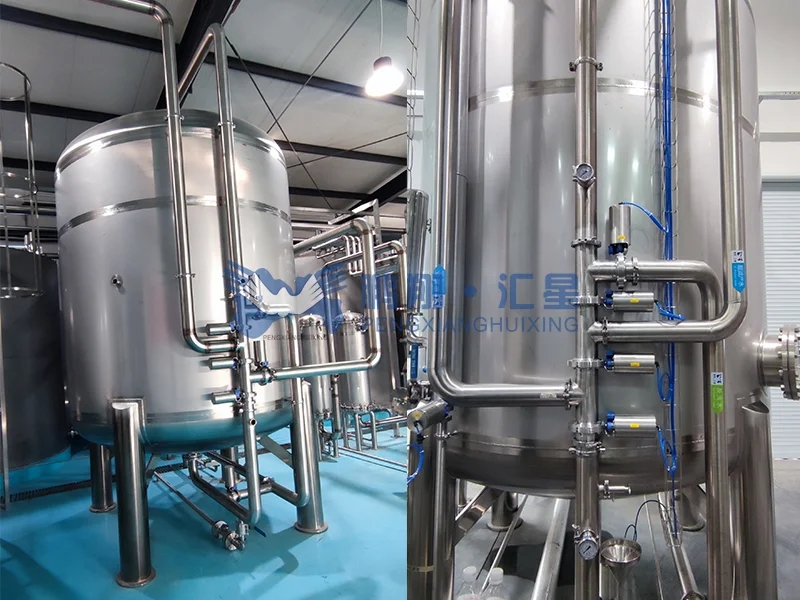
What Are Activated Carbon Filters?
Activated carbon filters use specially processed carbon materials with an extremely porous structure. These pores create a vast internal surface area capable of adsorbing contaminants from liquids and gases. Unlike mechanical filtration that physically traps particles, activated carbon works mainly through adsorption, where contaminants adhere to the carbon surface.
The two most common forms are:
-
Granular Activated Carbon (GAC)
-
Powdered Activated Carbon (PAC)
Activated carbon can be produced from materials such as coconut shells, coal, wood, or peat. Coconut shell-based activated carbon is especially popular in beverage and drinking water applications due to its high hardness and excellent micropore structure.
Chlorine Removal
One of the primary uses of activated carbon filters is the removal of chlorine. Municipal water supplies commonly use chlorine as a disinfectant to eliminate harmful microorganisms. While effective for sanitation, residual chlorine can negatively impact taste, odor, and industrial production processes.
In beverage manufacturing, chlorine may alter flavor profiles and interfere with sensitive ingredients. In industrial applications, chlorine can also damage membranes used in reverse osmosis systems.
Activated carbon removes chlorine through a catalytic reduction process, converting chlorine into harmless chloride ions. This significantly improves water taste and protects downstream equipment.
Removal of Volatile Organic Compounds (VOCs)
Volatile Organic Compounds are among the most concerning contaminants in water systems. VOCs originate from industrial chemicals, pesticides, solvents, fuel residues, and manufacturing byproducts. Common VOCs include:
-
Benzene
-
Toluene
-
Xylene
-
Trichloroethylene
Long-term exposure to VOCs may pose environmental and health risks. Activated carbon is highly effective at adsorbing many organic compounds because of its extensive surface area and chemical affinity for carbon-based molecules.
Industries that rely on purified water, especially food and beverage manufacturers, often incorporate activated carbon systems to reduce VOC levels and maintain production safety.
Odor and Taste Improvement
Unpleasant odors and tastes in water are often caused by dissolved organic compounds, chlorine, algae byproducts, or sulfur-containing substances. Activated carbon filters excel at removing these impurities, making them essential in drinking water and beverage applications.
For bottled water producers and soft drink manufacturers, maintaining consistent taste quality is critical. Even slight odor variations can affect consumer perception. Activated carbon filtration helps ensure clean, neutral-tasting process water that meets strict sensory standards.
Companies like Pengxiang Huixing understand the importance of integrated water treatment systems in beverage production. Their expertise in water treatment, beverage preprocessing systems, and intelligent factory planning supports manufacturers seeking efficient and stable liquid processing solutions.
Removal of Sediment and Suspended Particles
Although activated carbon is primarily known for adsorption, many activated carbon filters also provide mechanical filtration. They can help reduce:
-
Sediment
-
Rust particles
-
Sand
-
Silt
-
Suspended solids
These contaminants may not always pose direct health risks, but they can damage pumps, valves, and filling systems. In industrial production environments, excessive particulate matter can reduce equipment lifespan and increase maintenance costs.
Modern filtration systems often combine activated carbon with multi-stage pretreatment technologies for enhanced protection.
Elimination of Pesticides and Herbicides
Agricultural runoff is a major source of water contamination worldwide. Pesticides and herbicides can enter groundwater and surface water supplies, creating concerns for both environmental safety and industrial use.
Activated carbon has proven highly effective in removing many agricultural chemicals due to its adsorption properties. This makes it particularly valuable in food processing, bottled beverage manufacturing, and municipal water treatment facilities.
For companies operating complete beverage production lines, ensuring incoming water purity is essential for product safety and regulatory compliance.
Reduction of Industrial Chemicals
Industrial wastewater and contaminated water sources may contain synthetic chemicals from manufacturing activities. Activated carbon filters can help remove various industrial contaminants, including:
-
Phenols
-
Detergents
-
Dyes
-
Solvents
-
Hydrocarbons
In industrial environments, water treatment systems must often handle complex contaminant mixtures while maintaining high operational efficiency. Integrated treatment solutions combining activated carbon, reverse osmosis, sterilization, and automated cleaning systems are increasingly common in modern smart factories.
Heavy Metal Reduction
Activated carbon is not typically the primary technology for heavy metal removal, but specially modified activated carbon filters can help reduce certain metals, including:
-
Lead
-
Mercury
-
Copper
-
Nickel
In many applications, activated carbon works alongside ion exchange systems or membrane filtration technologies to achieve stricter water quality requirements.
Industrial beverage production facilities often use multi-stage treatment systems to ensure water consistency throughout the entire manufacturing process.
Removal of Chloramines
Some municipal water systems use chloramines instead of chlorine for disinfection. Chloramines are more stable and remain in water longer, but they are more difficult to remove.
Special catalytic activated carbon filters are designed specifically to break down chloramines efficiently. This is especially important in industries where water purity directly affects product quality and equipment reliability.
Applications in Beverage and Industrial Production
Activated carbon filtration is widely used in:
-
Bottled water production
-
Carbonated beverage manufacturing
-
Juice processing
-
Dairy processing
-
Brewing systems
-
Pharmaceutical production
-
Electronics manufacturing
As a comprehensive beverage packaging machinery manufacturer, Pengxiang Huixing provides water treatment production lines, sterilization systems, automated cleaning systems, and filling equipment designed to support modern beverage production.
Over the past 20 years, the company has continuously introduced advanced beverage packaging technologies while focusing on innovation and intelligent manufacturing. Their solutions cover the entire production chain, from water treatment and bottle blowing to filling, labeling, packaging, warehousing, and logistics.
With ISO9000 certification and recognition as a Chinese high-tech enterprise, the company has supplied equipment to customers across more than 20 Chinese provinces and multiple international markets including the UAE, Oman, Vietnam, Malaysia, and the Philippines.
Importance of Proper Filter Maintenance
Even the best activated carbon filter requires regular maintenance to remain effective. Over time, adsorption sites become saturated, reducing filtration performance. Poorly maintained filters may even release trapped contaminants back into the water stream.
Key maintenance practices include:
-
Regular filter replacement
-
Monitoring pressure differentials
-
Periodic system cleaning
-
Water quality testing
-
Scheduled equipment inspections
Industrial systems often include automated monitoring and cleaning functions to improve reliability and reduce downtime.
Choosing the Right Activated Carbon System
Selecting the correct activated carbon filter depends on several factors:
Water Quality
The type and concentration of contaminants determine the required filter design.
Flow Rate
Industrial applications require systems capable of handling large volumes efficiently.
Contact Time
Longer contact times improve adsorption effectiveness.
Carbon Type
Different activated carbon materials perform better for specific contaminants.
Integration Requirements
Many facilities require activated carbon systems to work seamlessly with reverse osmosis units, sterilization equipment, and automated production lines.
For beverage manufacturers, integrated engineering support is often as important as the filtration equipment itself.
Future Trends in Activated Carbon Filtration
As environmental regulations become stricter and consumers demand higher product quality, activated carbon filtration technology continues to evolve. Key trends include:
-
Smart monitoring systems
-
Automated cleaning technologies
-
High-efficiency catalytic carbon
-
Energy-efficient filtration designs
-
Integrated intelligent factory solutions
Modern manufacturing facilities increasingly rely on intelligent production systems that combine water treatment, filling, packaging, and logistics into fully coordinated operations.
Conclusion
Activated carbon filters remain one of the most effective and versatile solutions for removing contaminants from water and industrial liquids. From chlorine and VOCs to odors, pesticides, and industrial chemicals, these systems play a vital role in ensuring water purity, protecting equipment, and maintaining product quality.
For industries such as beverage manufacturing, reliable water treatment is the foundation of efficient and safe production. Companies like Pengxiang Huixing continue to advance integrated water treatment and beverage packaging technologies, helping global customers achieve higher production standards through intelligent engineering and innovative manufacturing solutions.